Austrian Advent Calendar Day 19
Hello, dear friends, and happy Advent!
How could we journey through the symbols of Austrian culture without pausing to speak of Sissi—Empress Elisabeth of Austria, one of the most discussed consorts in European history and probably one of the most persistently misunderstood? So many legends have obscured the reality of her life that separating fact from fairy tale has become nearly impossible. Yet because she was a nineteenth-century icon rather than a medieval figure, we possess far more documentation: photographs, letters, journal entries, contemporary accounts. Even so, the storylines rarely align. Everyone who encountered her seemed to see a different woman.
I wanted to experience both the fairy tale and the facts, so I chose two very different books on the subject.
Brigitte Hamann’s The Reluctant Empress, which I experienced in French translation, is an extensive and meticulously researched biography. Written in 1982, it remains today one of the most complete and objective accounts of Elisabeth’s life, and you can feel that thoroughness on every page. Hamann provides both the polished public image and the complicated private reality. You read passages from the Empress’s correspondence and personal journals, as well as observations from her contemporaries—courtiers, family members, political figures, servants.
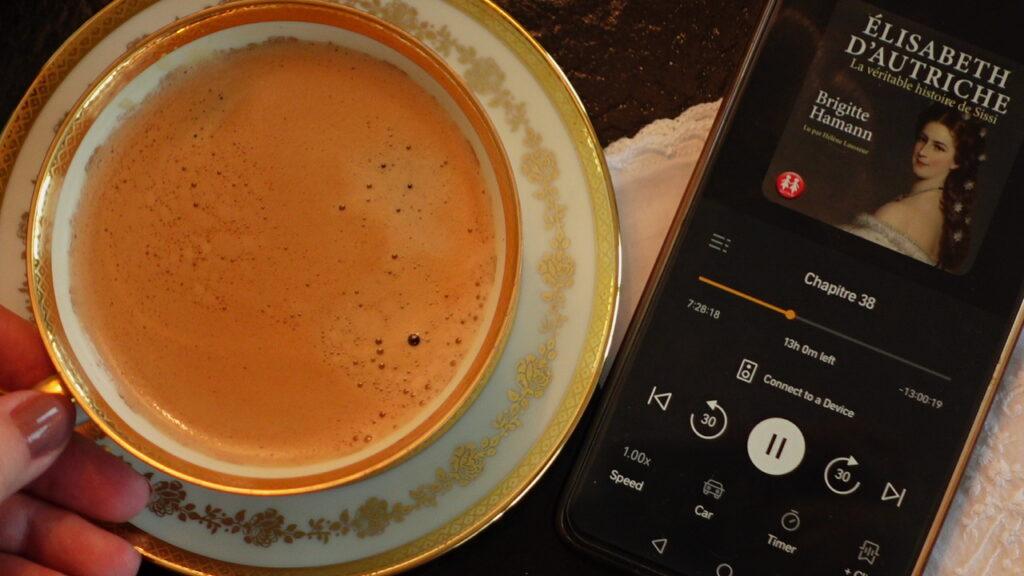
This is where I found myself most surprised: the enormous discrepancies between how Elisabeth felt and how others perceived her are genuinely astonishing. She experienced herself as trapped, suffocating under protocol and expectation, increasingly desperate for freedom and solitude. Yet to many observers, she appeared merely eccentric, vain, or difficult—a beautiful woman squandering extraordinary privilege through stubbornness and moodiness. You definitely sense that she was utterly unprepared for the role she stepped into at sixteen, and unfortunately, the extraordinary love-at-first-sight passion that brought her to that position proved insufficient to overcome the obstacles she would face. The fairy-tale romance that began their marriage couldn’t sustain itself against the realities of court life, political duty, and profound temperamental incompatibility with her formidable mother-in-law, Archduchess Sophie.
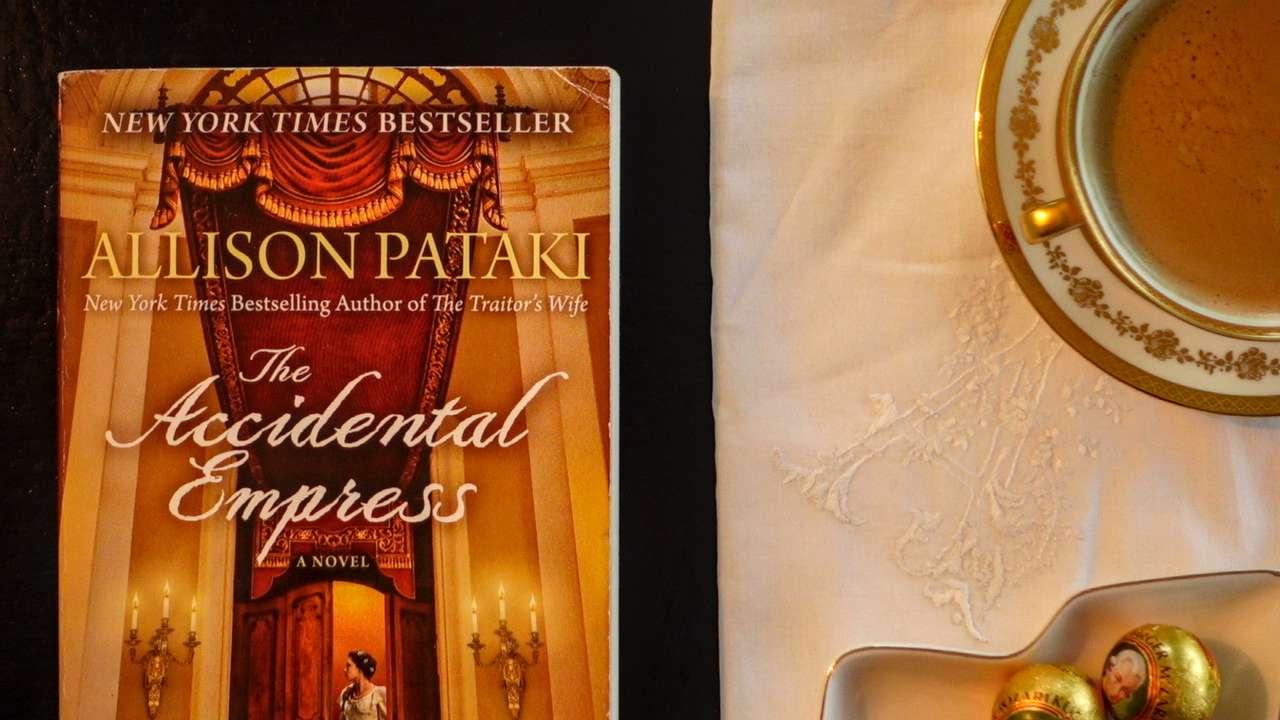
And speaking of love stories, my second choice was historical fiction bordering on romance: The Accidental Empress by Allison Pataki. This is a light read of historical inspiration, heavily focused on the first encounter between fifteen-year-old Elisabeth and her cousin, the young Emperor Franz Joseph, and their unexpected, overwhelming passion—as well as the radical transformation in their relationship once the romance of courtship gave way to the realities of marriage.
We all know how things ended (if you don’t, I’d suggest starting with Hamann’s biography first), but if you’re looking for a quick, engaging read and a simplified version of a complex situation, this can be entertaining. I can also imagine it serving as a gateway text for younger readers—a well-told love story often provides the best incentive for sparking lasting interest in history. Once you care about the people, you want to understand the world they inhabited.
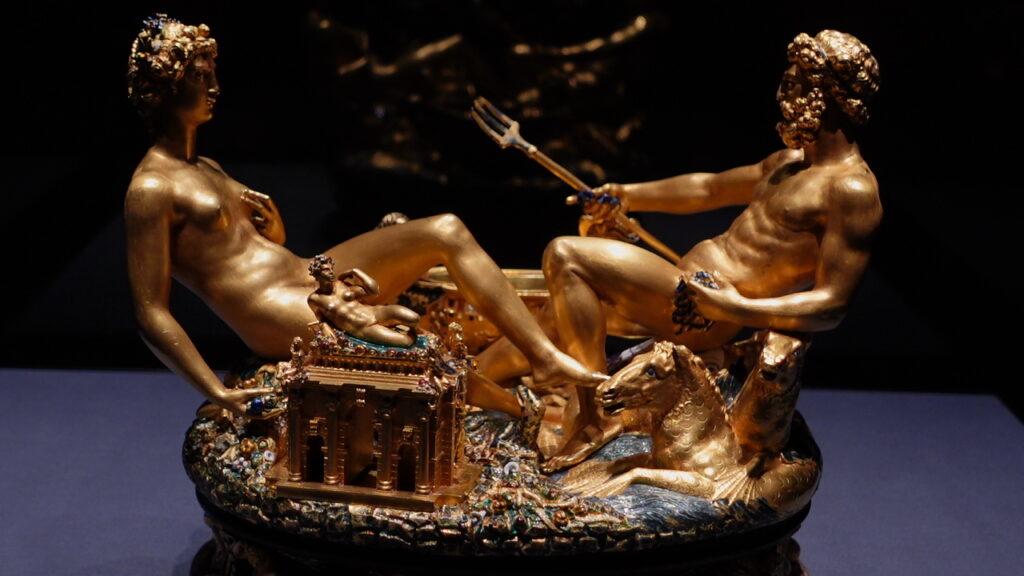
As for me, I went searching in Vienna for the splendors of the Empire—the beauty and magnificence that should have been enough to make young Sissi proud of sitting on that throne, yet somehow weren’t. I found them at the Kunsthistorisches Museum, often referred to simply as the Museum of Fine Arts. This is one of the most important museums in the world, built between 1871 and 1891 on commission from Emperor Franz Joseph specifically to house the formidable art collection the Habsburgs had accumulated across centuries.
With a remarkable picture gallery featuring works by Bruegel, Vermeer, Velázquez, and Caravaggio, plus extensive Egyptian, Greek, and Roman antiquities, this is the kind of museum that deserves a full week of your attention. What interested me most during this brief Viennese stay, however, was the decorative arts department. Objects made to be used or admired—furniture, tableware, jewelry, textiles, instruments—often reflect a more faithful image of beauty ideals in each era than paintings or sculpture do. These are the things people lived with daily, the aesthetic choices that shaped their intimate environments.
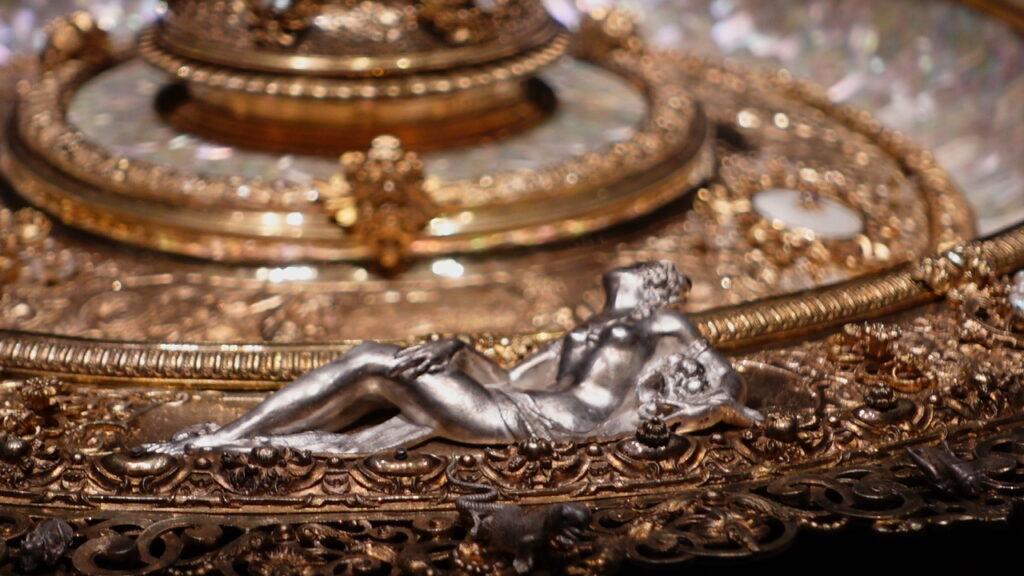
So in choosing to focus on the beautiful world that surrounded the Empress—even if it couldn’t make her happy—I contemplated exceptional artwork and exquisite craftsmanship at the Kunsthistorisches. Crystal that catches light like captured water. Porcelain painted with impossible delicacy. Silver worked into forms so elaborate they seem like frozen lace. Gold and enamel shaped into objects both functional and fantastical.
All of this beauty, all of this wealth, all of this carefully cultivated splendor—and it wasn’t enough. Elisabeth wanted something else: freedom, movement, poetry, solitude, her own thoughts and her own time. The tragedy isn’t that she was ungrateful, but that what she needed was the one thing an empress could never have.
Until tomorrow, dear friends—enjoy your reading, whether historical or fictional, light or lost in thought. And perhaps spare a moment’s sympathy for those who had everything except what they actually wanted.
Reading Recommendations :
Non-Fiction:
- The Reluctant Empress: A Biography of Empress Elisabeth of Austria by Brigitte Hamann | Comprehensive, thoroughly researched, objective | The definitive biography, first published in German in 1982 | Available in multiple translations
🇺🇸 World of Books | 🇬🇧 World of Books | 🇫🇷 Momox Shop
A short note on how and why I share book links
Historical Fiction:
- The Accidental Empress by Allison Pataki | Light historical romance focused on Elisabeth’s early years | Accessible introduction to the story | Good gateway for younger or casual readers
🇺🇸 World of Books | 🇬🇧 World of Books | 🇫🇷 Momox Shop
A short note on how and why I share book links
In Vienna:
- Kunsthistorisches Museum – Maria-Theresien-Platz, Vienna One of the world’s great art museums Habsburg art collection spanning centuries Exceptional decorative arts department Allow multiple days to explore properly
- Sisi Museum – Hofburg Palace, Vienna Dedicated to Empress Elisabeth’s life Personal belongings, correspondence, portraits Provides intimate glimpse of her daily life

Written by Alexandra Poppy
Writer, reader & curator of The Ritual of Reading
I’m Alexandra, the voice behind The Ritual of Reading. Somewhere between a stack of novels and a half-finished pot of tea, I keep finding traces of the life I want to live—slower, richer, filled with stories. The Ritual of Reading is where I gather what I love: books that linger, places with a past, and rituals that make ordinary days feel a little more meaningful. I write from Paris, where elegant bookshops and old-fashioned cafés offer endless inspiration—and I share it here, hoping it brings a spark to your own days, too.