
Belgian Advent Calendar – Day 11
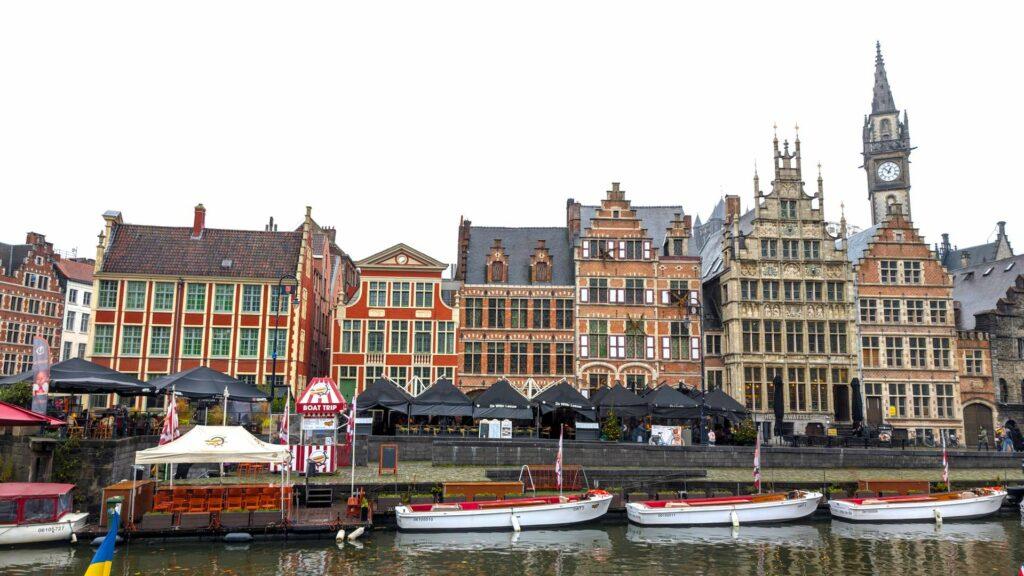
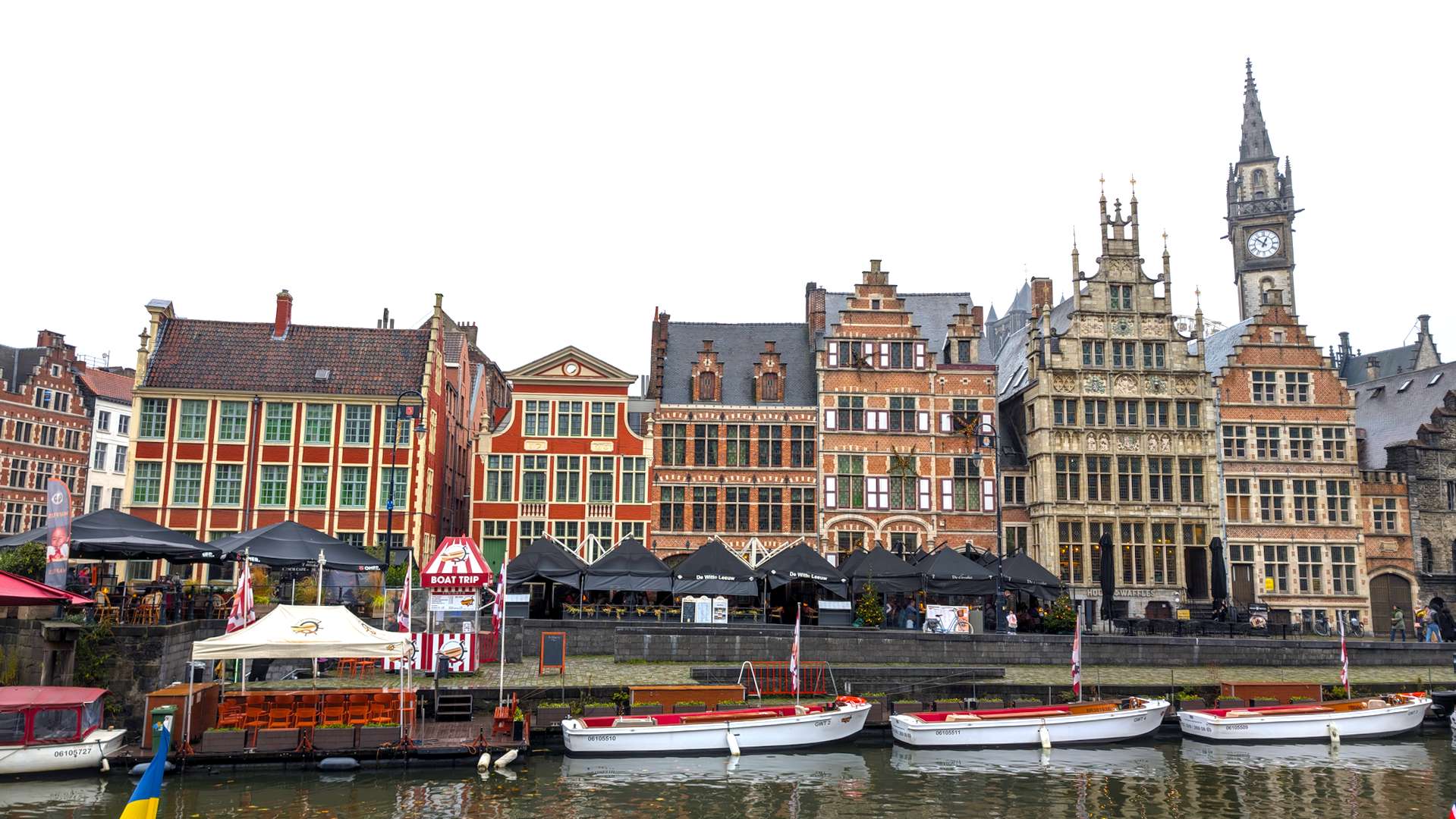
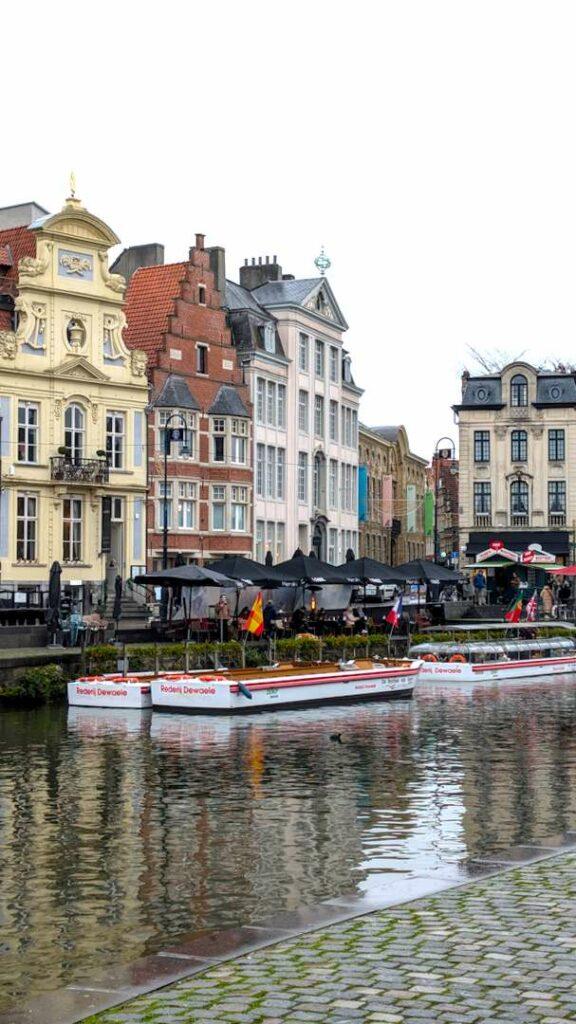
There’s a particular quality to Belgian light in winter—filtered grey, soft-edged, the kind that turns medieval stone into something out of a novel. I experienced this firsthand as our boat glided through Ghent’s canals, the drizzle so fine it felt more like atmosphere than actual rain, and I understood immediately why this city has inspired artists for centuries.
Ghent is Belgium’s best-kept secret, often overshadowed by Bruges’ postcard perfection or Brussels’ grand European ambitions. But those who know, know. This is a city that doesn’t perform its beauty—it simply exists in it, effortlessly elegant, a living medieval manuscript where every corner reveals another illuminated detail. The locals seem to understand this too. Even the water cleaning crew I passed on Graslei offered warm smiles and cheerful good morning, as if they were in on the secret that they live in one of Europe’s most enchanting cities.
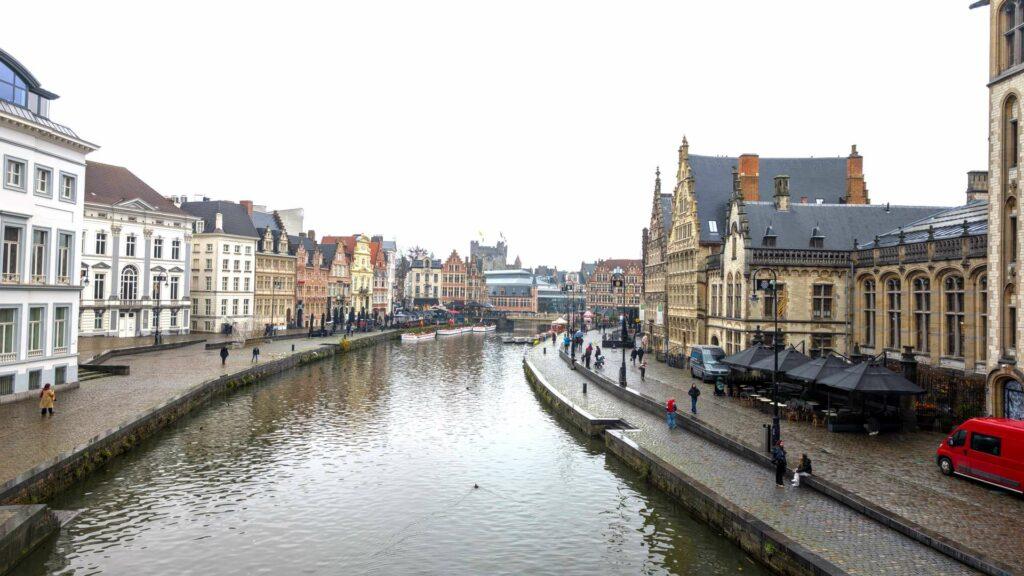
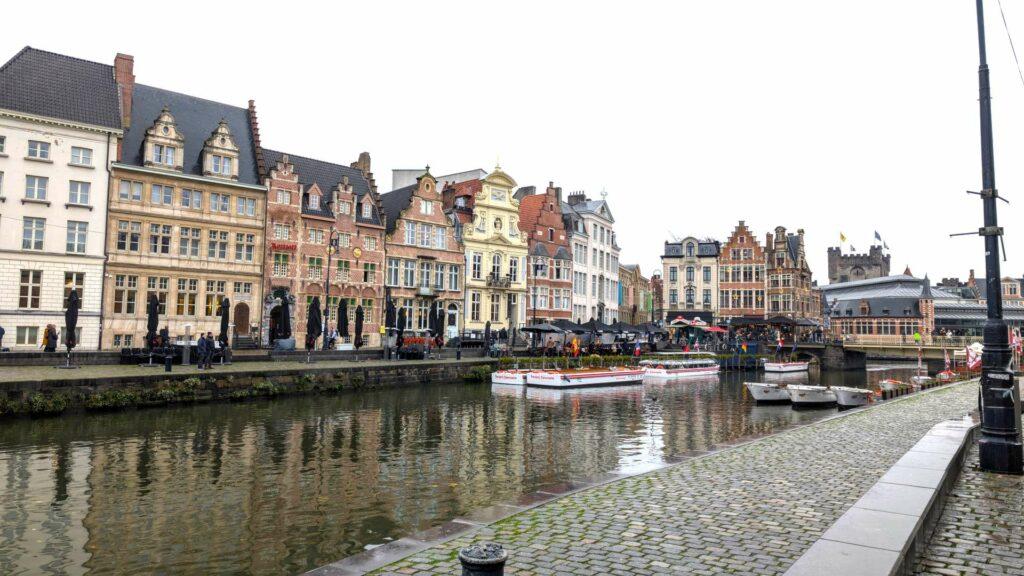
From the water, Ghent reveals itself in layers. The Castle of the Counts rises with imposing grey stone walls that have stood since 1180, when Philip of Alsace built it as both fortress and statement of power. Our boat paused here, and I could almost hear the echo of medieval footsteps on those ramparts, the clang of armor, the rustle of heavy robes. This was the seat of the Counts of Flanders, who ruled over one of medieval Europe’s wealthiest territories, grown rich on the wool and cloth trade that made Ghent a power to rival Paris itself.
But Ghent has always been a city of contradictions—wealthy yet rebellious, refined yet fiercely independent. In the 14th century, its weavers and merchants stood up to the Count himself, and later, the entire city defied Holy Roman Emperor Charles V (who was actually born here, which must have stung a bit). This is a place that knows its own worth and doesn’t bow easily to anyone.
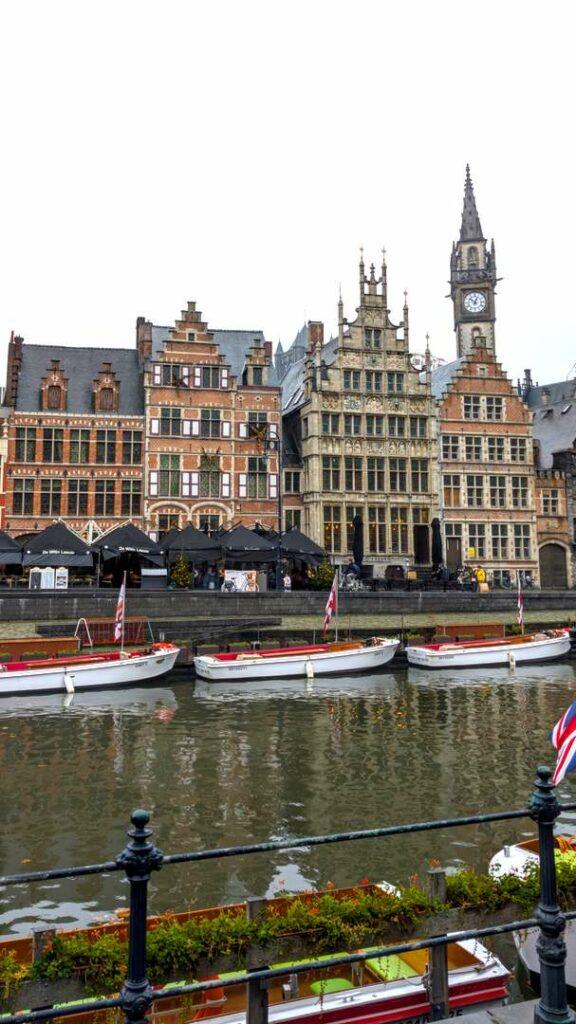
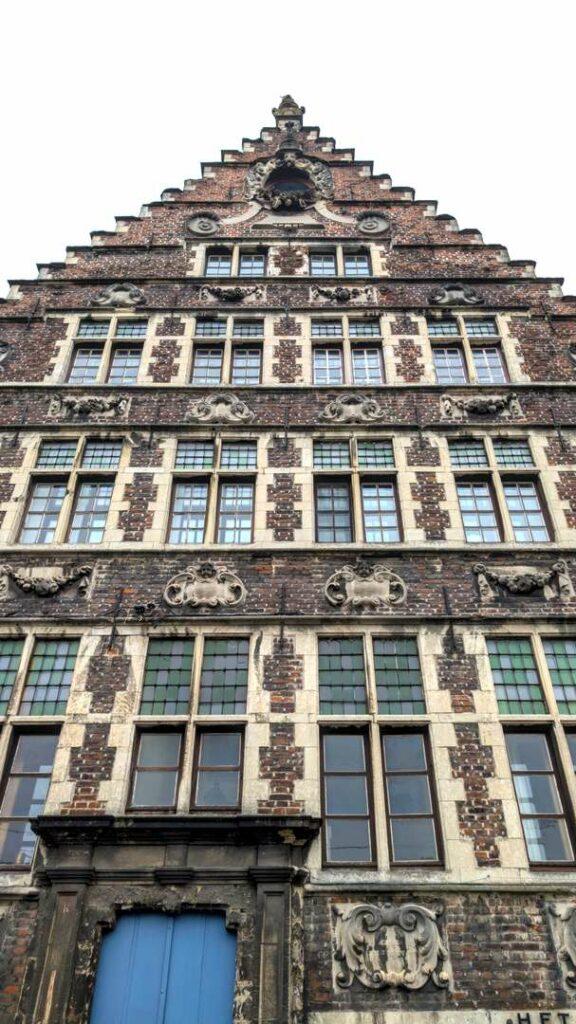
The cityscape from the canals is a living history lesson. The three towers that define Ghent’s skyline—Saint Nicholas Church, the Belfry, and Saint Bavo’s Cathedral—stand in perfect alignment, each one a different century speaking to the others across time. The guild houses along Graslei and Korenlei lean toward each other like old friends sharing centuries-old gossip, their facades reflected in water that’s carried merchant ships and fishing boats and now tourist vessels like mine.
Even in the grey drizzle, or perhaps especially in it, Ghent felt like a Hallmark movie set—but one with actual soul, actual history seeping from every cobblestone. The shop windows glowed warm against the November damp, displaying handmade lace, vintage postcards and spectacular glassware.
This city got under my skin in the best way. So when I returned home, still carrying Ghent in my bones, I knew I needed to extend the visit somehow, to hold onto it a little longer. The answer, as it so often is, was food.
Every Belgian city has its signature dish, and Ghent’s is waterzooi—a name that sounds exactly like what it is: water that’s been transformed into something magical. The word itself comes from the Flemish “zooien,” meaning to boil, but that humble verb doesn’t do justice to what happens in the pot.Traditional waterzooi began centuries ago as a fisherman’s stew, made with whatever fish the day’s catch brought from the Leie River—pike, perch, eel. The fish would simmer in a creamy broth thickened with egg yolks and cream, served with vegetables and potatoes, warming the hands and hearts of Ghent’s working class. But sometime in the late 19th century, the river fish became scarcer, and the practical Gentenaars did what practical people do—they adapted. Chicken replaced fish, and the dish transformed while keeping its soul intact. Now, when you order waterzooi in Ghent, it’s almost always chicken you’ll receive, though a few old-guard restaurants still offer the original fish version.

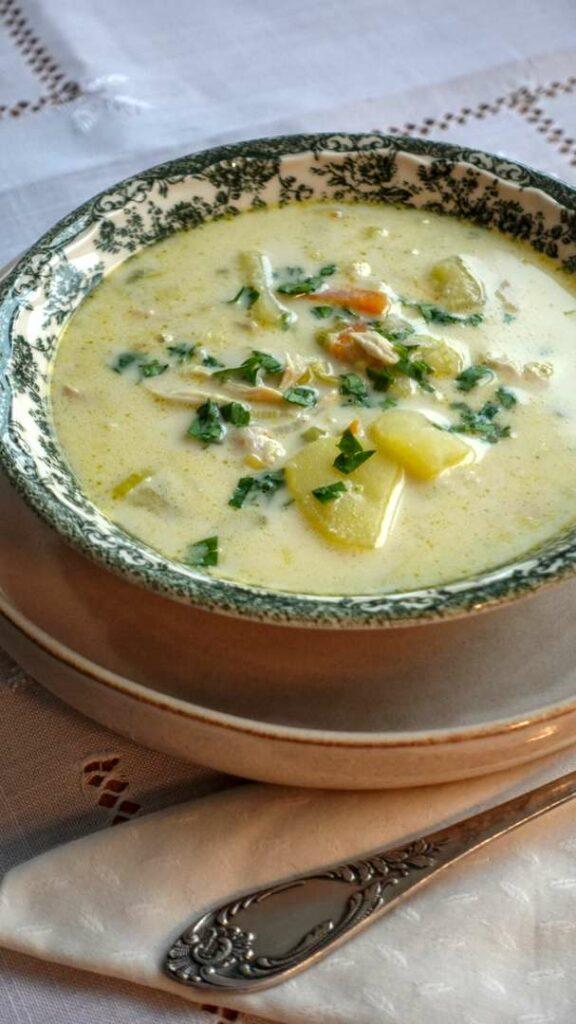

I decided to honor both tradition and celebration by making my waterzooi with coquelet—a young cockerel, tender and flavorful, the kind of ingredient that turns a weeknight supper into an occasion. For four people, one coquelet is perfect—intimate enough for a special dinner, luxurious enough to feel like something grand is happening in your kitchen.
The process is as soothing as that boat ride through Ghent’s canals. First, the stock: the cockerel simmers with leeks, celery, carrots, and aromatics. The broth becomes rich and golden, infused with everything good about Belgian comfort food. The vegetables soften into sweetness, the meat becomes impossibly tender, and your kitchen fills with the kind of aroma that makes you understand why people write poems about home.
Then you start all over again : still carrots, leeks and celery, but this time carefully chopped, ready to combine with the succulent meat that you’ve deboned in a ritual that only real lovers of food can understand.
Then comes the finish—egg yolks whisked with cream, tempered carefully into the hot broth, turning everything silky and luscious. It’s a technique that requires attention, a steady hand, the kind of cooking that won’t be rushed. Very Belgian, really. Very Ghent.
As I stirred the pot, watching the cream swirl into gold, I thought about those medieval merchants and modern street cleaners, about castles reflected in canal water, about a city that’s weathered centuries without losing its grace. Waterzooi tastes like all of that somehow—rich but not heavy, comforting but refined, the kind of dish that knows exactly what it is and doesn’t apologize for it.
Have you ever fallen for a city in the rain? Tell me about it in the comments—I want to hear about the places that got under your skin when the weather could have kept you indoors, but the magic was too strong. And if the recipes got your attention, you’ll find my version of it in the Reader’s Table section by clicking HERE.
Until tomorrow, Merry Advent, friends !

During the 2025 Advent season, each post on The Ritual of Reading was accompanied by a Daily Advent Letter, sent privately to subscribers. These letters echo the theme of the article, but take a more personal and reflective path — closer to the hesitations, intuitions, and emotions that accompanied the writing.
What follows is the Daily Advent Letter that was written alongside this post.
| December 11th |
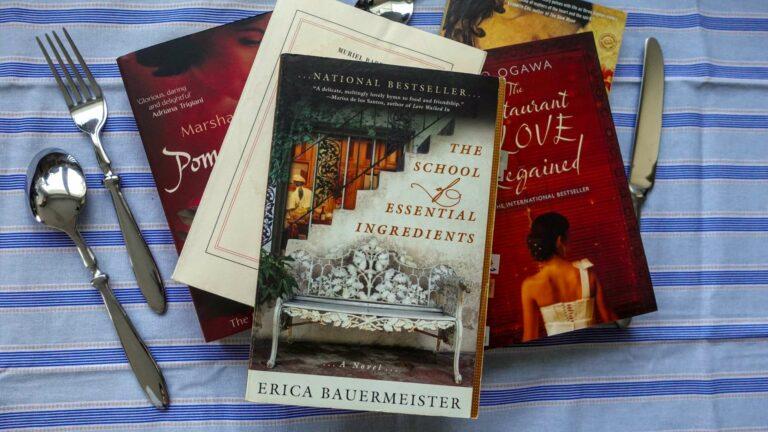
| Dear Friend, There’s a moment in every recipe when the kitchen stops being just a kitchen. It’s usually when the butter hits the pan, or when the first aromatics start to release their scent. Suddenly, you’re not just cooking—you’re somewhere else entirely. A medieval city with canal water lapping at stone walls. A grandmother’s kitchen in Provence. A street market in Mumbai at dawn. Today, as cream swirled into golden broth and my apartment filled with the scent of waterzooi, I wasn’t in my kitchen at all. I was back on that boat in Ghent, watching the grey drizzle soften the edges of centuries-old buildings. This is what cooking does that we don’t talk about enough: it works on the imagination exactly the way a good book does. Both require you to slow down, to follow instructions someone else carefully laid out. Both transform raw materials—words, ingredients—into something that transcends the sum of its parts. Both carry culture and memory and place in forms we can actually taste, actually inhabit for a while. When I read, I travel. When I cook, I stay there longer. There’s something about the physical labor of chopping, stirring, tasting that anchors the experience in your body in a way reading alone can’t quite manage. You carry these places forward in muscle and scent and flavor, not just in mental images. This is why the Reader’s Table section on my website keeps growing—because the best books make you hungry for more than just the next chapter. They make you hungry for the world they describe. And sometimes, the closest we can get to walking into a novel is to cook our way into it. The holidays are coming, which means tables will be set and someone will ask what to make. If you’re looking for inspiration—if you want to try traveling through your kitchen this season—the Reader’s Table has recipes inspired by beloved books. Maybe you’ll find something that speaks to a story you love, or maybe a recipe will lead you to a book you haven’t read yet. Because in the end, both reading and cooking are acts of attention. Acts of choosing to slow down long enough to really taste something, really inhabit it. What dishes transport you and where ? You can reply to this email and tell me all about it, I promise I read every message. Until tomorrow, Alexandra |

Written by Alexandra Poppy
Writer, reader & curator of The Ritual of Reading
I’m Alexandra, the voice behind The Ritual of Reading. Somewhere between a stack of novels and a half-finished pot of tea, I keep finding traces of the life I want to live—slower, richer, filled with stories. The Ritual of Reading is where I gather what I love: books that linger, places with a past, and rituals that make ordinary days feel a little more meaningful. I write from Paris, where elegant bookshops and old-fashioned cafés offer endless inspiration—and I share it here, hoping it brings a spark to your own days, too.