
Scandinavian Advent Calendar Day 7

Mulled wine appears in many Christmas traditions, but the Scandinavians have truly perfected it—and for good reason. When your part of the world spends half the year longing for warmth, you develop sophisticated strategies for creating it from within.
The various Scandinavian versions of spiced wine seem to derive from the Swedish glögg, which emerged sometime in the sixteenth century as a clever solution to making inferior wine more palatable. King Gustav Vasa became the drink’s first celebrity endorser, proclaiming glögg his favorite beverage, and a national tradition was born.
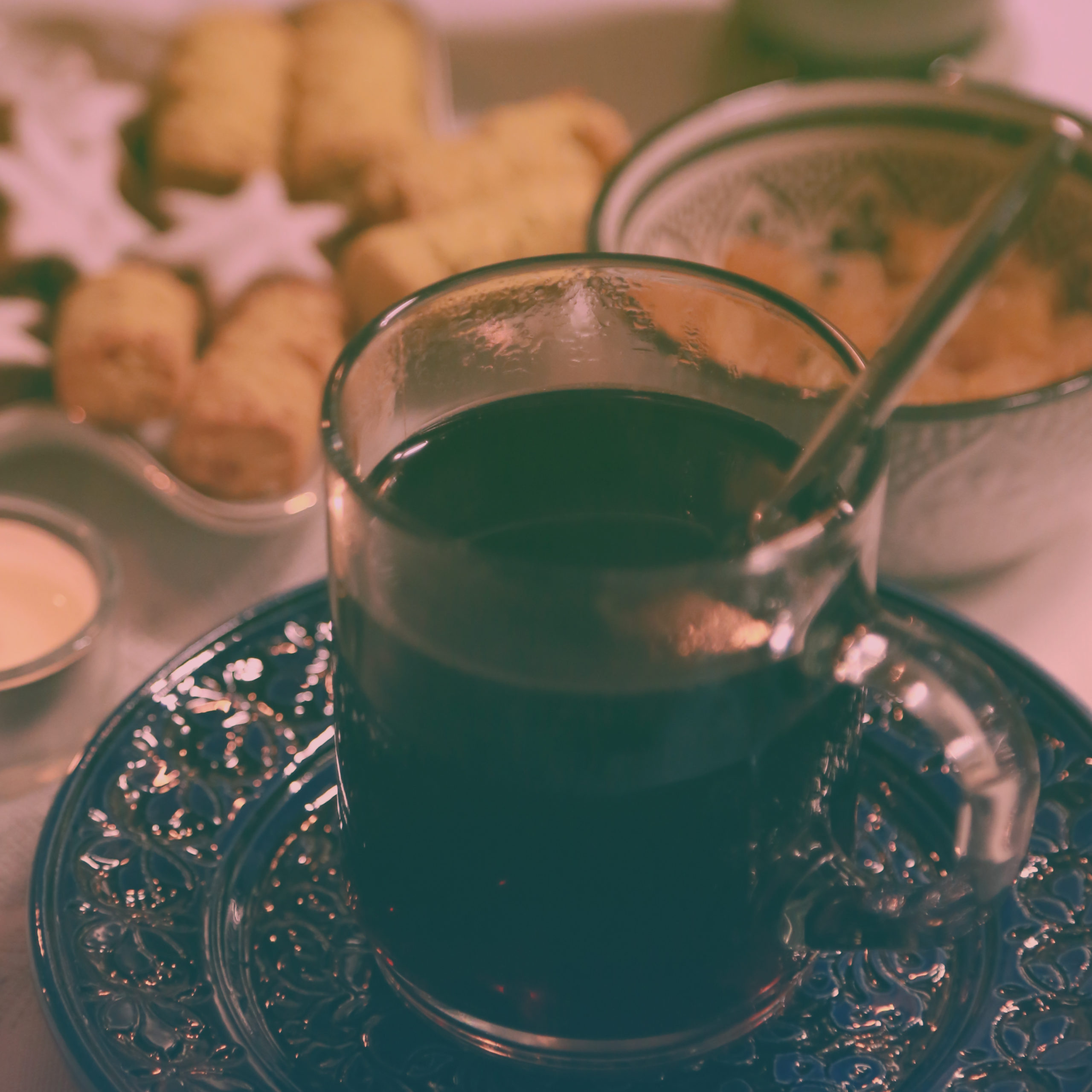
Tonight I’m making my own Swedish glögg with a bottle of decent (but not precious) red wine from the Rhône valley—quality matters, but there’s no need to sacrifice your finest vintage. The goal is festive warmth, not tomorrow’s headache. My spice arsenal includes cinnamon sticks, green cardamom pods, and whole cloves, along with some fresh clementine peel and sugar. Traditional Swedish recipes also call for dried Seville orange peel and a piece of dried ginger, but I’m working with what’s in my pantry, and the result will still be thoroughly delicious.

The method is beautifully simple: combine everything in a pot and heat gently—this is crucial—never letting it reach a boil. Let it simmer quietly for about fifteen minutes, allowing the spices to infuse and the kitchen to fill with that unmistakable Christmas fragrance. Then turn off the heat, cover the pot, and let it steep a bit longer. The patience pays dividends.
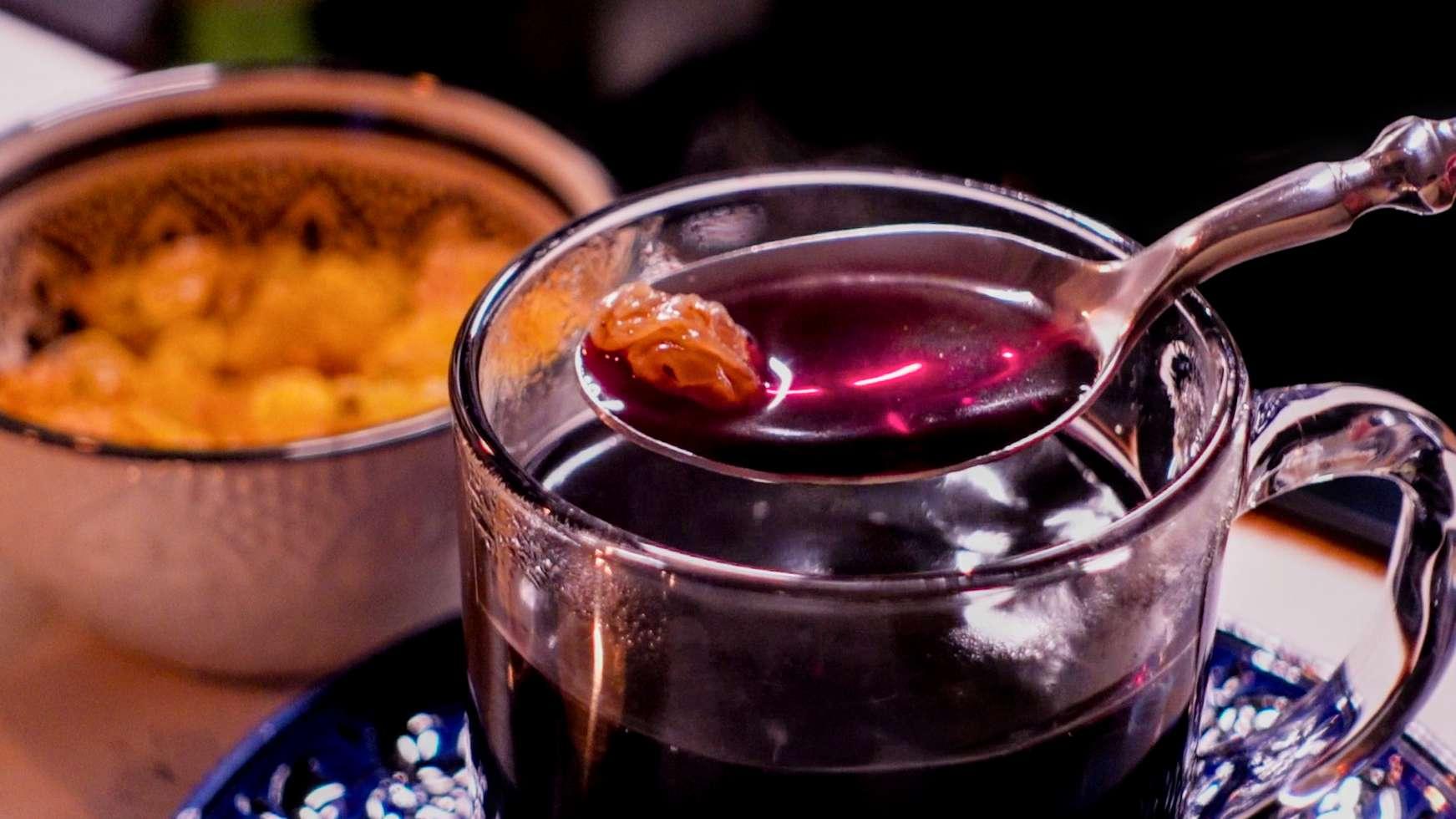
What makes glögg distinctly Scandinavian is how you serve it: ladle it into mugs with a few raisins and blanched almonds in each cup, and provide a small spoon so everyone can fish out the wine-soaked treasures between sips. It’s both drink and small dessert, warmth and texture combined.


The practical beauty of glögg is its keeping quality. Strain it, store it in the refrigerator, and whenever winter calls for comfort, simply reheat a cup and settle in with a good book. It takes very little effort to recreate a Swedish December evening, wherever you happen to be.
For a non-alcoholic version, apple juice makes an excellent base—you can skip the sugar entirely and still have something delicious. I haven’t tried this myself, but I imagine adding a cup of cranberry juice would give it a lovely tart edge and deeper color.
And for those evenings that require a little extra fortification? Start with a small shot of cognac or good aquavit in your mug before adding the glögg. All in good measure and with common sense, naturally.
Until tomorrow, dear friends—Skål!
)
Ingredients
For the Glögg:
For Serving:
Instructions
- Prepare the spices: Lightly crush the cardamom pods to release their flavor. Peel the clementine, avoiding the bitter white pith.
- Combine ingredients: Pour wine into a large pot. Add cinnamon sticks, cardamom, cloves, citrus peel, ginger (if using), and sugar.
- Heat gently: Warm over low heat for 15 minutes. Important: Do not let it boil, as this will evaporate the alcohol and turn the flavors bitter. The wine should be steaming but not bubbling.
- Steep: Turn off heat, cover the pot, and let steep for 30 minutes to 1 hour for deeper flavor.
- Strain and serve: Strain out the spices. Ladle into mugs, adding 4-5 raisins and 3-4 almonds to each cup. Provide small spoons for scooping out the wine-soaked treats.
- Optional kick: Add a small shot (1-2 tablespoons) of cognac or aquavit to each mug before adding glögg.
Notes
- STORAGE:
Strain and refrigerate in an airtight container for up to 1 week. Reheat gently, one cup at a time, never boiling. - NON-ALCOHOLIC VERSION:
Replace wine with 750ml apple juice or apple cider. Reduce or omit sugar. Consider adding 1 cup cranberry juice for tartness and color. Follow the same heating and steeping method. - TIPS:
– Use a decent wine, but save your finest bottles for drinking—glögg is meant to transform everyday wine
– The longer you steep (without heat), the deeper the spice flavor
– Adjust sweetness to your preference—Swedish glögg is typically quite sweet
– The raisins and almonds are traditional and essential to the authentic experience - Skål!

Written by Alexandra Poppy
Writer, reader & curator of The Ritual of Reading
I’m Alexandra, the voice behind The Ritual of Reading. Somewhere between a stack of novels and a half-finished pot of tea, I keep finding traces of the life I want to live—slower, richer, filled with stories. The Ritual of Reading is where I gather what I love: books that linger, places with a past, and rituals that make ordinary days feel a little more meaningful. I write from Paris, where elegant bookshops and old-fashioned cafés offer endless inspiration—and I share it here, hoping it brings a spark to your own days, too.