
Scandinavian Advent Calendar Day 21

Hello, dear friends! Today is December 21st—the winter solstice, the longest night of the year, when darkness reaches its fullest expression before beginning its slow retreat toward spring. Up north in the lands of the Vikings, this was the feast of Jule, connected to the Germanic god Odin, celebrated with fire and feasting, with rituals meant to coax the sun’s return.
But I haven’t chosen the path of Old Norse mythology for my shortest day of the year. Instead, I want to speak about perhaps the greatest concept ever exported from Scandinavia to the wider world (and no, despite what you’re thinking, it’s not IKEA): the Danish philosophy of hygge.
Before this became an international lifestyle trend, hygge was simply a Danish and Norwegian word used to express a feeling of coziness and comfort, an uncomplicated contentment that generates quiet joy. It wasn’t until the twentieth century that this instinctive feeling was articulated as a deliberate philosophy, a way of approaching the darker months not with dread but with intentional warmth.

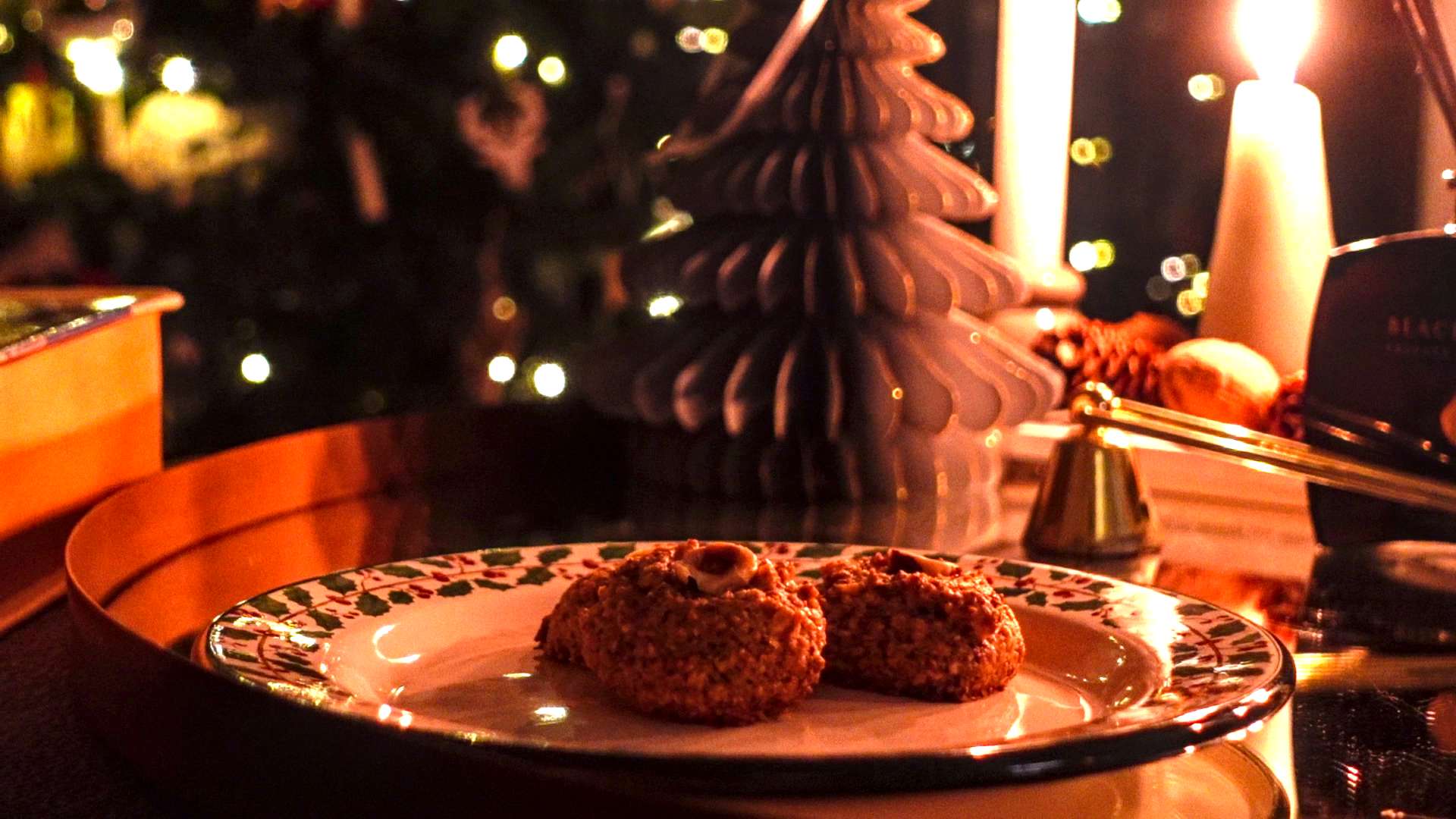
So what are the Danes actually doing to cultivate this cozy, hygge life? They embrace the darkness and cold rather than resisting them. This means dimmed lights instead of harsh brightness, candles rather than overhead fixtures, fluffy socks and soft blankets as uniform. It means scents that awaken olfactory memory—cinnamon, cardamom, woodsmoke, pine—wrapping you in a cocoon of tranquility. It means choosing activities that promote calmness and joy, creating balance for the spirit during months when the natural world offers little external comfort.
I love this mantra for the winter solstice: out of darkness comes the light. And what a marvelous thing it is to become your own light—to possess the ability to transform a situation that threatens to lower your spirits into a celebration of the time we’ve been given to rest and regenerate.
I like to pair my Danish hygge moments with another northern tradition: the Swedish fika.
Fika is a coffee break accompanied by something sweet, and it has become so essential to Swedish culture that it’s practically a national institution. The beauty of fika lies in its flexibility—you can replace coffee with tea or any beverage you prefer, making it appropriate for any time of day. This isn’t merely a snack break; it’s permission to pause in our relentlessly busy schedules and find pleasure through taste, conversation, or simply sitting quietly with our thoughts.
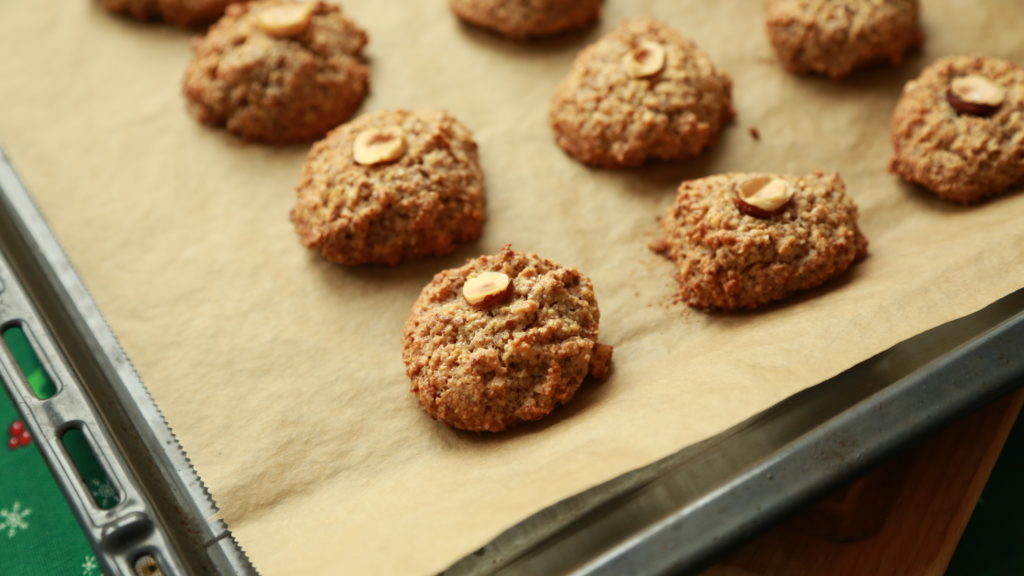
For my solstice fika, I’m making traditional Swedish nöttoppar—hazelnut cookies that are naturally gluten-free and ridiculously simple to prepare. You need only four ingredients: hazelnuts, sugar, eggs, and butter. I add a touch of vanilla sugar to complement the nutty richness, and that’s it. This is the easiest cookie I’ve ever made and also among the most delicious, though I confess a particular weakness for hazelnuts. They bake into little golden domes with crisp exteriors and slightly chewy centers, perfect for dunking into hot coffee or tea.
So when night falls—and today I won’t wait long for darkness to arrive—I’ll settle into my couch with a nöttopp, a steaming cup, and a good book. The solstice becomes not something to endure but something to celebrate: the pivot point, the promise that light will return, the invitation to rest deeply before the year begins its acceleration toward spring.
This is hygge at its most essential: making darkness beautiful, making winter welcome, making the longest night feel like a gift.
Until tomorrow, dear friends—may your winter solstice be warm, your cookies plentiful, and your light ever-present, even in the deepest dark.

Ingredients
Instructions
- Preheat oven to 175°C (350°F / Gas Mark 4)
- Line two baking sheets with parchment paper
- Melt butter and set aside to cool slightly
- In a large bowl, combine ground hazelnuts, sugar, vanilla sugar, and a pinch of salt
- In a separate bowl, lightly whisk egg whites until slightly frothy (not stiff—just broken up)
- Add egg whites to the hazelnut mixture
- Add melted butter
- Stir everything together until well combined into a thick, slightly sticky dough
- Let rest for 5 minutes to allow hazelnut flour to absorb moisture
- Using two spoons or a small cookie scoop, form small mounds of dough (about 1 tablespoon each)
- Place on prepared baking sheets, spacing about 2 inches apart
- The dough will be quite sticky—this is normal
- Optional: Press a whole hazelnut gently into the top of each cookie
- The cookies will spread slightly during baking, forming dome shapes
- Bake for 12-15 minutes until cookies are golden brown around the edges
- The centers should still be slightly soft—they will firm up as they cool
- Remove from oven when edges are crisp and tops are lightly golden
- Let cool on baking sheet for 5 minutes (they’re fragile when hot)
- Transfer carefully to a wire rack to cool completely
- Serve at room temperature with coffee or tea for authentic Swedish fika
- Store in an airtight container once completely cooled
Step 1: Prepare
Step 2: Make the Dough
Step 3: Shape the Cookies
Step 4: Bake
Step 5: Serve
Notes
- TIPS:
Hazelnut meal: You can buy ground hazelnuts or grind whole hazelnuts in a food processor (pulse carefully to avoid making hazelnut butter)
Don’t overbeat egg whites: They should be frothy but not stiff—you’re not making meringue
Sticky dough: The dough is meant to be sticky. Dampen your hands slightly if needed when shaping
Cooling is crucial: Let cookies cool on the baking sheet before moving them—they’re delicate when hot
Golden edges: The cookies are done when edges are crisp and golden; centers may look slightly underdone - VARIATIONS:
Almond version: Replace hazelnuts with ground almonds for mandelkubb (almond cookies)
Chocolate dipped: Once cooled, dip half of each cookie in melted dark chocolate
Spiced: Add ¼ teaspoon cinnamon or cardamom to the dough
Orange zest: Add finely grated zest of 1 orange for citrus notes - STORAGE:
Store in an airtight container at room temperature for up to 1 week. The cookies actually improve after a day as flavors meld. Can be frozen for up to 3 months. - SERVING SUGGESTION:
Arrange on a pretty plate alongside a pot of strong coffee or your favorite tea. Add a candle, wrap yourself in a soft blanket, and practice hygge by simply being present with your cookie, your beverage, and perhaps a good book. This is fika at its finest: a deliberate pause in the day to savor something sweet and find a moment of peace.

Written by Alexandra Poppy
Writer, reader & curator of The Ritual of Reading
I’m Alexandra, the voice behind The Ritual of Reading. Somewhere between a stack of novels and a half-finished pot of tea, I keep finding traces of the life I want to live—slower, richer, filled with stories. The Ritual of Reading is where I gather what I love: books that linger, places with a past, and rituals that make ordinary days feel a little more meaningful. I write from Paris, where elegant bookshops and old-fashioned cafés offer endless inspiration—and I share it here, hoping it brings a spark to your own days, too.