
Belgian Advent Calendar – Day 17
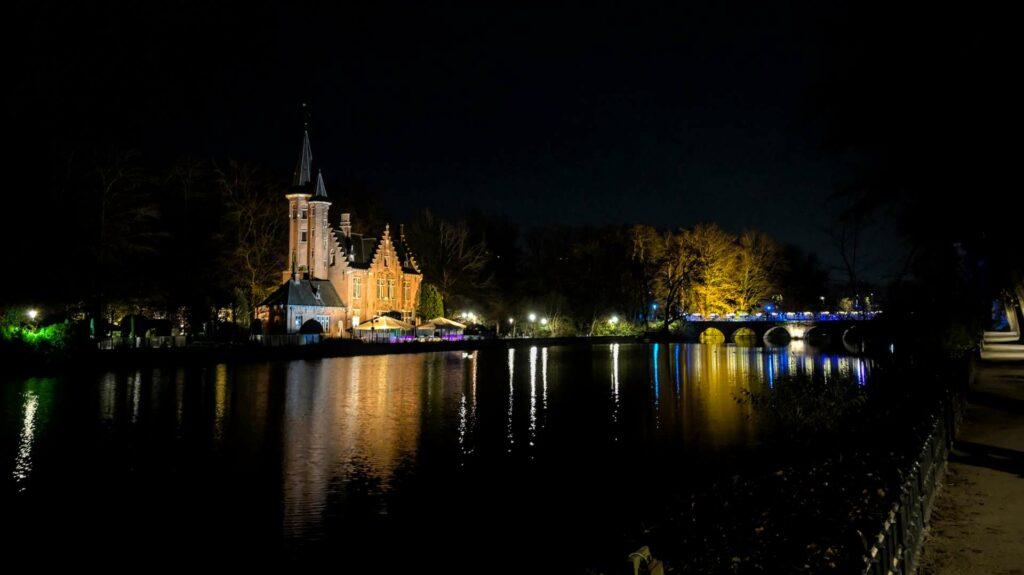
I’m standing at the edge of the Minnewater—the Lake of Love—in Bruges, and the darkness transforms everything. What looks romantic and serene in daylight becomes something else entirely when the sun goes down. The swans disappear into shadow. The trees lean in closer. The water goes black and still. You start to understand why a crime novelist would choose this spot to open a story.
Maybe I got away in the nick of time. Or maybe Pieter Aspe just knows how to find the menace lurking beneath beauty, which is precisely what makes him such an effective writer of detective fiction.
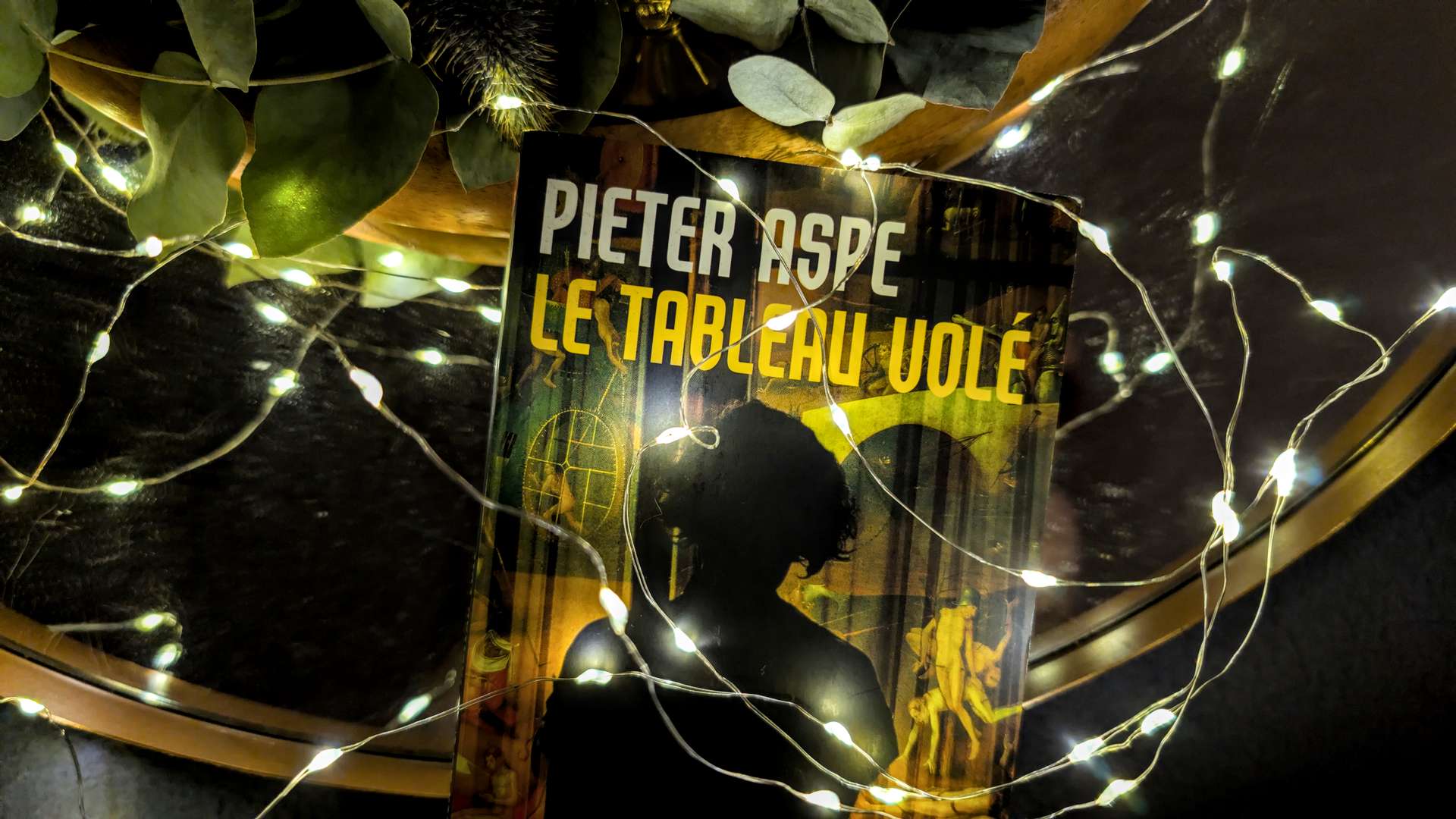
The other day we explored a Maigret novella by Georges Simenon, that master of Walloon letters who gave us Inspector Maigret and all his patient, pipe-smoking wisdom. Today I wanted to cross Belgium’s linguistic divide and see what Flemish crime fiction had to offer. The answer, I’m discovering, is Pieter Aspe—and his novel Zoenoffer, which I’m reading in French translation as Le Tableau volé (The Stolen Painting).
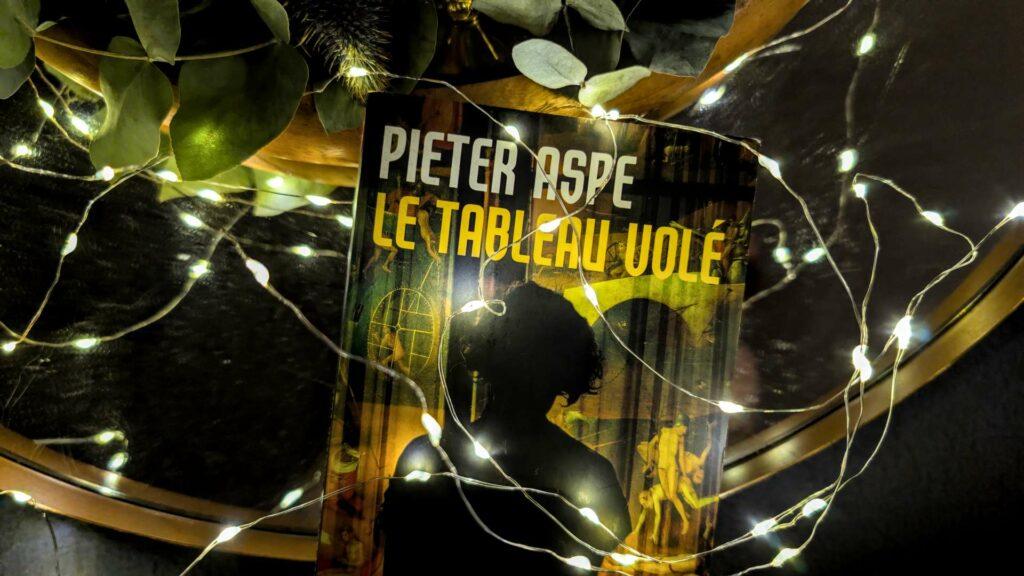
If you’re reading in English, I should mention that this particular title doesn’t appear to have been translated just yet. But no matter—Aspe’s Inspector Van In series spans multiple novels, many of which are available in English translation, so you can pick up the detective’s adventures elsewhere and still get the full experience of what makes these books work.
And they do work. Aspe, who passed away in 2021, was a giant of Belgian crime fiction, outselling even Simenon in his native Flanders. His books sold millions of copies and were adapted into a hugely popular Flemish television series that ran for years. Van In became as recognizable to Flemish audiences as Maigret was to French ones—a detective who belonged specifically to his city, who knew its streets and secrets, who couldn’t be imagined anywhere else.
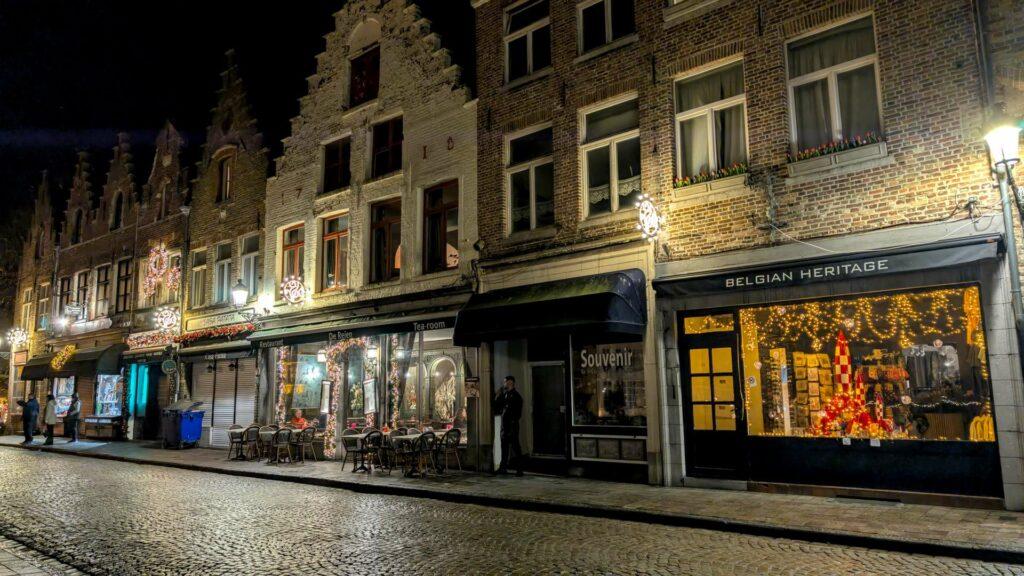
That city is Bruges, and Aspe’s version of it bears little resemblance to the tourist brochures. Yes, the medieval architecture is there, the canals and cobblestones and chocolate shops. But Aspe is interested in what happens after the tour buses leave, in the Bruges that exists for the people who actually live there—the mundane crimes and petty corruption, the drug deals and art theft, the whole messy underbelly that tourists never see.
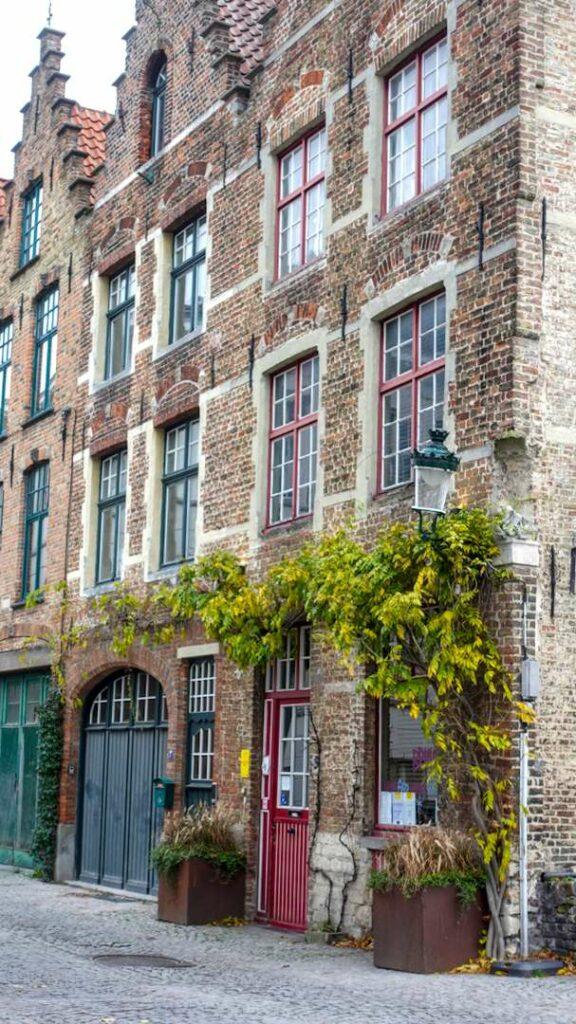
The Stolen Painting opens with that nighttime walk around the Minnewater and quickly pulls you into a mystery involving stolen art, including a work from the Groeningemuseum—you might remember the images from day 10 of our Advent Calendar, but under very different circumstances.
What strikes me most about Aspe’s writing is how he balances darkness with humour. The crimes are serious, the stakes are real, but Inspector Van In moves through this world with a dry humor that keeps things from becoming oppressive. His relationship with his wife Hannelore provides warmth and wit, and the banter between Van In and his team gives the story breathing room. These are people who enjoy each other’s company even as they’re wading through Bruges’ criminal underworld, and that human connection makes everything more engaging.
Van In himself is no Maigret. He’s younger, more active, more likely to get personally involved in ways that complicate matters. He drinks too much, makes questionable decisions, lets cases get under his skin. But like Maigret, he knows his city intimately, understands how place shapes crime, how the same streets can mean completely different things depending on whether you’re a tourist snapping photos or a detective following leads into increasingly dangerous territory.
Aspe writes with the confidence of someone who knows exactly what he’s doing. The plot moves briskly, the atmosphere accumulates steadily, and there’s a real sense of place that goes beyond mere description. You feel the cold of those Bruges streets, the weight of all that medieval architecture pressing down, the claustrophobia of a city that’s beautiful but also somehow sealed off, turned in on itself.
This is detective fiction that understands genre conventions but doesn’t feel constrained by them. Aspe gives you what you want—the investigation, the reveals, the satisfaction of pieces clicking into place—but does it with enough style and local color that it never feels artificial. And there’s something deeply satisfying about a thriller that keeps you turning pages desperately wanting answers while also making you laugh at Van In’s latest misadventure or appreciate the specific details of Bruges life that only someone who really knew the city could provide.
I’m already looking forward to the next Van In novel. When you find a detective you enjoy spending time with, a writer who can balance serious crime with genuine humor, and a setting rendered with this much specificity and affection, you want to return. The series offers exactly that opportunity—a chance to keep exploring Bruges beyond the postcards, to see what else Van In will stumble into, to watch Aspe work his particular magic of making the familiar seem strange and the strange seem inevitable.
So if you’ve exhausted your Maigret collection and want something with a bit more edge, a bit more contemporary energy, try tracking down Pieter Aspe in translation. Start wherever you like—each Van In novel stands alone well enough. Just know that you’re entering a Bruges that won’t match the one in the guidebooks, and that’s exactly the point.
The Lake of Love looks peaceful in my footage, but now I know better. Thanks to Aspe, I’ll never look at those dark waters quite the same way again.
See you tomorrow for another Belgian treasure!
Until then, Merry Advent!

Written by Alexandra Poppy
Writer, reader & curator of The Ritual of Reading
I’m Alexandra, the voice behind The Ritual of Reading. Somewhere between a stack of novels and a half-finished pot of tea, I keep finding traces of the life I want to live—slower, richer, filled with stories. The Ritual of Reading is where I gather what I love: books that linger, places with a past, and rituals that make ordinary days feel a little more meaningful. I write from Paris, where elegant bookshops and old-fashioned cafés offer endless inspiration—and I share it here, hoping it brings a spark to your own days, too.