
Medieval Advent Calendar Day 13

Hello, dear friends, and welcome to our thirteenth day in the Medieval Advent Calendar. Today, things are getting spicy—literally, I mean, so let’s keep our minds focused on the culinary variety.
Spices arriving from the Orient defined luxury throughout the Middle Ages, their value sometimes exceeding that of gold. These precious substances—pepper, cinnamon, ginger, cloves, nutmeg—traveled extraordinary distances along trade routes that connected the Mediterranean world to India, Southeast Asia, and beyond. To possess them was to demonstrate wealth, sophistication, and access to the wider world.
One of the most famous medieval recipes that survives in our modern repertoire is gingerbread. It’s worth noting that the gingerbread cookies known throughout the Anglo-Saxon world date primarily from the sixteenth century, but they were inspired by the French pain d’épices—literally “bread of spices.” Shaped as a loaf or cake rather than cookies, pain d’épices represents the transformation of an ancient honey bread to which spices were added during and after the Crusades, when these exotic flavors became more accessible (though still expensive) in European markets.

The recipe was transmitted primarily through monastic archives, as monks and nuns were often the most literate members of society and maintained detailed records of their culinary and medicinal preparations. Certain regions, particularly Alsace in northeastern France, became renowned for their production of pain d’épices, developing local variations that persist to this day.
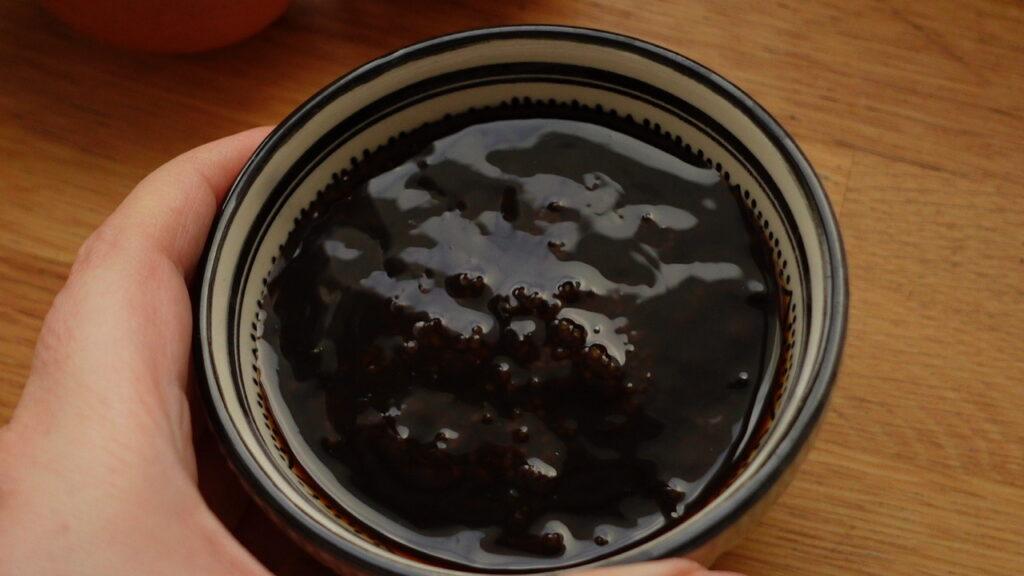
I’m making my version today with a personal twist, since I prefer not to heat honey—doing so can destroy some of its beneficial enzymes and alter its delicate flavor profile. Instead, I’m using date molasses, though you could certainly use classic molasses or honey if you don’t share my reservations. And in honor of King Arthur—whose legends are so deeply rooted in Celtic Britain and Brittany—I’m using buckwheat flour from Brittany rather than the traditional wheat and rye combination. Buckwheat, despite its name, contains no wheat at all and is naturally gluten-free, giving the bread a deeper, earthier flavor that pairs beautifully with the warm spices.
Speaking of spices, the blend is somewhat a chef’s choice. I’m working with cinnamon, nutmeg, fresh and ground ginger, and cloves—the classic medieval quartet that defined luxury baking.
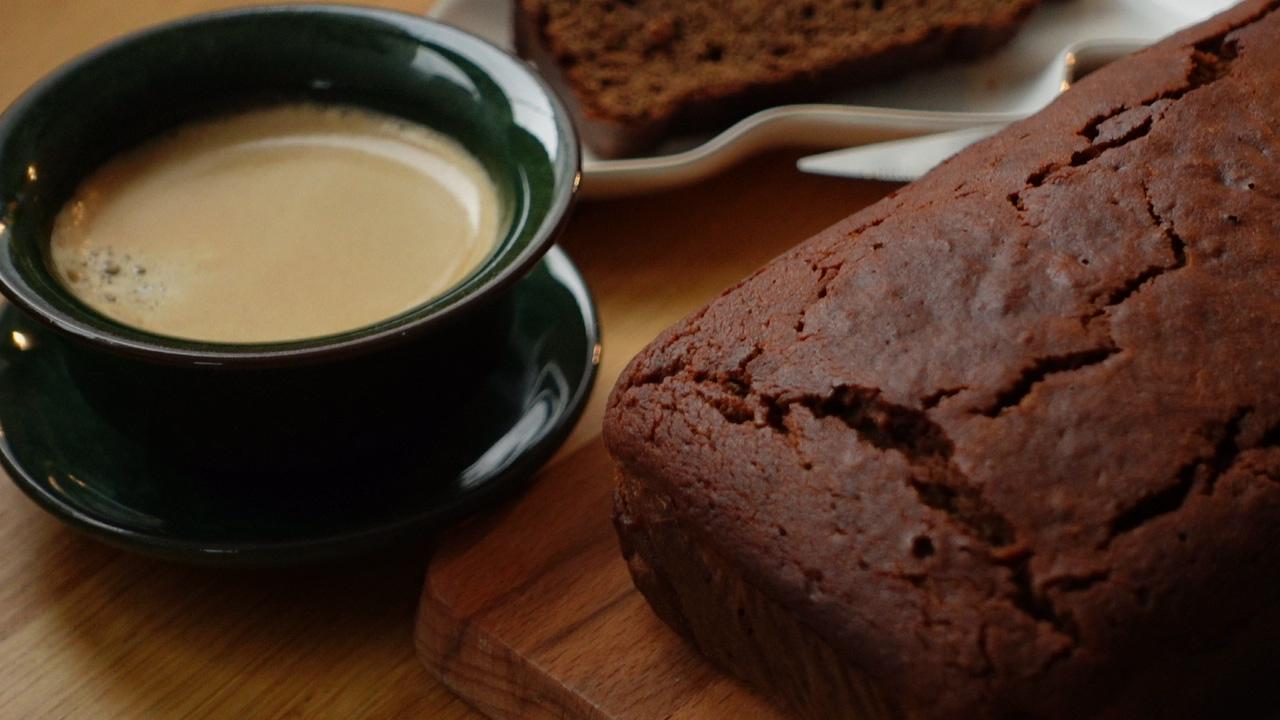
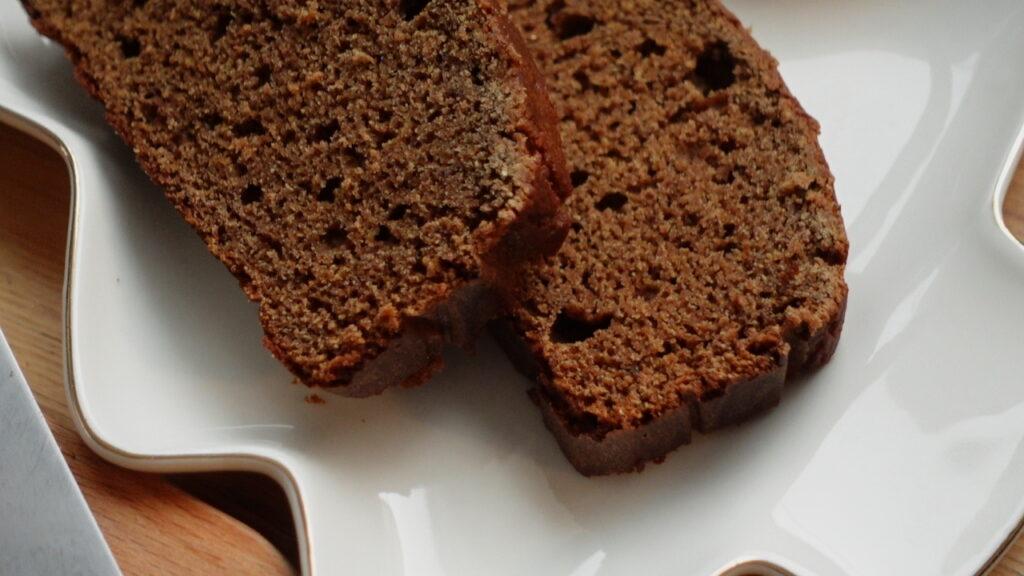
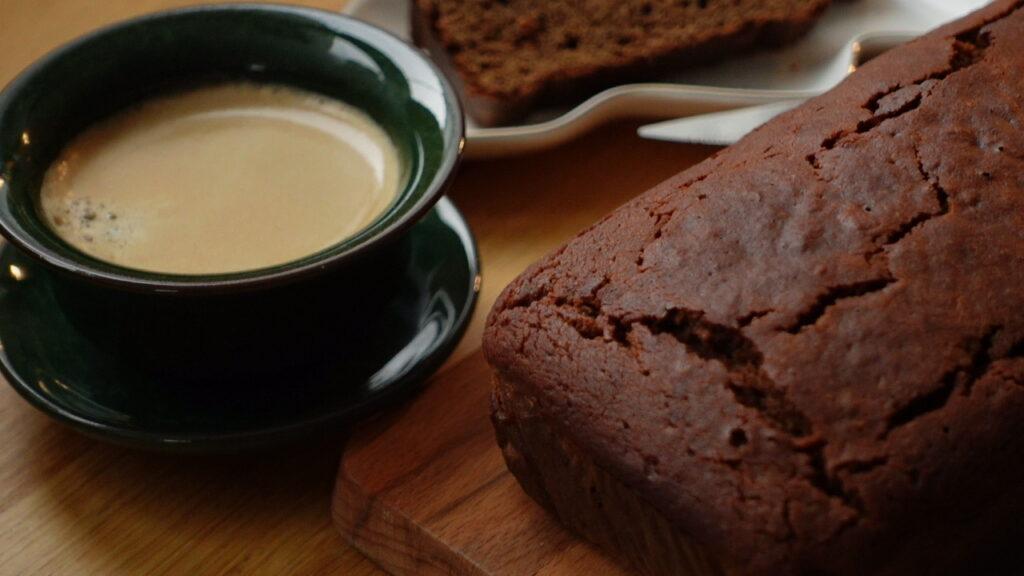
The result is a dark, dense, intensely aromatic loaf that tastes like concentrated Christmas. It keeps beautifully for up to ten days wrapped in parchment or foil, actually improving as the flavors meld and deepen. Enjoy it sliced with afternoon tea, or toast it and serve with fig chutney and foie gras for your Christmas feast—the medieval meeting the modern in the most delicious way possible.
This is a gluten-free, dairy-free, fat-free recipe that somehow manages to taste rich and indulgent despite its virtuous credentials. Medieval alchemy at its finest.
Bon appétit, mes amis!

Ingredients
Dry Ingredients:
Wet Ingredients:
Instructions
- In a small saucepan, combine date molasses (or honey), brown sugar, milk, orange zest, lemon zest, and grated fresh ginger
- Heat gently over low heat, stirring until sugar dissolves completely
- Remove from heat and let cool slightly (about 5-10 minutes)
- In a large mixing bowl, whisk together buckwheat flour, baking powder, cinnamon, nutmeg, ground ginger, and cloves
- Make a well in the center
- Add beaten eggs to the dry ingredients
- Pour in the warm molasses mixture
- Stir gently just until everything is well combined—do not overmix
- The batter will be quite liquid, which is correct
- Line a loaf tin (approximately 9×5 inches / 23×13 cm) with parchment paper
- Pour batter into prepared tin
- Set aside at room temperature for 1 hour (this allows the buckwheat flour to fully hydrate)
- Use this time for reading or other holiday preparations
- Preheat oven to 160°C (320°F / Gas Mark 3)
- Bake for 1 hour, or until a toothpick inserted into the thickest part comes out clean
- The top should be dark and slightly cracked
- Let cool completely in the tin before removing (at least 2 hours)
- Once cool, remove from tin and peel away parchment
- Slice and serve
Step 1: Prepare the Wet Base
Step 2: Combine Dry Ingredients
Step 3: Mix the Batter
Step 4: Rest the Batter
Step 5: Bake
Step 6: Cool and Serve
Notes
- SERVING SUGGESTIONS:
Simple: With afternoon tea or coffee
Traditional: Toasted with salted butter
Festive: With fig chutney and foie gras for a medieval-modern feast
Sweet: With honey or orange marmalade
Savory: With aged cheese and walnuts - TIPS:
Do not skip the 1-hour resting period—it’s essential for the texture
The bread will be quite dark when done; this is characteristic of pain d’épices
Flavor improves over several days as spices meld
The batter is intentionally quite liquid—don’t add extra flour
Fresh ginger adds moisture and intensity that complements the ground spices - STORAGE:
Wrap tightly in parchment paper or aluminum foil and store at room temperature for up to 10 days. The flavor actually deepens and improves after 2-3 days. Can also be frozen for up to 3 months. - SUBSTITUTIONS:
Flour: Can use whole wheat flour or a wheat/rye blend (50/50) for traditional version
Sweetener: Honey works beautifully if you don’t mind heating it; regular molasses is more intense and less sweet than date molasses
Milk: Any type works—dairy, oat, almond, soy
Spices: Adjust to taste, or add cardamom and star anise for variation

Written by Alexandra Poppy
Writer, reader & curator of The Ritual of Reading
I’m Alexandra, the voice behind The Ritual of Reading. Somewhere between a stack of novels and a half-finished pot of tea, I keep finding traces of the life I want to live—slower, richer, filled with stories. The Ritual of Reading is where I gather what I love: books that linger, places with a past, and rituals that make ordinary days feel a little more meaningful. I write from Paris, where elegant bookshops and old-fashioned cafés offer endless inspiration—and I share it here, hoping it brings a spark to your own days, too.