
Medieval Advent Calendar Day 9
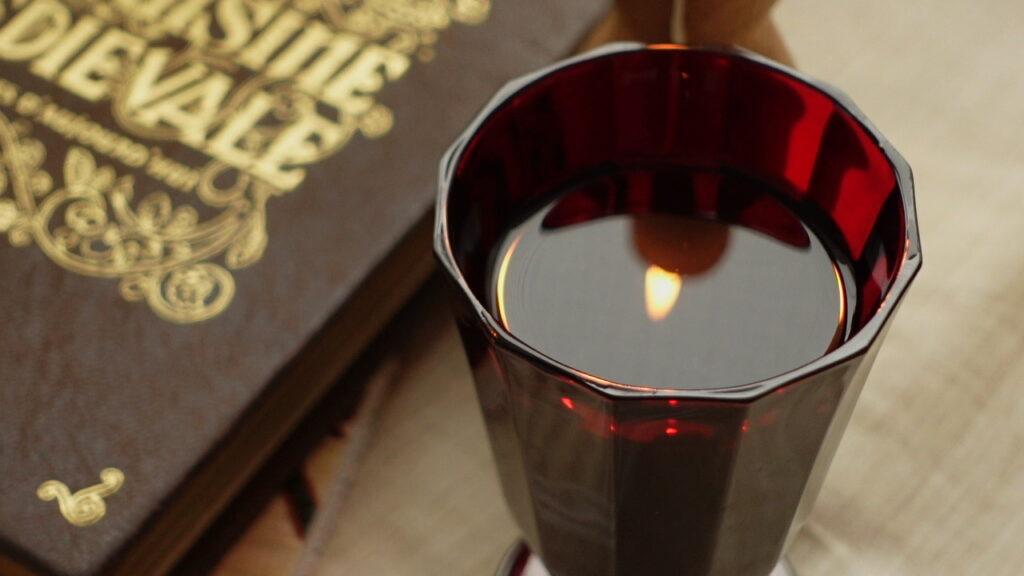
Hello, dear friends, and welcome to our ninth day of Advent. After yesterday’s exploration of medieval cookbooks and recipes, it seems only fitting to step into the kitchen ourselves—though we’ll start with something manageable. Today we’re making historically accurate drinks, a phrase I never imagined I’d say with such enthusiasm.
One fact surfaces repeatedly when researching medieval daily life: water was utterly unreliable as a beverage. Contaminated wells and streams made drinking plain water a genuine gamble with your health. So what did people drink instead?
The wine-growing South relied on grapes and sunshine, while the northern regions turned to cereal grains for ale and beer. Both alcoholic options were considerably weaker than today’s versions—mild enough that even children received small portions on occasion. Spiced wine had been known since Roman times, but by the fourteenth century, a particular preparation called hypocras gained popularity throughout Europe. Served either as an aperitif to awaken the appetite or as a digestif to settle the stomach after feasting, hypocras recipes varied according to available spices and wine quality. Red wine was most common, though white wine appears in some French recipes for claret, with slight variations in the spice blend.


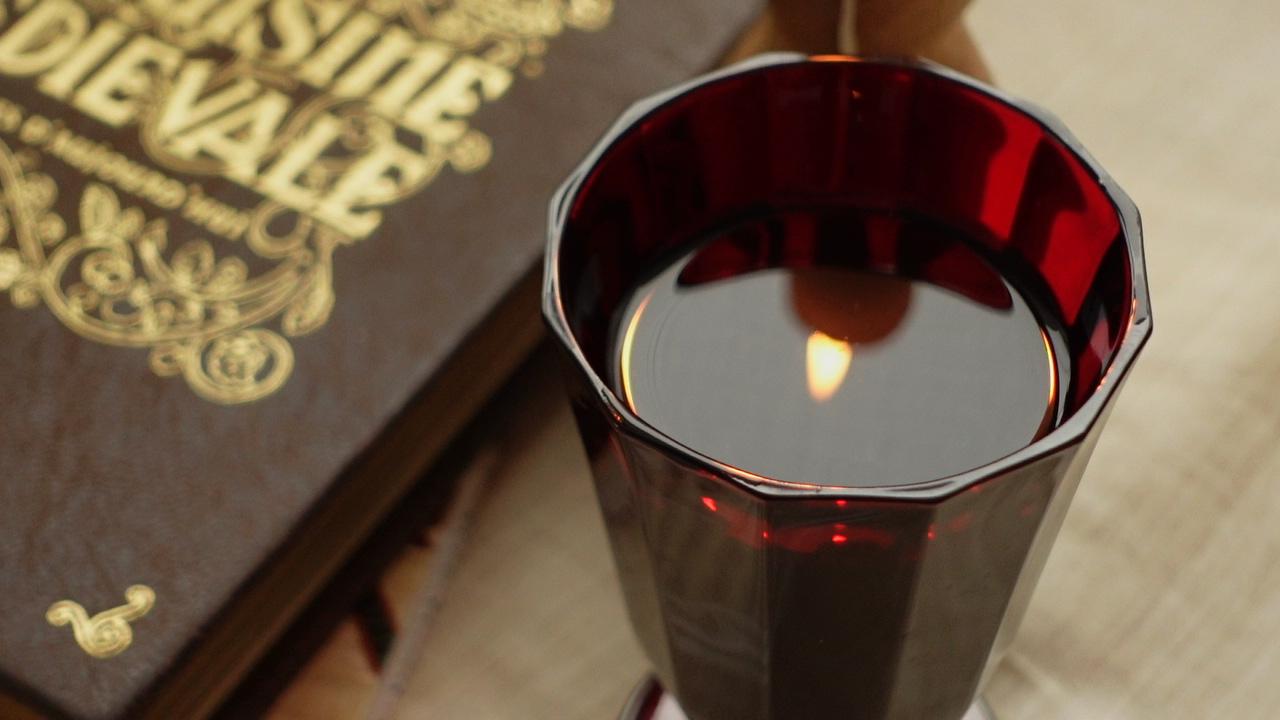
Today I’m making classic red hypocras as a moderate aperitif for the twelve days of Christmas (yes, I’m committing fully to the medieval experience this year, even beyond Advent). I’ve chosen a light, fruity red from the Loire valley—not too alcoholic—and I’m flavoring it with cinnamon, cloves, cardamom, and ginger. Since my mortar and pestle have gone missing, I’m using powdered spices tucked into a muslin tea bag for easy removal. For sweetness, I’m adding honey, known in the Middle Ages as “the sugar of the poor,” though I’m being far less generous than medieval cooks would have been: just one tablespoon per pint of wine. Mix everything together and let it macerate overnight in the refrigerator. Strain and serve whenever you like—this was the drink of choice at any hour. For a non-alcoholic version, substitute red grape juice and skip the honey entirely.
My second experiment involves white wine (or apple juice, if you prefer) and an herb we don’t typically associate with beverages: sage. I’m making saugée, or sage wine, which medieval apothecaries prescribed for everything from excess phlegm to paralysis, migraines, memory loss, and general longevity. The medicinal recipe calls simply for dried sage and white wine, but more pleasure-seeking versions exist to make the remedy enjoyable. I’m using a pint of light, slightly sweet white wine—a Gewürztraminer works beautifully, as it’s gentler on the alcohol content—with two or three fresh sage leaves, lightly crushed with a rolling pin to release their flavor more quickly. Add two thin strips of lemon zest and three green cardamom pods, then refrigerate overnight. This pairs wonderfully with goat cheese canapés or fruit tarts. I prefer my sage wine well chilled, while hypocras tastes best at room temperature.
There you have it: drinks fit for Eleanor of Aquitaine herself. Add a troubadour by your side and the medieval picture is complete.
Until tomorrow—Merry Advent!
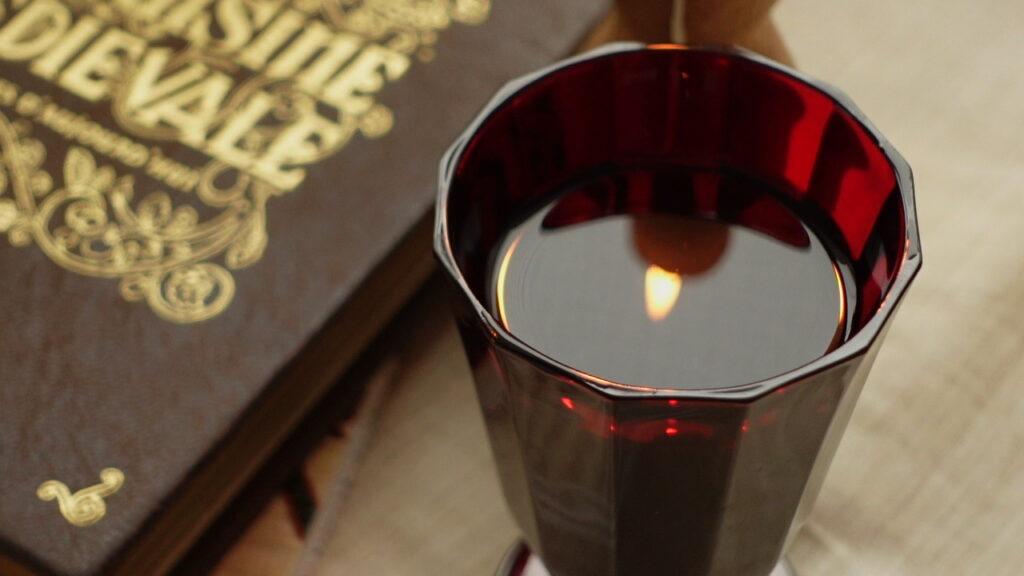
HYPOCRAS (Medieval Spiced Red Wine)
Ingredients:
- 1 pint (500ml) light red wine (Loire valley or similar fruity red)
- 1 tablespoon honey
- 1 cinnamon stick (or ½ tsp ground cinnamon)
- 4-5 whole cloves (or ¼ tsp ground cloves)
- 3-4 cardamom pods, crushed (or ¼ tsp ground cardamom)
- Small piece fresh ginger (or ¼ tsp ground ginger)
Instructions:
- Combine wine and honey in a jar or pitcher, stirring until honey dissolves
- Add all spices (use a muslin bag or tea infuser if using powdered spices)
- Cover and refrigerate overnight (8-12 hours)
- Strain out spices before serving
- Serve at room temperature as an aperitif or digestif
Non-alcoholic version: Use red grape juice, omit honey
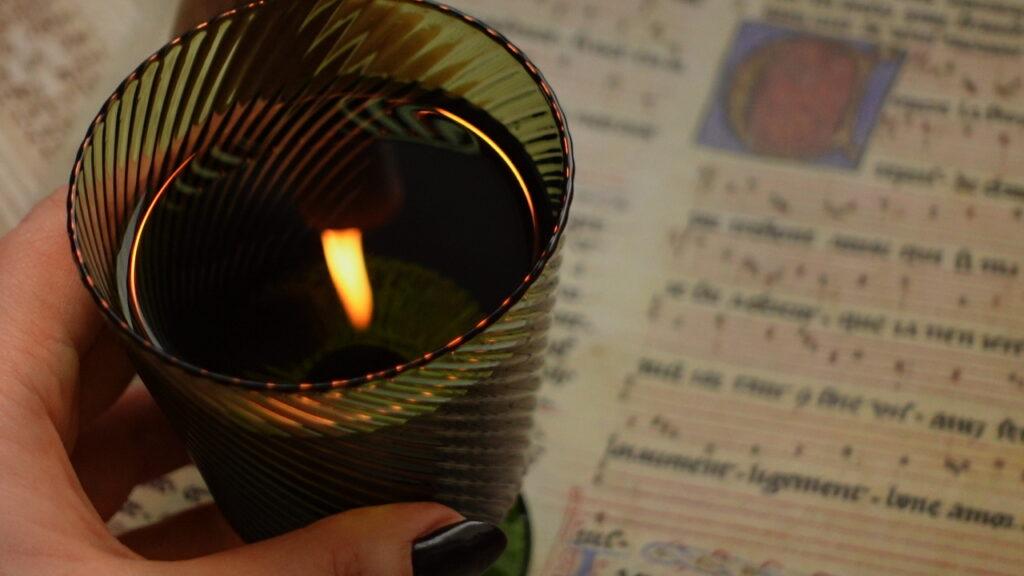
SAUGÉE (Medieval Sage Wine)
Ingredients:
- 1 pint (500ml) white wine (Gewürztraminer or similar semi-sweet white)
- 2-3 fresh sage leaves
- 2 strips lemon zest (avoid white pith)
- 3 green cardamom pods, lightly crushed
Instructions:
- Lightly crush sage leaves with a rolling pin to release oils
- Combine wine, sage, lemon zest, and cardamom in a jar or pitcher
- Cover and refrigerate overnight (8-12 hours)
- Strain before serving
- Serve well chilled with cheese or fruit tarts
Non-alcoholic version: Use apple juice or white grape juice

Written by Alexandra Poppy
Writer, reader & curator of The Ritual of Reading
I’m Alexandra, the voice behind The Ritual of Reading. Somewhere between a stack of novels and a half-finished pot of tea, I keep finding traces of the life I want to live—slower, richer, filled with stories. The Ritual of Reading is where I gather what I love: books that linger, places with a past, and rituals that make ordinary days feel a little more meaningful. I write from Paris, where elegant bookshops and old-fashioned cafés offer endless inspiration—and I share it here, hoping it brings a spark to your own days, too.