Medieval Advent Calendar Day 22
A short note on how and why I share book links
Hello, dear friends, and welcome to the twenty-second day of Advent here at The Ritual of Reading. Today’s episode features an unexpected guest: a subject that not long ago held little interest for me whatsoever—the Arthurian legend. But allowing yourself to be surprised remains one of life’s great gifts, and while preparing this year’s Advent Calendar, I realized I couldn’t sidestep such a central pillar of English medieval literature, no matter my reservations.
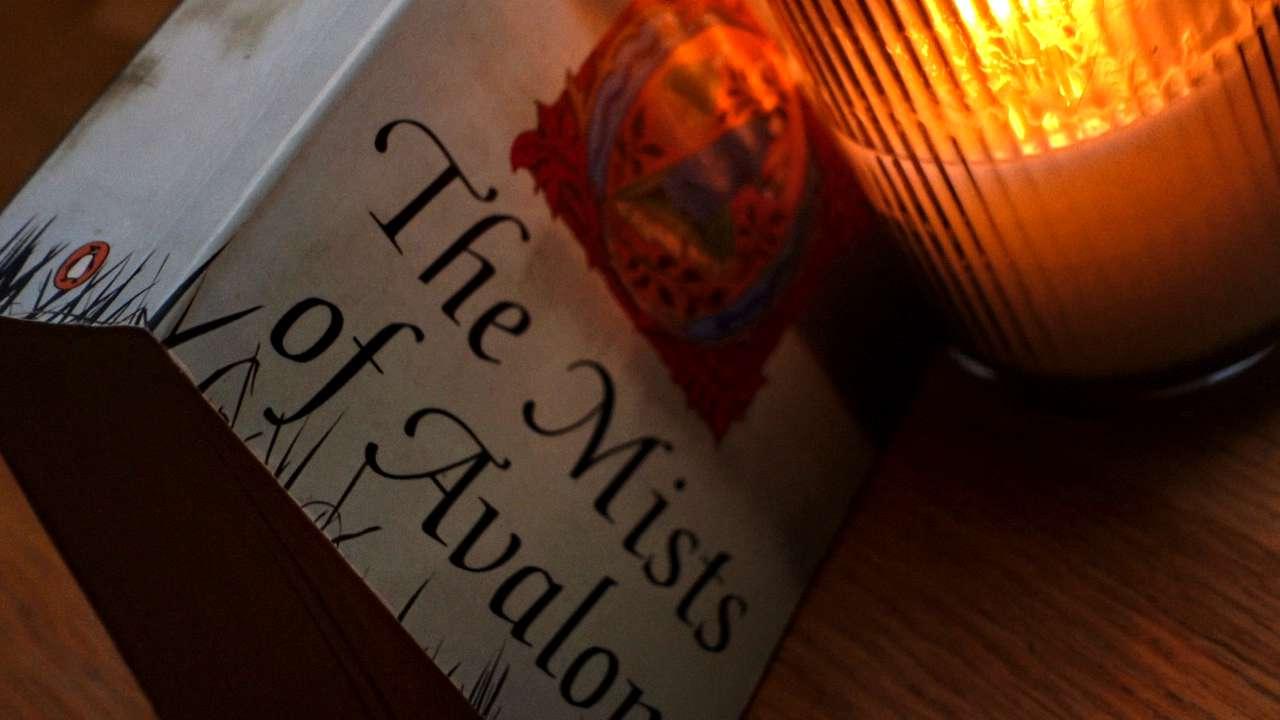
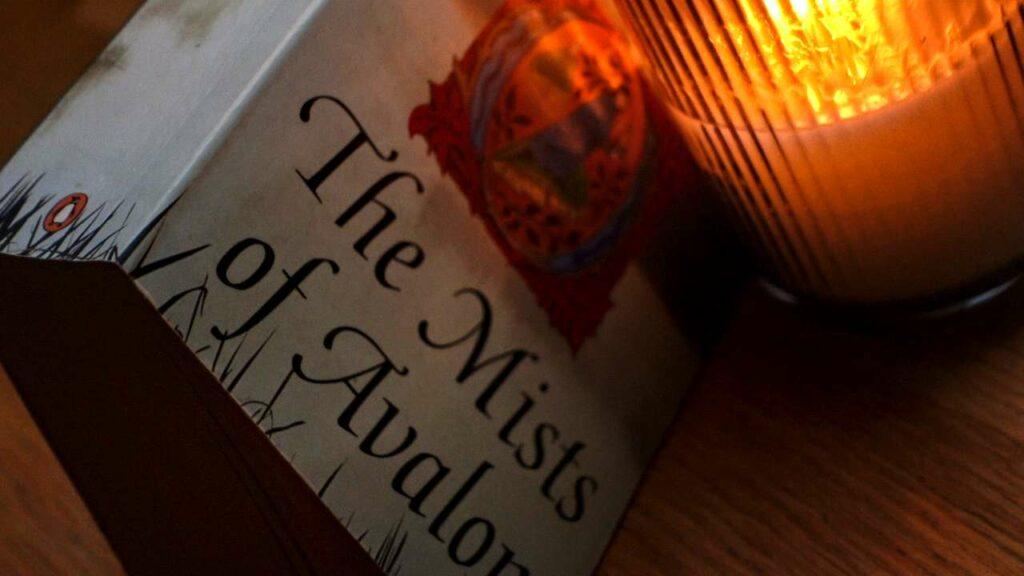
To hedge my bets, I chose a novel that reimagines the familiar story, and more importantly, one I suspected I’d enjoy since the film adaptation left a lasting impression decades ago. And so here I am, forty-two years after its publication, finally reading Marion Zimmer Bradley’s The Mists of Avalon.
The choice wasn’t deliberate, yet looking back across our Advent series, I see how perfectly this book aligns with the journey we’ve taken: a feminine retelling of King Arthur’s life fits seamlessly into a medieval adventure guided by strong female characters. The Mists of Avalon follows Morgaine, a Celtic priestess struggling to preserve her ancient religion against the rising tide of Christianity, and traces the destinies of the women surrounding not only Morgaine herself but the entire Arthurian saga: Igraine, Viviane, Morgause, and Guinevere. These are the voices traditionally relegated to the margins, now brought to the center where they belong.
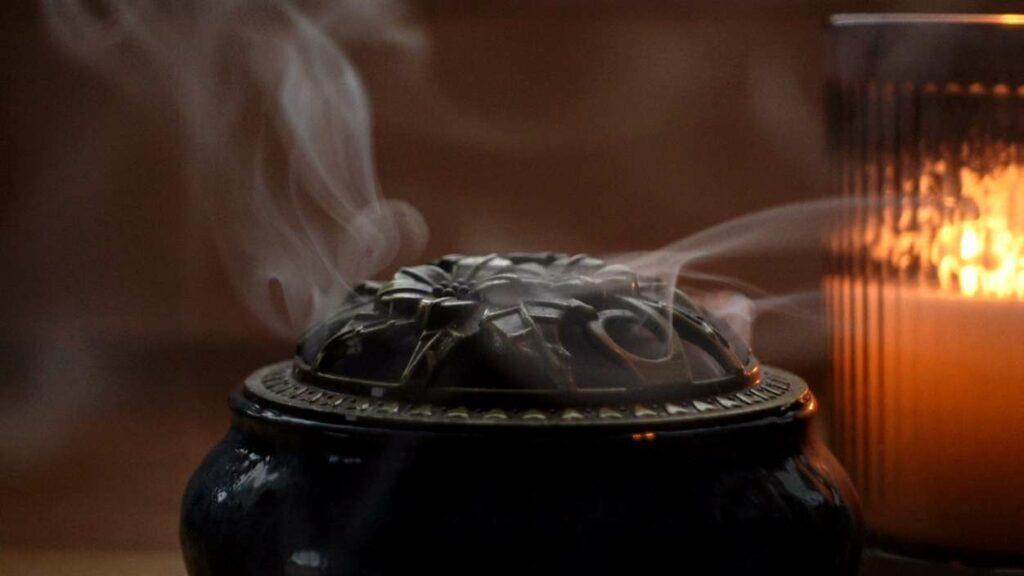
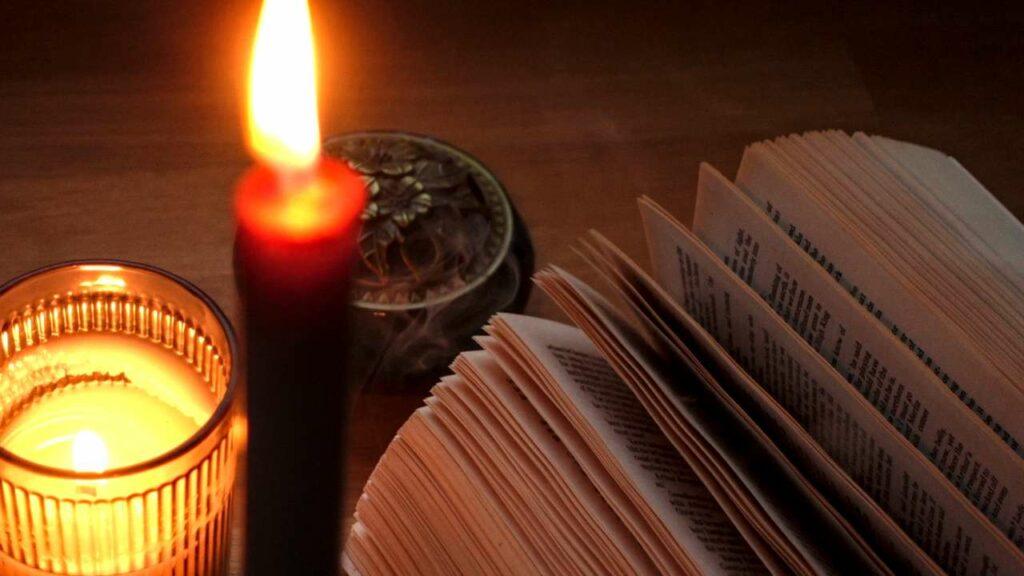
My analytical mind still grapples with the historical ambiguity of Arthur’s existence. Every casual reference to the legend seems to present it as historically grounded, at least to the amateur reader, yet the evidence remains frustratingly elusive. With historical fiction, though, I’m learning to relax my researcher’s instincts and simply surrender to the story, whether it rests on documented fact or imaginative reconstruction.
What has truly transformed my experience—perhaps the single most important factor in my complete reversal on this subject—has been the audiobook narrated by Davina Porter. Some might find her interpretation slightly theatrical, but given my background in theater studies, I found it absolutely transporting. Her voice became my guide through what I’d assumed would be hostile territory, and instead it enchanted me entirely.
You see, The Mists of Avalon has been a rite of passage. It allowed me to see beyond the knightly battles and tribal confrontations that never appealed to me, penetrating instead into the mystical lives of what Bradley calls the Old People. Is this portrayal accurate? Does it matter? The only thing of consequence is that it liberates the imagination, and with this novel I discovered an entire world I can now explore freely.

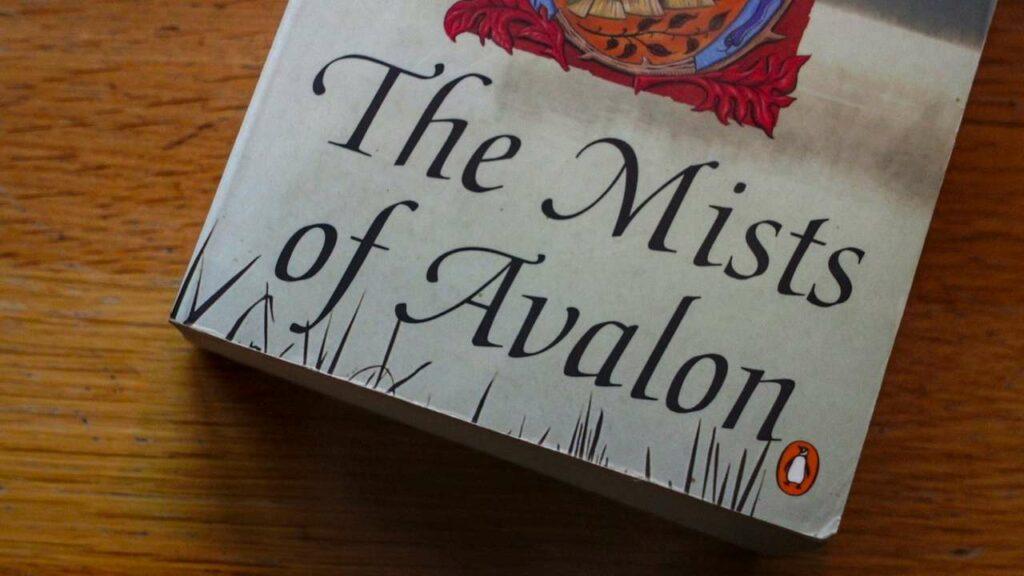
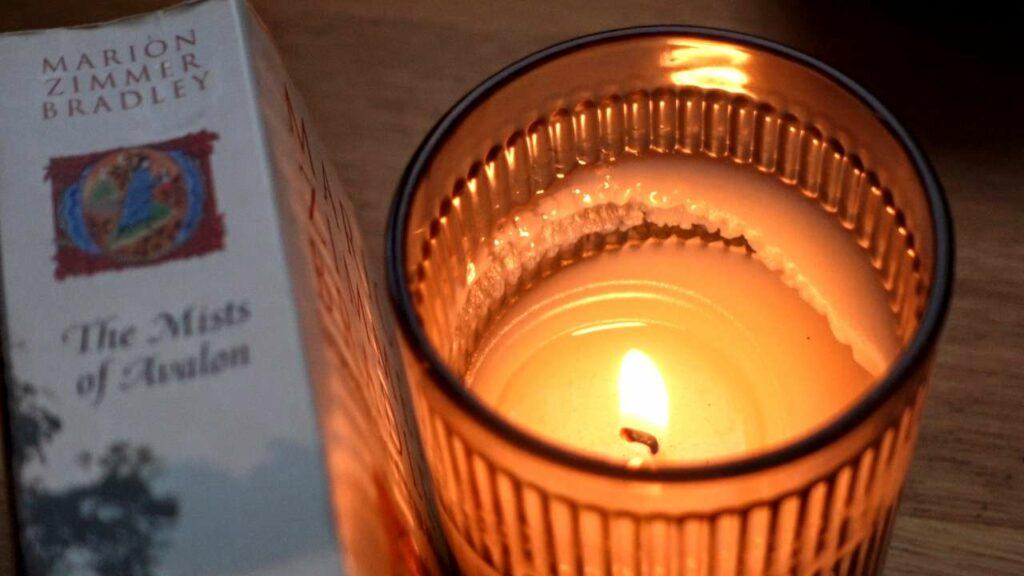
I confess my only real point of comparison is Chrétien de Troyes’s Arthurian romances, and it hardly seems fair to measure twelfth-century courtly literature against twentieth-century historical fiction. Yet what strikes me most powerfully about Bradley’s work is the weight she gives to dialogue and psychological depth. The book remains action-filled, certainly, but I never feel like a spectator watching scenes unfold on a distant screen. Instead, I become a silent witness—perhaps a lady’s maid who happens to be present while the principal characters discuss and decide. That subtle quality can only testify to the beauty and skill of her prose.
I find myself already anticipating my next Arthurian-inspired read. During a recent bookshop visit, Sophie Keetch’s Morgan Is My Name appeared before me like a sign. It sounds like a story written under the spell of The Mists of Avalon, and I’m curious to see how far Keetch will dare to take Morgaine’s story into new territory.
I cannot claim full conversion to fantasy as a genre—I still require some anchoring in recognizable elements, some tether to the world I know. Yet this medieval adventure has opened unexpected gates, and I find myself willing, even eager, to step through them and discover where they lead. Which is, I suppose, the story of any reader’s evolution.
As Bradley herself writes:
“There is no such thing as a true tale. Truth has many faces and the truth is like to the old road to Avalon; it depends on your own will, and your own thoughts, whither the road will take you.”
Until tomorrow, dear friends—merry Advent, and may your own reading take you down roads you never expected to travel.

Written by Alexandra Poppy
Writer, reader & curator of The Ritual of Reading
I’m Alexandra, the voice behind The Ritual of Reading. Somewhere between a stack of novels and a half-finished pot of tea, I keep finding traces of the life I want to live—slower, richer, filled with stories. The Ritual of Reading is where I gather what I love: books that linger, places with a past, and rituals that make ordinary days feel a little more meaningful. I write from Paris, where elegant bookshops and old-fashioned cafés offer endless inspiration—and I share it here, hoping it brings a spark to your own days, too.