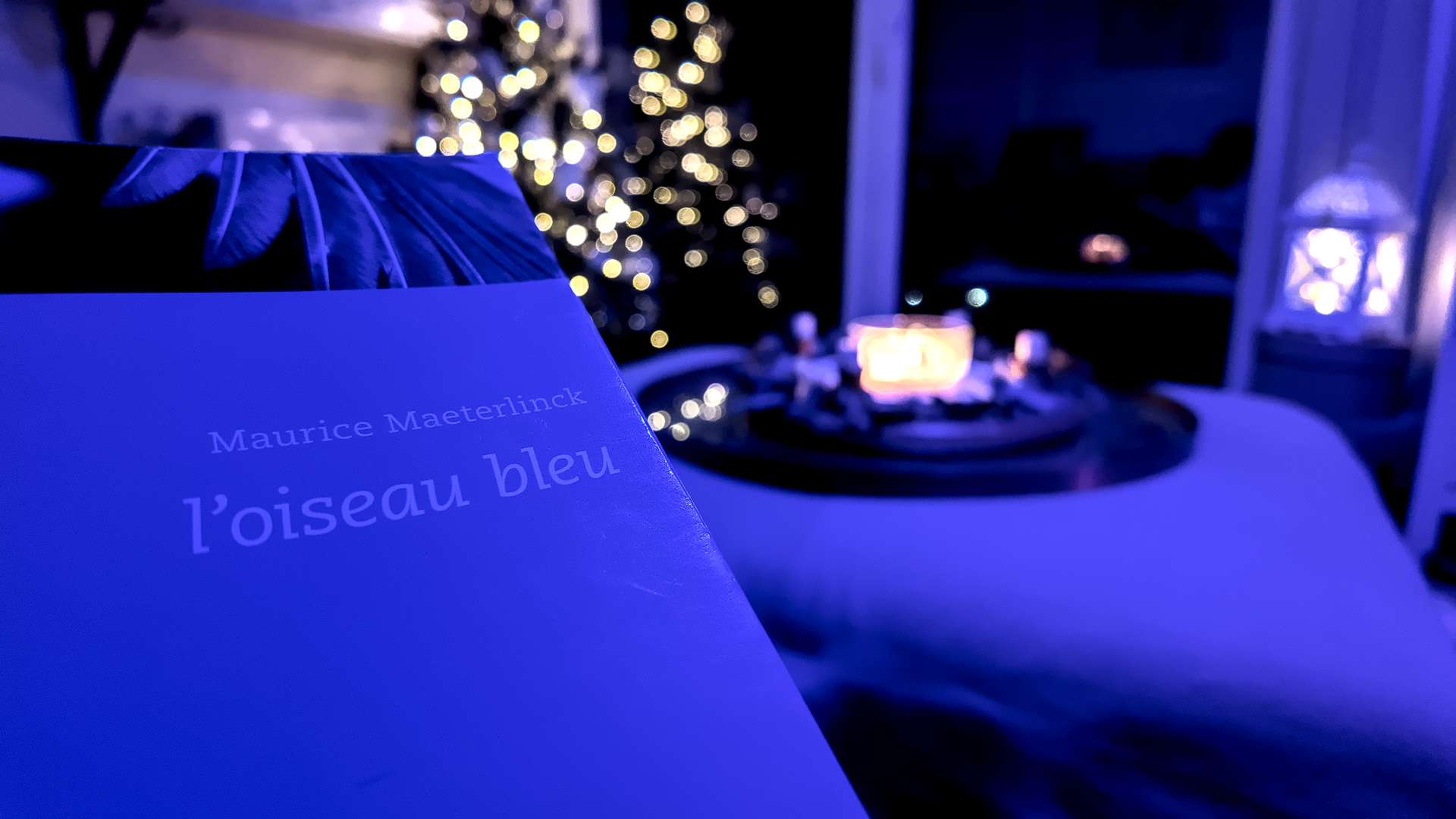
Belgian Advent Calendar – Day 24
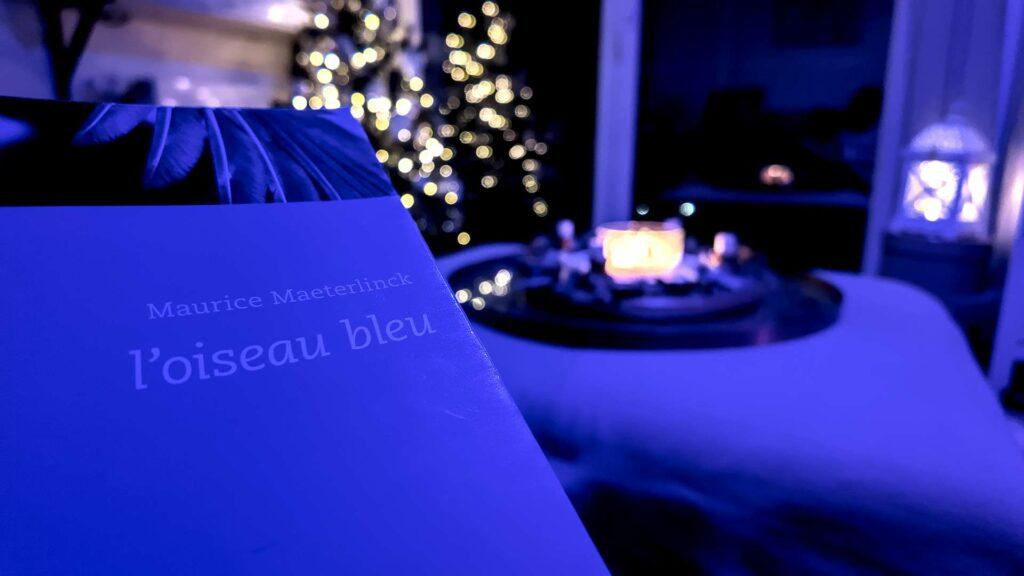
Do you remember what it felt like to believe in magic? Not the kind you had to work for or earn, but the kind that simply existed—shimmering at the edges of things, waiting to be noticed?
Tonight is Christmas Eve. And tonight, we arrive at the story I’ve been saving all along—the one that feels less like an ending and more like a beginning. The one that takes place on this very night, in a world where children dream and fairies whisper and the search for happiness becomes the most profound journey of all.
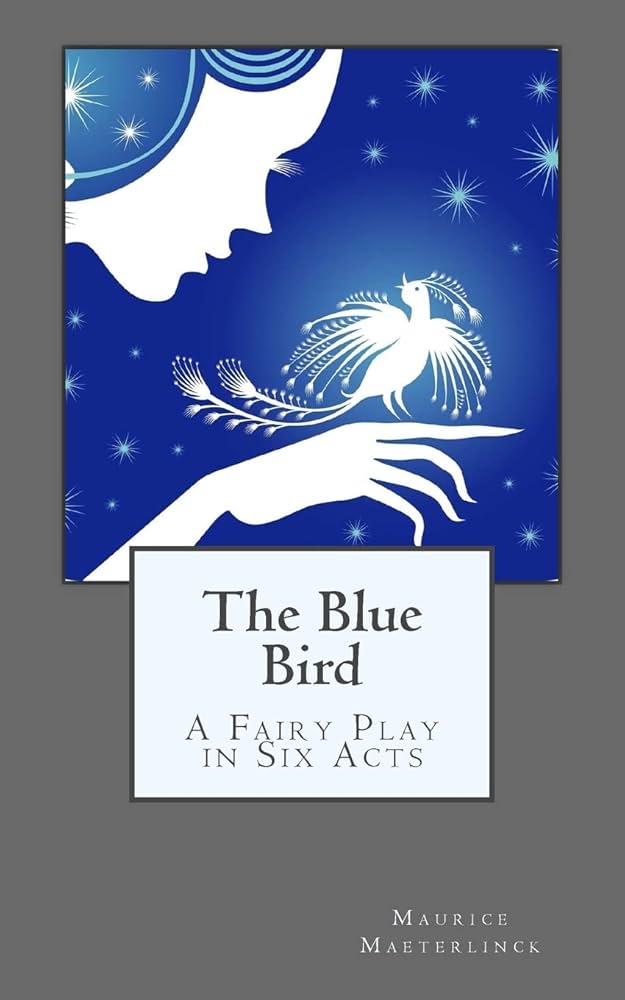
We close our Belgian Advent Calendar with Maurice Maeterlinck’s The Blue Bird—a play that captured the imagination of the entire world, that earned its author the Nobel Prize in Literature in 1911, and that continues, more than a century later, to ask us the most essential question: Where is happiness?
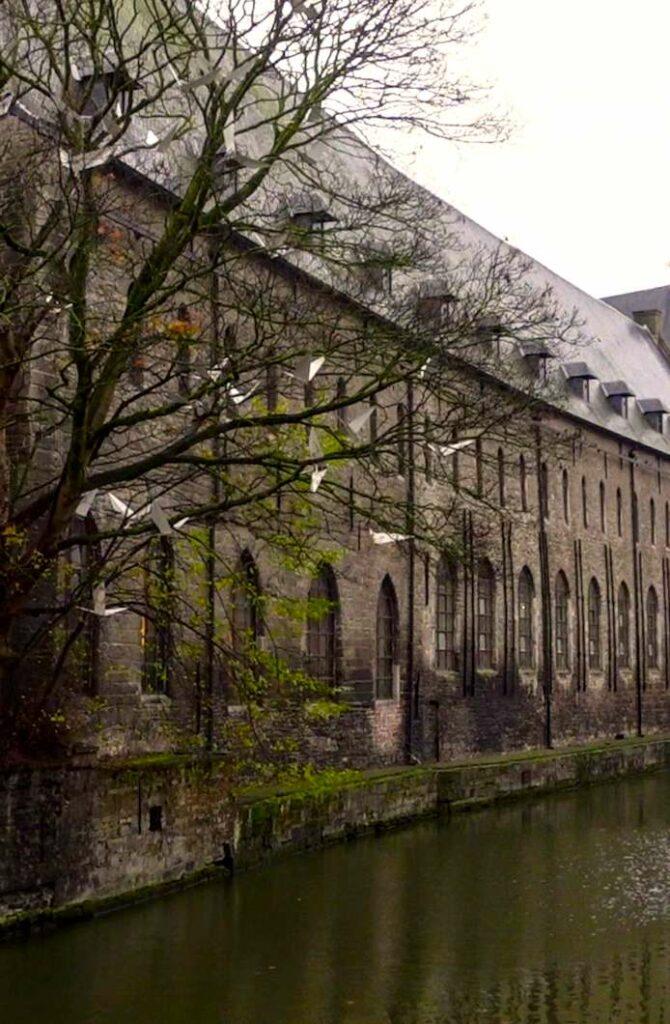
Born in Ghent in 1862, Maeterlinck was a poet, a mystic, and a playwright whose work shimmered with symbolism. He wrote in French but remained deeply rooted in the Flemish soul—that particular blend of pragmatism and dreaminess, of earthiness and transcendence. The Blue Bird premiered in 1908 at the Moscow Art Theatre under Stanislavski’s direction, and from there it spread like wildfire across stages in Paris, London, New York, and beyond. It became one of the most performed plays in the world, translated into dozens of languages, adapted into films and ballets and operas. Generations of children grew up with Tyltyl and Mytyl, the two young siblings at its heart, although the play isn’t specifically intended for children.
On Christmas Eve, two poor children are visited by a fairy who asks them to find the Blue Bird of Happiness for her sick daughter. To aid them in their quest, the fairy gives them a magic diamond that reveals the hidden souls of things—the souls of Bread, Sugar, Fire, Water, the family Dog and Cat, even Light herself. And so begins a journey through enchanted realms: the Land of Memory, the Palace of Night, the Kingdom of the Future, the Forest, the Graveyard.
But this is no ordinary fairy tale. Maeterlinck weaves into every scene a quiet, aching critique of the world as it was becoming—and as it still is.
In the Palace of Night, Tyltyl opens forbidden doors and releases into the world all manner of horrors: wars, plagues, sicknesses, shadows. It is a moment of profound unease, a recognition that humanity’s curiosity and ambition often unleash suffering. And yet, Maeterlinck does not despair. He shows us that even in the darkest cavern, Light remains—luminous, undimmed, unafraid.
In the Kingdom of the Future, unborn children wait to descend to Earth, some carrying gifts of invention and healing, others bringing destruction. It is both hopeful and haunting: a reminder that the future is not yet written, that we shape what is to come.
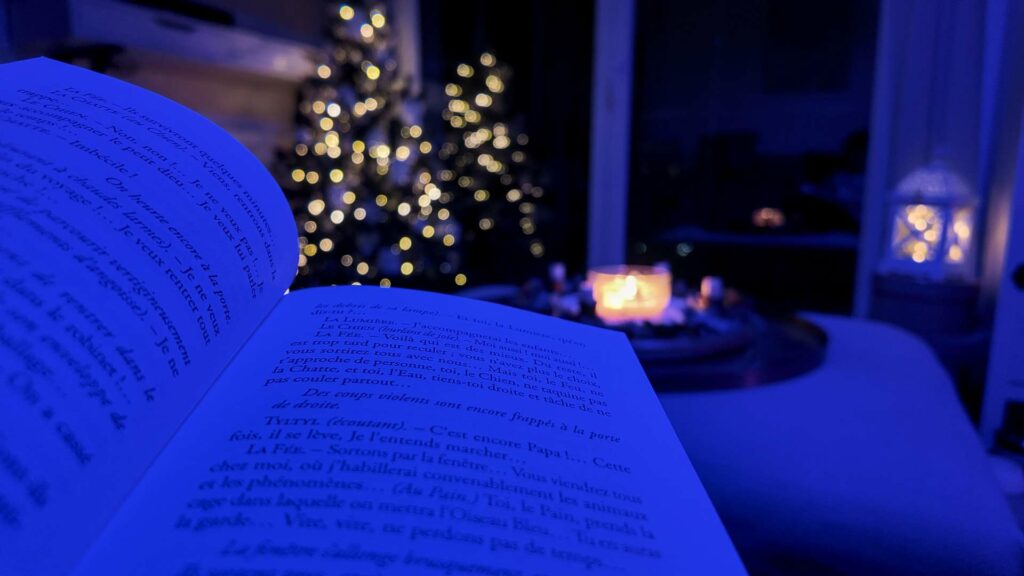
In the Graveyard, the children discover something extraordinary: the dead are not truly gone. When remembered with love, they awaken. The graves bloom with roses. Maeterlinck’s message here is crystalline—those we love live on in us, if we choose to keep them alive.
And in the Forest, the Trees and Animals rise up against Man, bitter and vengeful for centuries of exploitation and cruelty. It is one of the earliest literary warnings about humanity’s relationship with nature—a plea, gentle but urgent, to treat the Earth and its creatures with reverence rather than dominion.
Through it all, Tyltyl and Mytyl search for the Blue Bird. They catch glimpses of it—fleeting, radiant—but each time, it transforms or escapes. The happiness they seek always seems just out of reach.
Until, of course, they return home.
And there, in their own modest cottage, in the cage they’ve always known, is a bird. It has been blue all along. They simply hadn’t seen it.
Maeterlinck’s meaning is tender and unambiguous: Happiness is not distant. It is not earned through grand quests or magical lands. It is here—in love, in memory, in the small kindnesses we offer one another, in the light we choose to see.
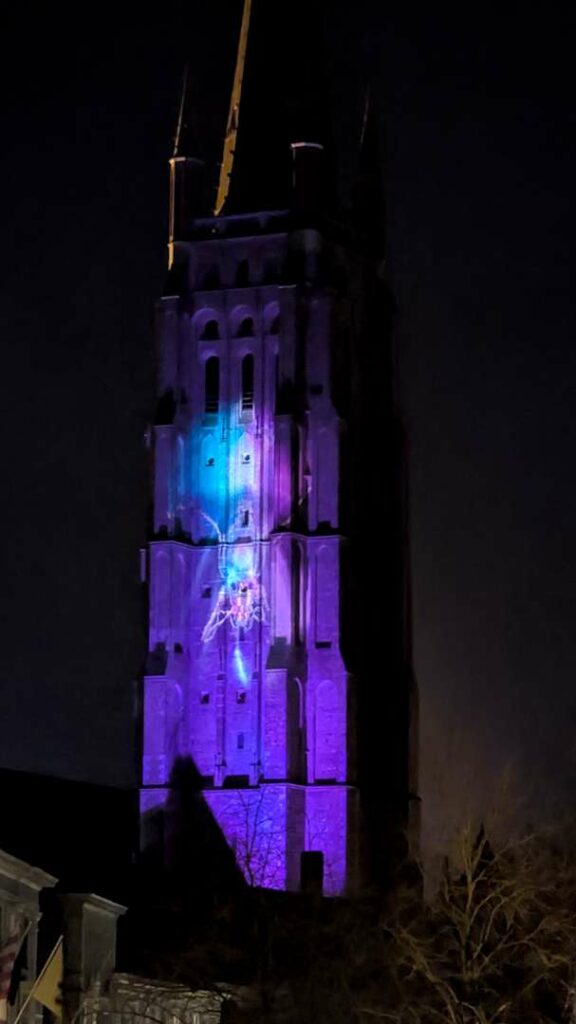
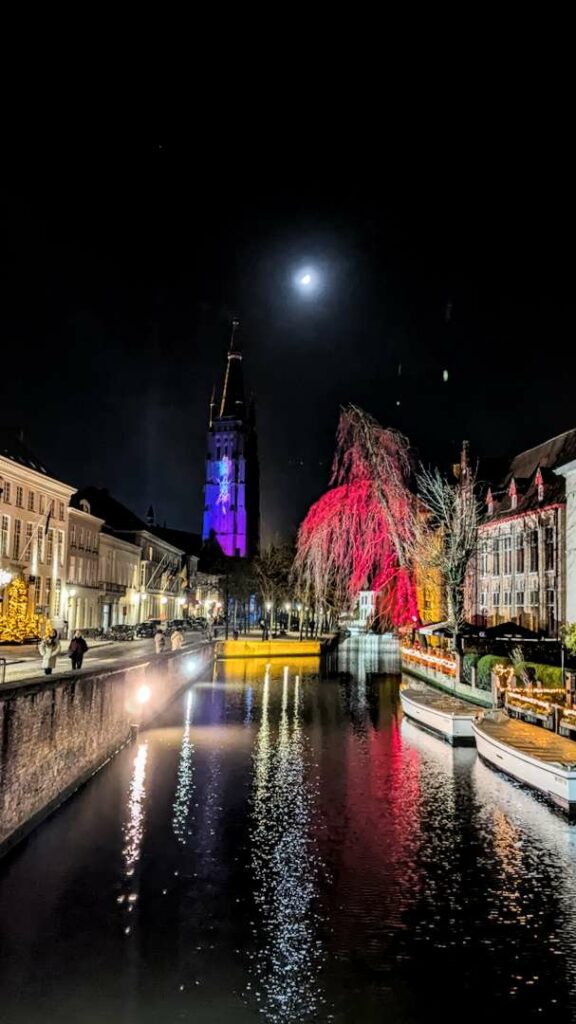
Just a few weeks ago, I walked through Bruges on a cold December night, following a trail of light called Machina Lumina. It was part of the city’s annual Winter Glow—a 3.5-kilometre journey through ten luminous installations scattered through unexpected corners of the old city. This year’s theme imagined light not as something given, but as something made—a precious creation, crafted step by step inside a mysterious, imaginary machine.
As I moved through the trail, I wasn’t merely a spectator. I was part of a common journey. Dozens of people moving along the trail, guided by blue lamp-posts along the way, who set light in motion with every moment of attentive presence. They awakened waves of colour. They brought invisible light to life with their own hands. It felt like walking inside a fairy tale—like stepping into a world where wonder is tangible, where each installation whispered its own secret, where the medieval city transformed into something both timeless and utterly new.
Walking through those illuminated streets, I kept thinking of Tyltyl’s magic diamond—the one that lets him see the hidden souls of everything around him. Because isn’t that what these light installations do? They ask us to see our familiar world differently, to recognize the extraordinary in what we thought we knew. They offer us, for one winter evening, the gift of re-enchantment. A reminder that the world is still full of mystery, still capable of astonishing us, if only we choose to see it.
And that, I think, is precisely what Maeterlinck offers us: not escapism, but a way of looking. A lens that transforms the ordinary into the miraculous.

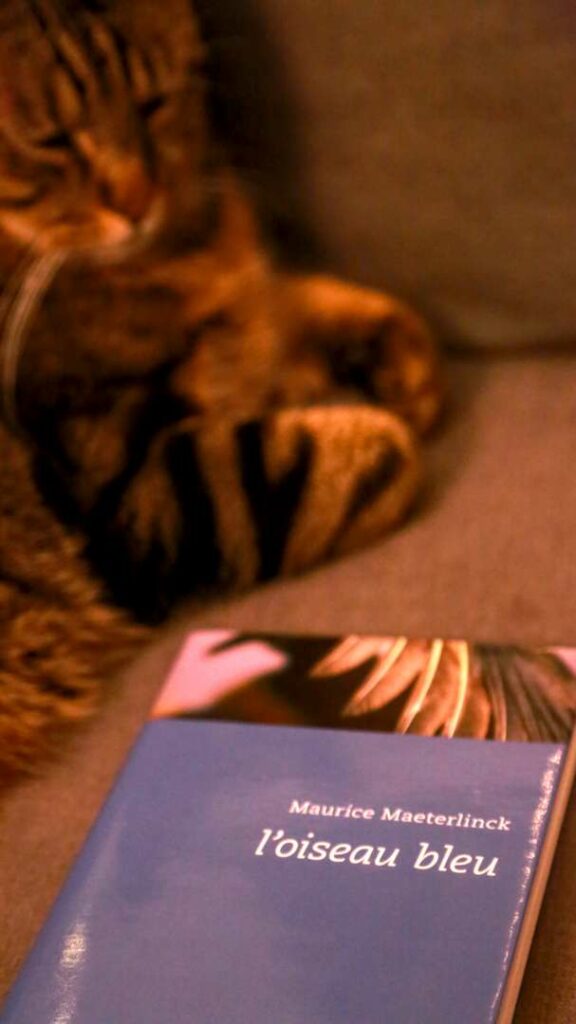

On this Christmas Eve, as the darkness deepens and the candles glow, I think of the Blue Bird. I think of Tyltyl and Mytyl waking on Christmas morning, holding something they’ve always had but never truly seen. I think of all the small lights we’ve followed together over these twenty-four days—through novels and poems, through fairy tales and histories, through bustling markets and silent museums, through recipes shared and stories told.
Belgium has revealed itself slowly, generously, like a book you didn’t expect to love but cannot now imagine living without. It is a country of thresholds and transformations, of quiet grandeur and unassuming brilliance. It is Hertmans and Simenon and Yourcenar. It is Maeterlinck’s fairies and Nothomb’s absurdities. It is chocolate and beer and waffles. It is light trails through medieval streets. It is history that breathes.
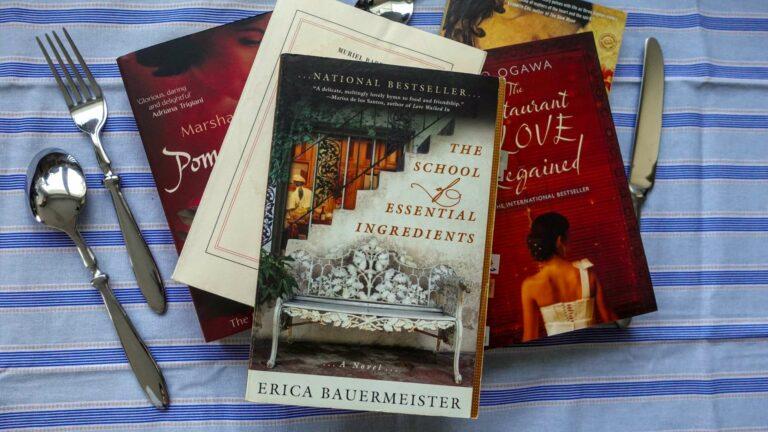
After twenty-four days of daily videos and newsletters, after seventeen books, four recipes, three Christmas markets, and two museums, Belgium has revealed itself to be the surprise we didn’t expect—a place that doesn’t shout, but whispers. A place that asks us to lean in, to pay attention, to see the blue bird that has been there all along.
Thank you for walking this advent road with me. Thank you for your curiosity, your kindness, your willingness to step into the unfamiliar and find there something luminous. I hope these twenty-four days have brought a little light into your December. I hope you’ve found your own blue bird—perhaps in a story, perhaps in a memory, perhaps simply in the act of pausing, just for a moment, to wonder.
From my corner of Belgium to wherever you are tonight, I wish you a Christmas filled with warmth, with love, with the quiet magic of seeing clearly for the first time what has always been yours.
Happy holidays. And may your own light shine brightly into the new year.
The journey ends here. But the light? The light goes on.

Written by Alexandra Poppy
Writer, reader & curator of The Ritual of Reading
I’m Alexandra, the voice behind The Ritual of Reading. Somewhere between a stack of novels and a half-finished pot of tea, I keep finding traces of the life I want to live—slower, richer, filled with stories. The Ritual of Reading is where I gather what I love: books that linger, places with a past, and rituals that make ordinary days feel a little more meaningful. I write from Paris, where elegant bookshops and old-fashioned cafés offer endless inspiration—and I share it here, hoping it brings a spark to your own days, too.