
A Literary Journey Through Seasonal Comfort
As the leaves begin their golden transformation and the air carries that first crisp whisper of autumn, I find myself naturally drawn away from the bright, cooling salads of summer toward something deeper, more nurturing. This seasonal shift isn’t just about comfort—it’s about honoring what our bodies truly need as we move into the introspective months ahead.
Ayurveda teaches us that food should be our medicine, and that what we eat should harmonize with the rhythms of nature and our own internal seasons. As the external world grows cooler and drier, our digestive fire—our agni—grows stronger, craving the warmth and substance that only slow-cooked, deeply nourishing foods can provide. This is the time for soups that simmer for hours, for stews rich with warming spices, for dishes that ground us against winter’s stark beauty.
But there’s another layer to this seasonal transition that speaks to more than just physical nourishment. Just as our bodies crave warmth, our souls seek the comfort of stories—tales that wrap around us like a favorite blanket, offering the deep satisfaction that comes from narrative richness and emotional depth. Literature and food share this profound ability to nurture: one feeds the imagination while the other sustains the body, yet both create that essential sense of being cared for, of being home.
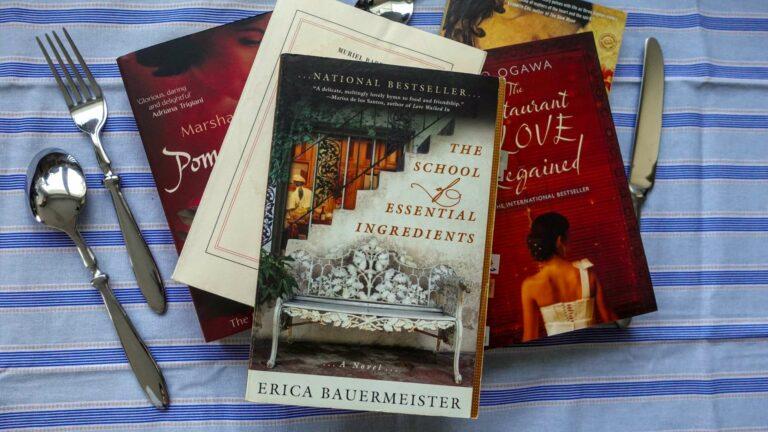
What follows is a collection of warming recipes, each inspired by a novel that has left its mark on my reading life. These dishes aren’t just meals—they’re invitations to slow down, to savor, to let both flavors and stories develop at their own unhurried pace. Just as a good book reveals its treasures gradually, these recipes reward patience, asking us to trust in the alchemy of time and gentle heat.
In a world that often rushes us toward quick solutions and instant gratification, these literary-culinary pairings offer something different: the profound satisfaction that comes from letting both stories and soups unfold in their own time, revealing their depths slowly, generously, completely.
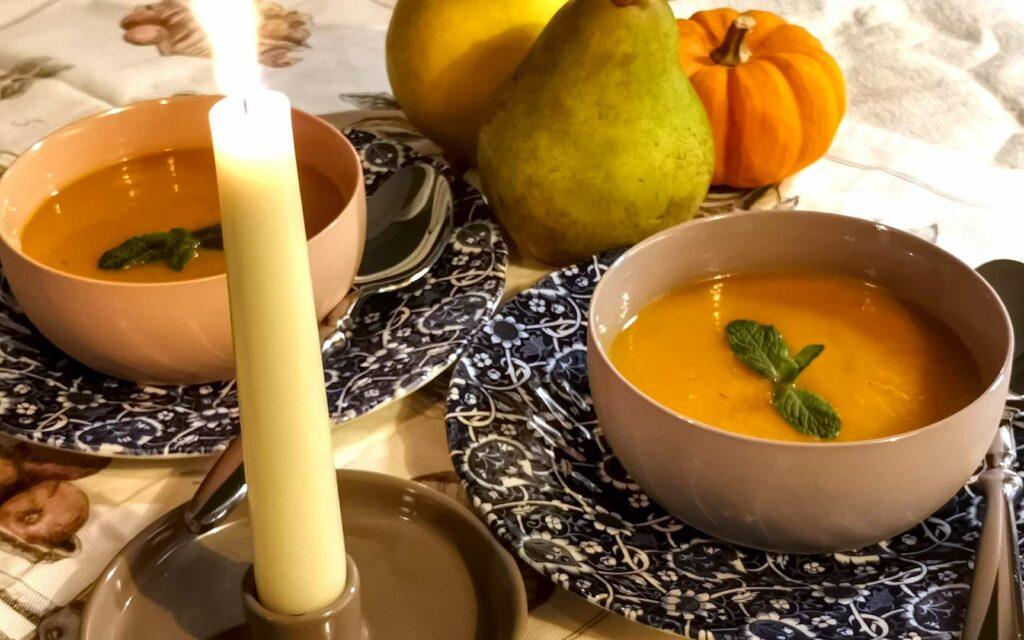
Elfride’s Autumn Reverie: Sweet Potato and Pear Soup
Inspired by Thomas Hardy’s “A Pair of Blue Eyes”
This golden-amber soup captures the bittersweet essence of Hardy’s Cornwall, where autumn light filters through changing leaves much like young love filters through the complications of the heart. The sweet potatoes provide an earthy foundation, while pears add an almost ethereal sweetness that dissolves into something both comforting and wistful. Like Elfride Swancourt herself, this soup balances warmth with a subtle melancholy, offering nourishment that satisfies both body and soul during those contemplative autumn evenings when the year begins its gentle surrender to winter.

Count Rostov’s Reverie: Latvian Stew
Inspired by Amor Towles’ “A Gentleman in Moscow”
Rich with dried apricots and prunes, this stew embodies the patient philosophy that guides Count Rostov through his elegant confinement at the Hotel Metropol. The pork shoulder transforms through hours of gentle cooking, while the dried fruits concentrate their summer sweetness into jewel-like intensity. Scented with smoked paprika and enriched by time itself, this dish teaches us that abundance comes not from excess but from the thoughtful appreciation of what we have—a lesson as valuable in the kitchen as it is in life.

The Pilgrim’s Porée: Medieval Root Vegetable Mash
Inspired by Geoffrey Chaucer’s “The Canterbury Tales”
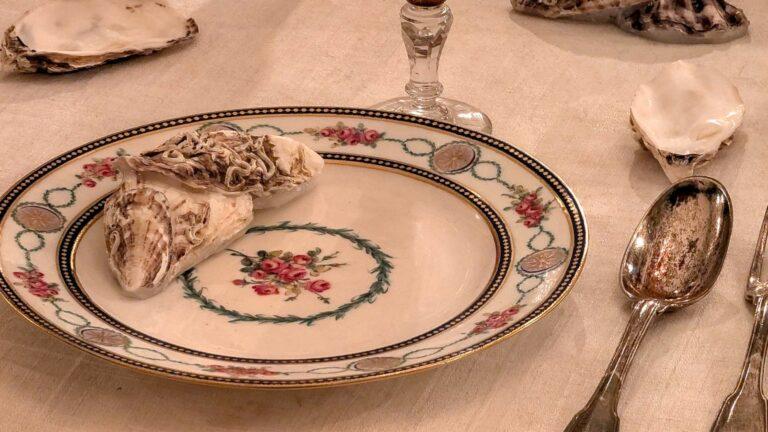
This ancient dish brings together winter’s humble roots—parsnips and rutabaga—in a harmony as democratic as Chaucer’s famous inn at Southwark. Cooked in an aromatic broth of bay leaves and thyme, then enriched with almond milk and a whisper of nutmeg, this porée transforms the ordinary into something memorable. Like the Canterbury pilgrims themselves, these simple ingredients reveal unexpected depths when given proper attention, creating a dish that could grace both peasant and noble tables with equal satisfaction.

The Major’s Melancholy: Austrian Saftgulasch
Inspired by Adalbert Stifter’s “Brigitta”
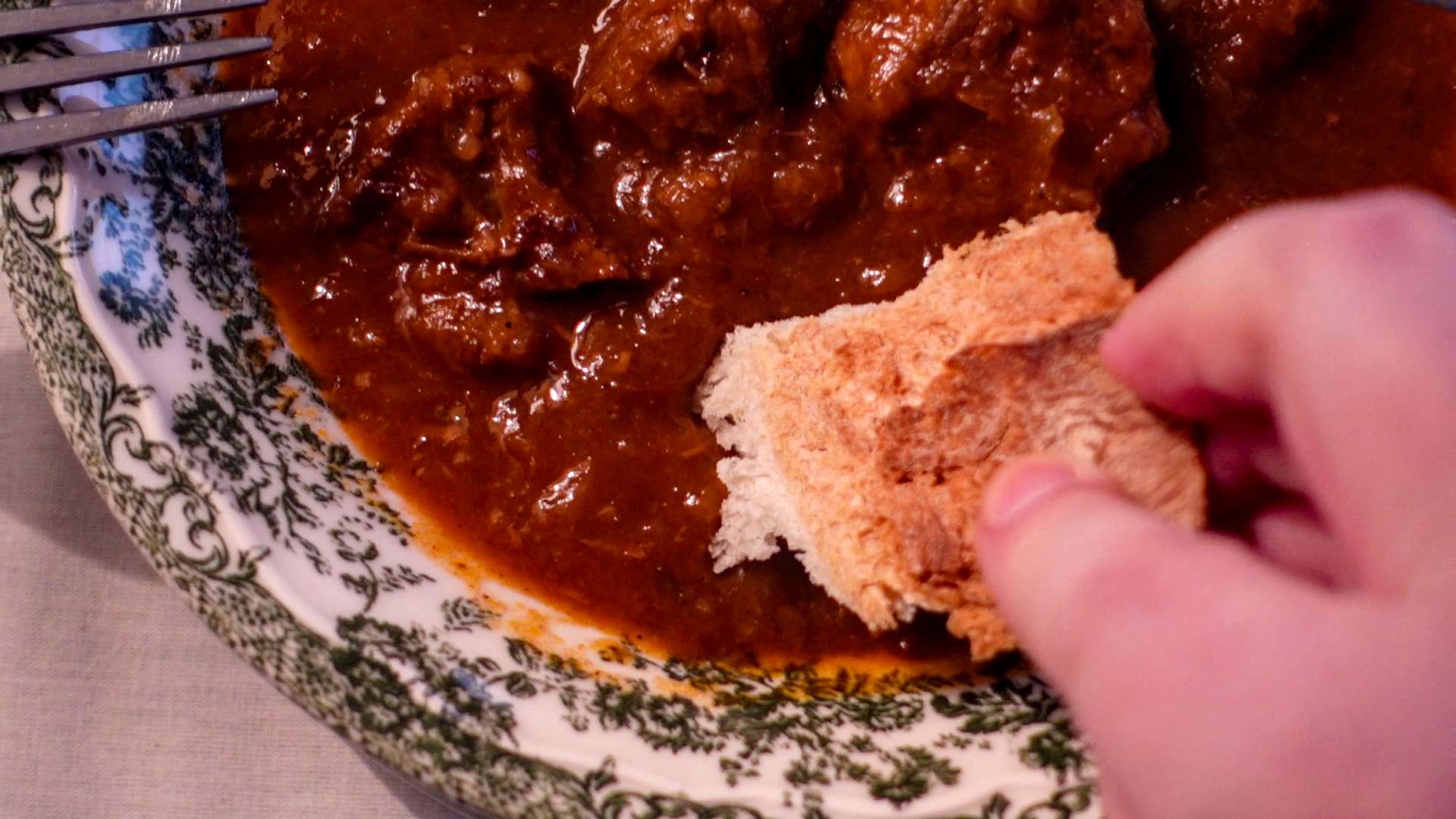
Built on the patient marriage of beef and onions in equal measure, this Austrian stew mirrors Stifter’s own literary style: spare, unhurried, finding profound depth in essential elements. The three-hour simmer allows flavors to develop with the same gentle persistence that guides the Major’s journey back to love. Sweet paprika provides warmth without flash, while the rich, concentrated sauce speaks of endurance—both of cooking and of the human heart’s capacity to find its way home.
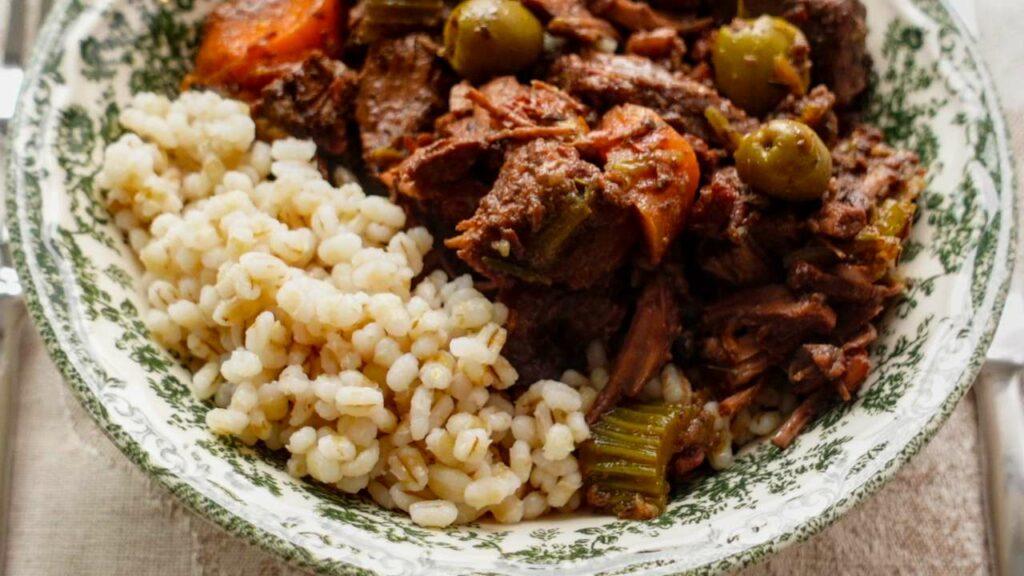
Pagnol’s Mountain Memories: Daube Provençale
Inspired by Marcel Pagnol’s “My Father’s Glory”
This sun-soaked stew carries within it all the warmth and generosity of Pagnol’s beloved Provence. Twenty-four hours of marinating in good red wine builds anticipation like those childhood nights before adventures in the garrigue. Green olives and sun-dried tomatoes bring Mediterranean sunshine directly to the pot, while wild herbs—including that precious sarriette that grows only in these mountains—transform the dish into something that tastes of landscape itself. Four hours of gentle cooking yields beef so tender it falls apart like the sweetest memories of childhood summers.
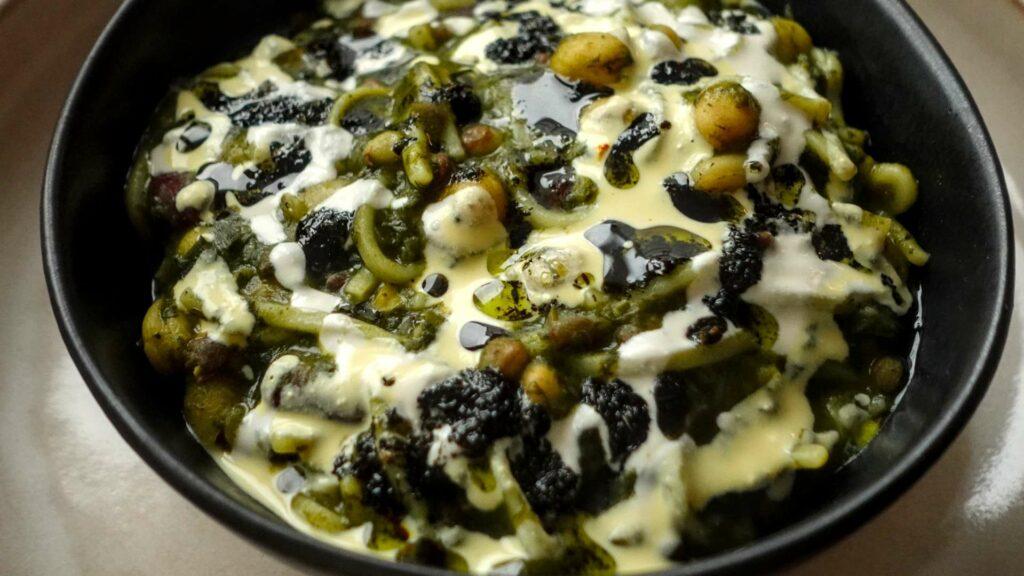
The Sisters’ Spring Sanctuary: Ash Reshteh
Inspired by Marsha Mehran’s “The Pomegranate Soup”
Emerald-green with hope and fragrant with abundance, this Persian soup speaks the universal language of nourishment and love. Seven cups of fresh herbs might seem excessive, but like the generous hearts of Mehran’s three Iranian sisters, this soup believes in abundance as a form of healing. The complex interplay of beans, greens, and aromatic toppings—kashk with saffron, crackling fried mint—creates bridges between worlds, showing how some gifts from foreign kitchens are too precious to resist.
As the days grow shorter and the nights draw closer, these recipes offer more than sustenance—they provide ritual, comfort, and connection. Each one invites us to slow down, to honor both the changing season and the timeless human need for warmth, story, and the profound satisfaction that comes when food is prepared with patience and love.
So light a candle, open a book, and let something wonderful simmer on the stove. Let the kitchen fill with good aromas while your imagination travels to distant places and times. In this way, we nourish both body and soul, creating our own small sanctuary against the cold, our own celebration of the season’s quiet gifts.

Written by Alexandra Poppy
Writer, reader & curator of The Ritual of Reading
I’m Alexandra, the voice behind The Ritual of Reading. Somewhere between a stack of novels and a half-finished pot of tea, I keep finding traces of the life I want to live—slower, richer, filled with stories. The Ritual of Reading is where I gather what I love: books that linger, places with a past, and rituals that make ordinary days feel a little more meaningful. I write from Paris, where elegant bookshops and old-fashioned cafés offer endless inspiration—and I share it here, hoping it brings a spark to your own days, too.