
Belgian Advent Calendar – Day 19
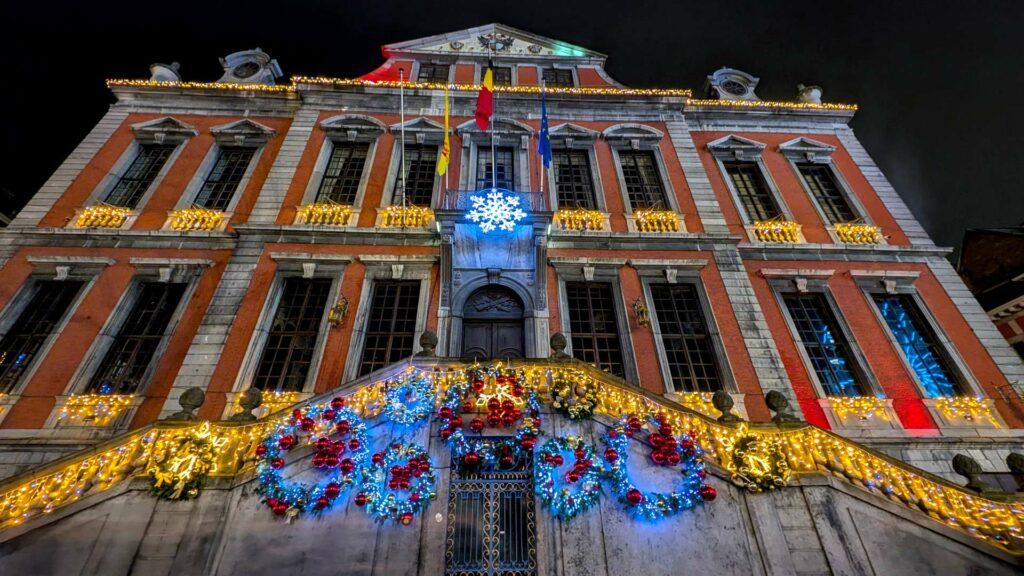
After Ghent’s golden towers and Bruges’ brass bands echoing through medieval streets, after Brussels’ grand squares and melancholic songs, it was time to cross an invisible border—the one that separates Belgium’s two souls. Time for an incursion into Walloon territory, where the Christmas spirit burns brightest at the oldest, largest Christmas market in all of Belgium: the Village de Noël in Liège.
I arrived through the cathedral of steel and glass that is Liège-Guillemins station—Santiago Calatrava’s swooping, impossibly elegant creation that feels less like a train station and more like the ribcage of a dinosaur that decided to settle gracefully into the Walloon hills. It’s a fitting introduction to a city that surprises at every turn: gritty and gorgeous, industrial and intimate, a place that doesn’t announce itself with the polish of Bruges or the grandeur of Brussels, but invites you in with open arms and says, simply, bienvenue.
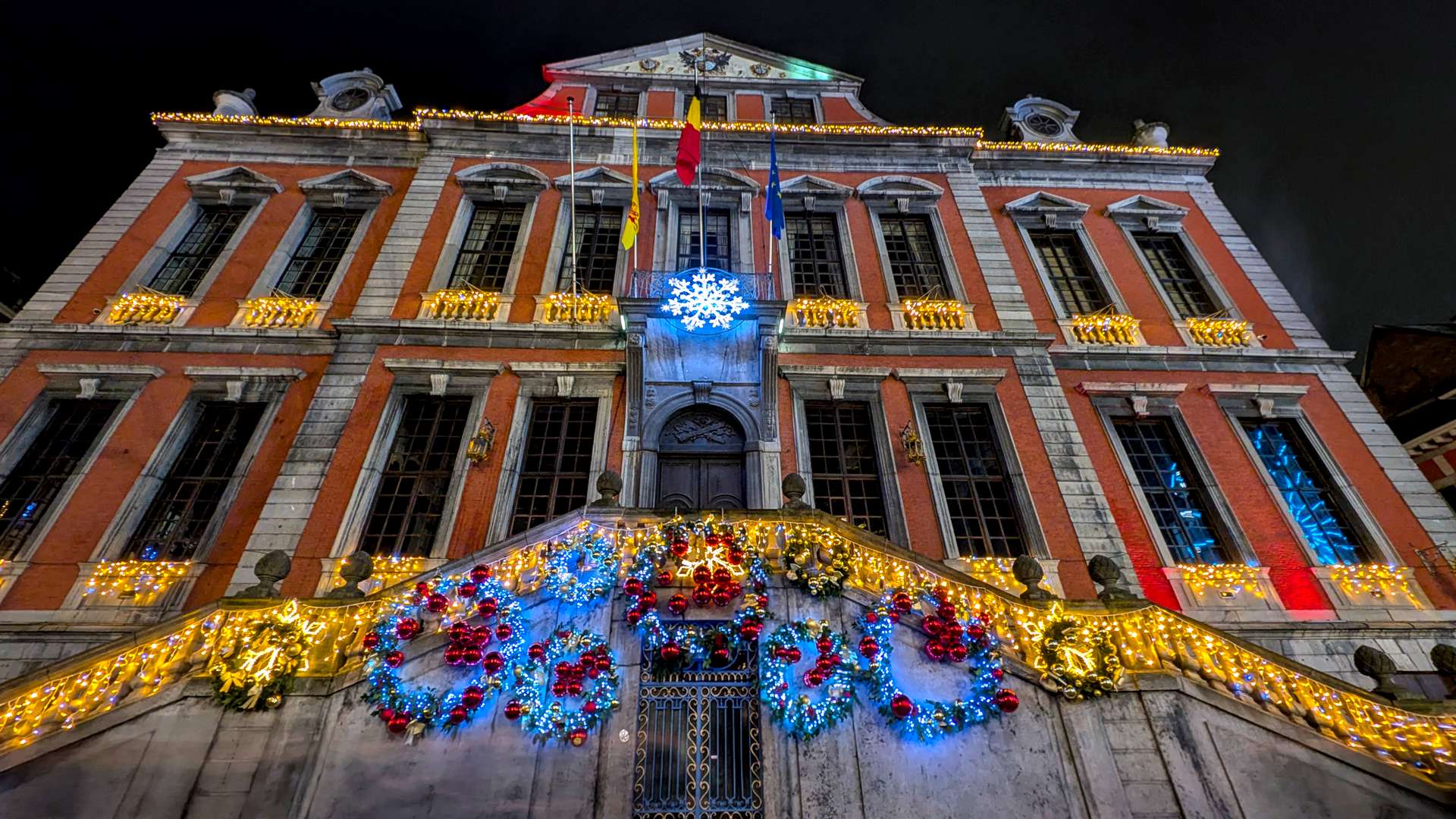
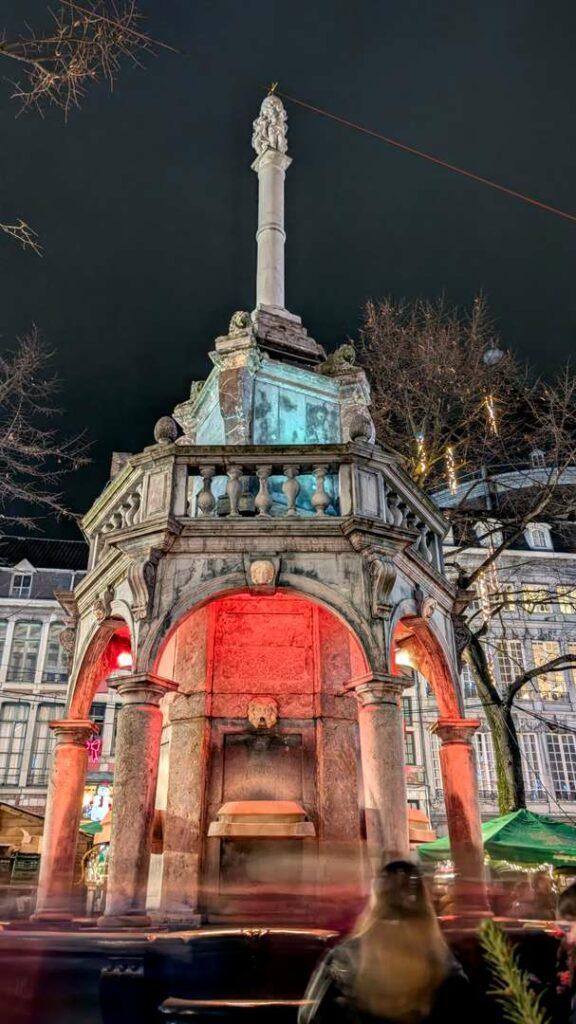
Liège wears its Christmas on its sleeve. While other Belgian cities host markets, Liège practically becomes one. The Village de Noël sprawls through the city center—over 200 chalets lining the streets, lights strung like constellations between buildings, the smell of roasted chestnuts and mulled wine hanging heavy in the winter air. This market has been here for decades, growing year by year, until it became not just an attraction but a pilgrimage. Walloons come from across the region, families return year after year, and the city pulses with a particular kind of joy.
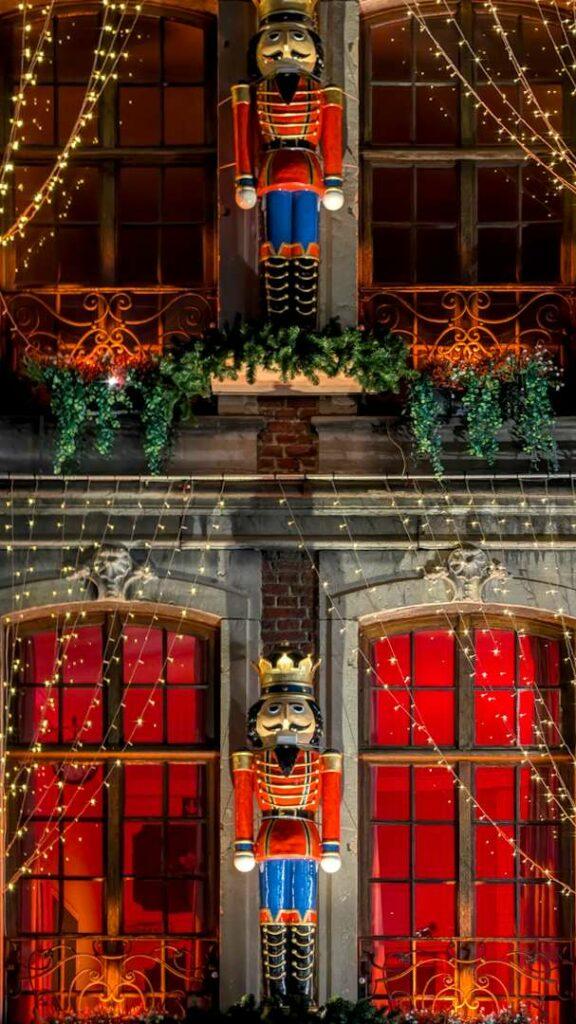
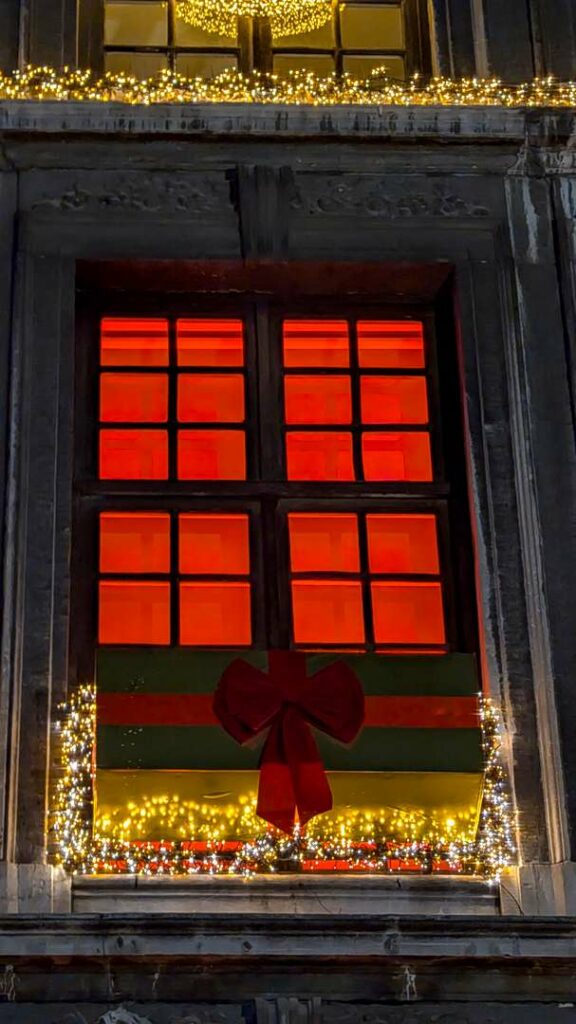
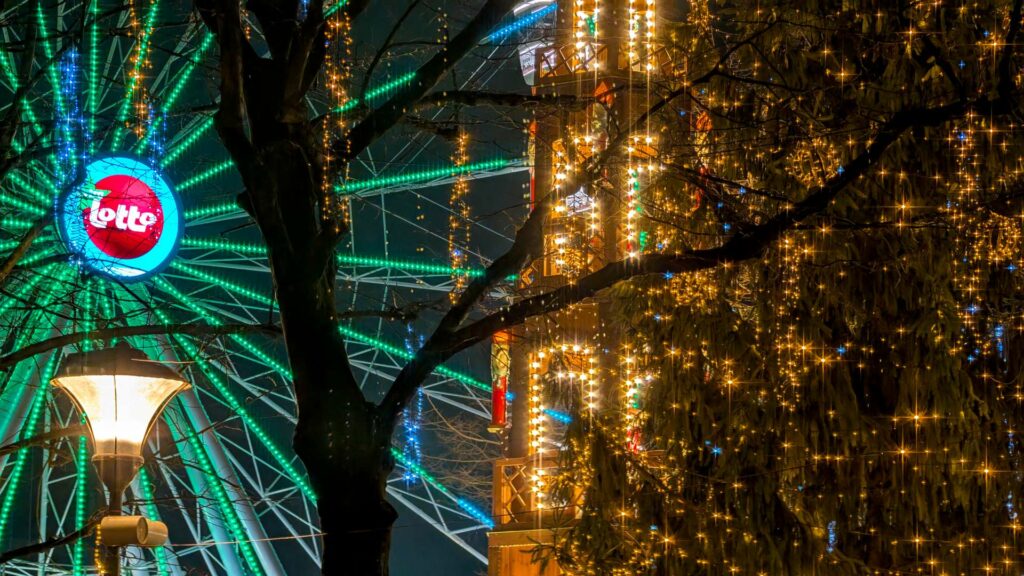
There’s a tradition here, in Wallonia, of the Saint-Nicolas procession—though by mid-December, the focus has shifted entirely to the anticipation of Christmas itself. Homes are decorated with nativity scenes, often elaborate and lovingly assembled. Families gather around the table for réveillon, the Christmas Eve feast, where the meal stretches long into the night and conversation flows as freely as the wine. But before the feast, before the church bells ring at midnight, there are the markets—and in Liège, that means lights, song, and sugar in its most perfect form.
I wandered through the chalets as darkness fell, the cold biting at my cheeks, my breath visible in the air. Vendors called out in melodious French, selling everything from handmade ornaments to tartiflette bubbling in cast iron pans. There was an ice skating rink at the heart of it all, and beside it, a brass band—bundled in scarves and winter coats—playing Christmas carols with the kind of joyful abandon that only comes from musicians who genuinely love what they’re doing. Vive le Vent (Jingle Bells) drifted through the square, and I found myself smiling despite the cold, despite the crowds. This is what December should feel like.
But I wasn’t there just for the lights or the music. I was there for the waffle.
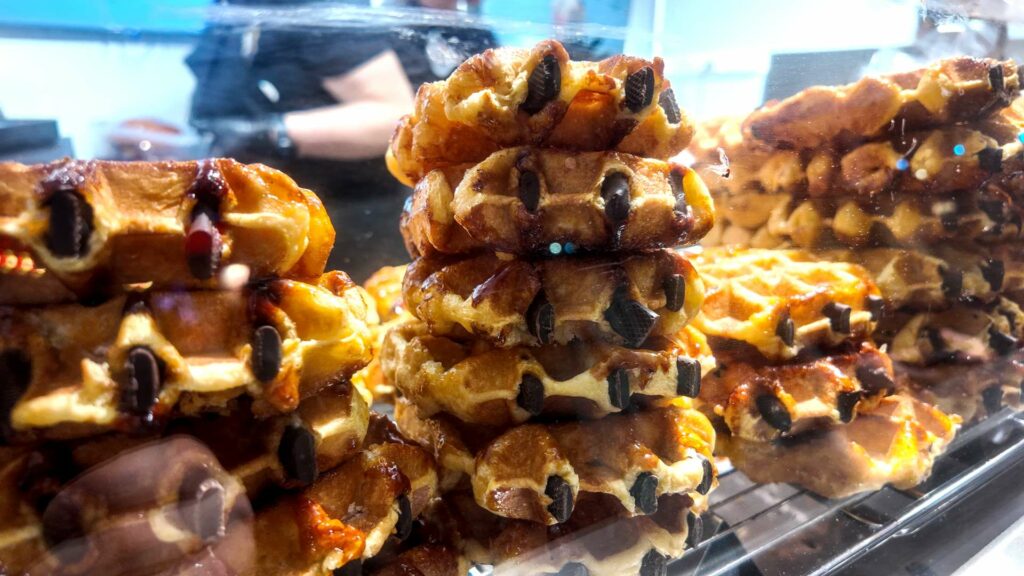
We’ve already discussed the Brussels waffle—that elegant, airy creature meant to be eaten with a fork, dressed in cream and berries like a lady going to the opera. The Liège waffle is its country cousin: smaller, denser, sweeter, unapologetically indulgent. It’s a waffle that doesn’t need accompaniment, doesn’t require ceremony. It is, quite simply, perfection on its own.
The Liège waffle is made with a brioche-like dough—thicker, richer, studded with pépites de sucre, chunks of pearl sugar that caramelize as the waffle cooks, creating pockets of crunchy sweetness against the soft, buttery interior. It’s meant to be eaten in hand, warm, straight from the press. No toppings. No fuss. Just dough, butter, sugar, and heat.
I went to the most famous spot in the city center—a stand that’s been there for as long as anyone can remember—and stood in line, letting the smell of caramelizing sugar and melting butter wash over me like a benediction. The brass band played on. People passing by towards their next shopping destination. And when the waffle was finally pressed into my hands, wrapped in paper and still steaming, I took that first bite and understood immediately why people are so fiercely loyal to the Liège version. The sugar crackled between my teeth. The dough was rich, almost pillowy, with a hint of vanilla so subtle you might miss it if you weren’t paying attention. It was sweet but not too sweet, indulgent without being heavy. It was joy in edible form.

But here’s the secret I learned: as good as that waffle was, warm from the press in the heart of the market, it wasn’t the best one I tasted in Liège.The next morning, with just minutes before my train back to Paris, I stopped at Eggenols—a bakery dating back to 1930, just a few steps from the train station. It was early Sunday morning, nobody in sight, the shop unassuming, and I bought a waffle to take with me, not expecting much. After all, how could a cold waffle, hours old, compete with one fresh from the iron?
Back home, I reheated it over my bread toaster—hardly the most sophisticated method—and prepared myself for disappointment. But that first bite was memorable.
This was something else entirely. Maybe a bit more eggy, richer somehow, but at the same time lighter than the night-market version. The dough felt more elaborate in a way. The sugar caramelized perfectly under the toaster’s heat, and that hint of vanilla—subtle, almost shy—came through just enough to make you pause and think, what is that? It was perfection. Not dressed up, not decorated, presented with the simple ceremony of a Christmas plate. Just a waffle, doing exactly what a waffle should do: making you forget, for a moment, that the world is anything but sugar and warmth.

This is the difference, I think, between Brussels and Liège—not just in their waffles, but in their spirits. Brussels is elegant, composed, a little melancholic. It gives you beauty and asks you to contemplate it. Liège is unabashed, generous, joyful. It hands you something sweet and says, enjoy this, don’t overthink it, just be happy. Both are wonderful. Both are necessary. And standing there in my own kitchen, with a waffle from a ninety-year-old bakery in a city I’d only just met, I felt absurdly grateful for both.
Belgium, after all, is a small country with a big heart—or maybe two hearts, beating in different rhythms, each beautiful in its own way. And somewhere in between, on a winter night in a Christmas market, with brass bands playing and sugar caramelizing and lights strung like promises across the sky, you find something that transcends the border entirely: the simple, profound pleasure of being exactly where you are, in the cold and the dark, surrounded by people who are there with you, just for the pleasure of the season.
Join me tomorrow for another literary discovery of Belgian charm.
Merry Advent!

Written by Alexandra Poppy
Writer, reader & curator of The Ritual of Reading
I’m Alexandra, the voice behind The Ritual of Reading. Somewhere between a stack of novels and a half-finished pot of tea, I keep finding traces of the life I want to live—slower, richer, filled with stories. The Ritual of Reading is where I gather what I love: books that linger, places with a past, and rituals that make ordinary days feel a little more meaningful. I write from Paris, where elegant bookshops and old-fashioned cafés offer endless inspiration—and I share it here, hoping it brings a spark to your own days, too.