

To Live Among
Others
On courtesy, civilization and the quiet discipline of being someone — not just anyone
— in the presence of others.
A Question for Our Time
Every culture has its own word for it. The British speak of courtesy. The French of savoir-vivre. The Italians of garbo. The Spanish of educación. The Romanians of bun simț — good sense, in the most literal translation. Different words, different emphases, different histories. And yet the same underlying conviction: that life among others is not something that happens to us, but something we must learn to do.
This series reads etiquette in its original languages — not to compile a list of rules, but to understand what each tradition quietly reveals about what a society considers worth protecting.
Four Articles & An Essay-Video
The Complete Series
Six cultural traditions. One essential question.

In Defense of Good Manners: Why Etiquette is the Secret to Modern Freedom

On English and American Etiquette: What Courtesy Reveals About a Society
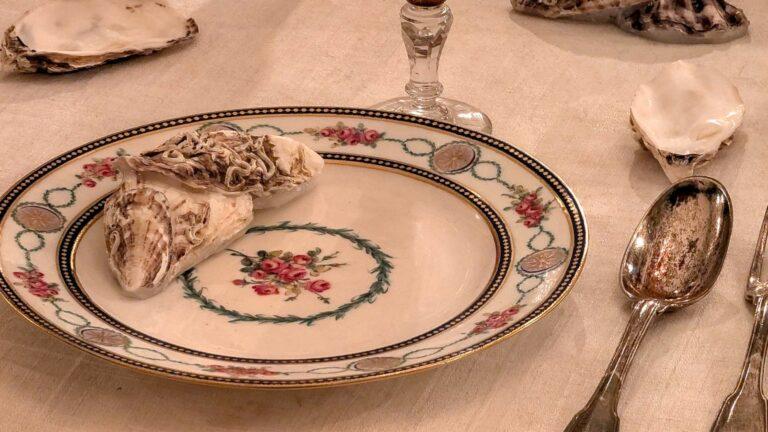
French Savoir-Vivre: An Etiquette That Survived the Revolution
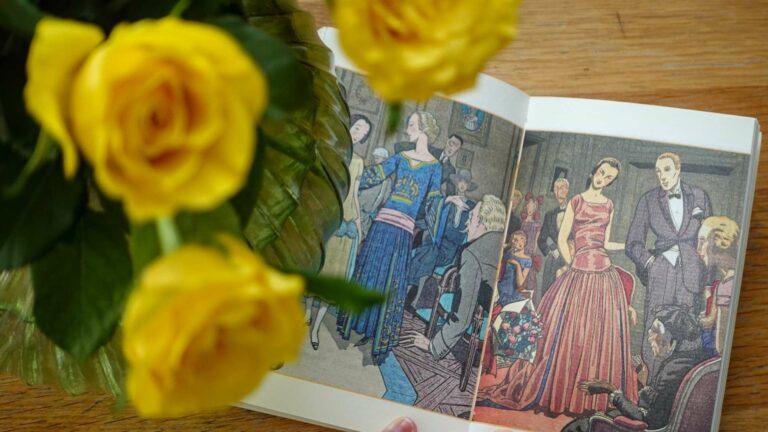
The Latin Soul of Manners: A Journey Through Romania, Italy and Spain
Essay-Video
The Art of Living
Among Others
A visual meditation on human coexistence.
Filmed at the Charles X Ball, Hôtel de la Marine — civilization as choreography.
This Is Not
Nostalgia.
It Is Memory.
The argument of this series is simple and radical: that good manners are not a relic of hierarchy but one of the conditions of freedom. That etiquette is not performance — it is discipline. And that in a world increasingly shaped by speed and anonymity, the recovery of form is an act of resistance.
Not the memory of a time, but of a knowledge once widely understood: that to live among others, we must first learn how to be someone — not just anyone — in their presence.
Form protects freedom
Without shared rituals, interaction did not become freer — it became faster, flatter, more abrupt. Less protected.
Restraint is not submission
Consideration is not weakness. A functioning society depends on small, often invisible acts of care.
Dignity is practiced, not granted
Respect is not declared, but embodied. Humanity is not an abstraction, but a daily choreography.
Etiquette as cultural mirror
The rules of different societies reveal what each culture quietly values, what it protects, what it assumes — details often flattened in translation.
“The future of civilization will not be decided by technology,
or productivity, or efficiency.
It will be decided by how we live among each other.”
— From the Essay-Video, The Art of Living Among Others
Continue the
Conversation
Essays on books, culture, and the art of living — delivered with care, never in haste.
Join readers who take literature seriously.