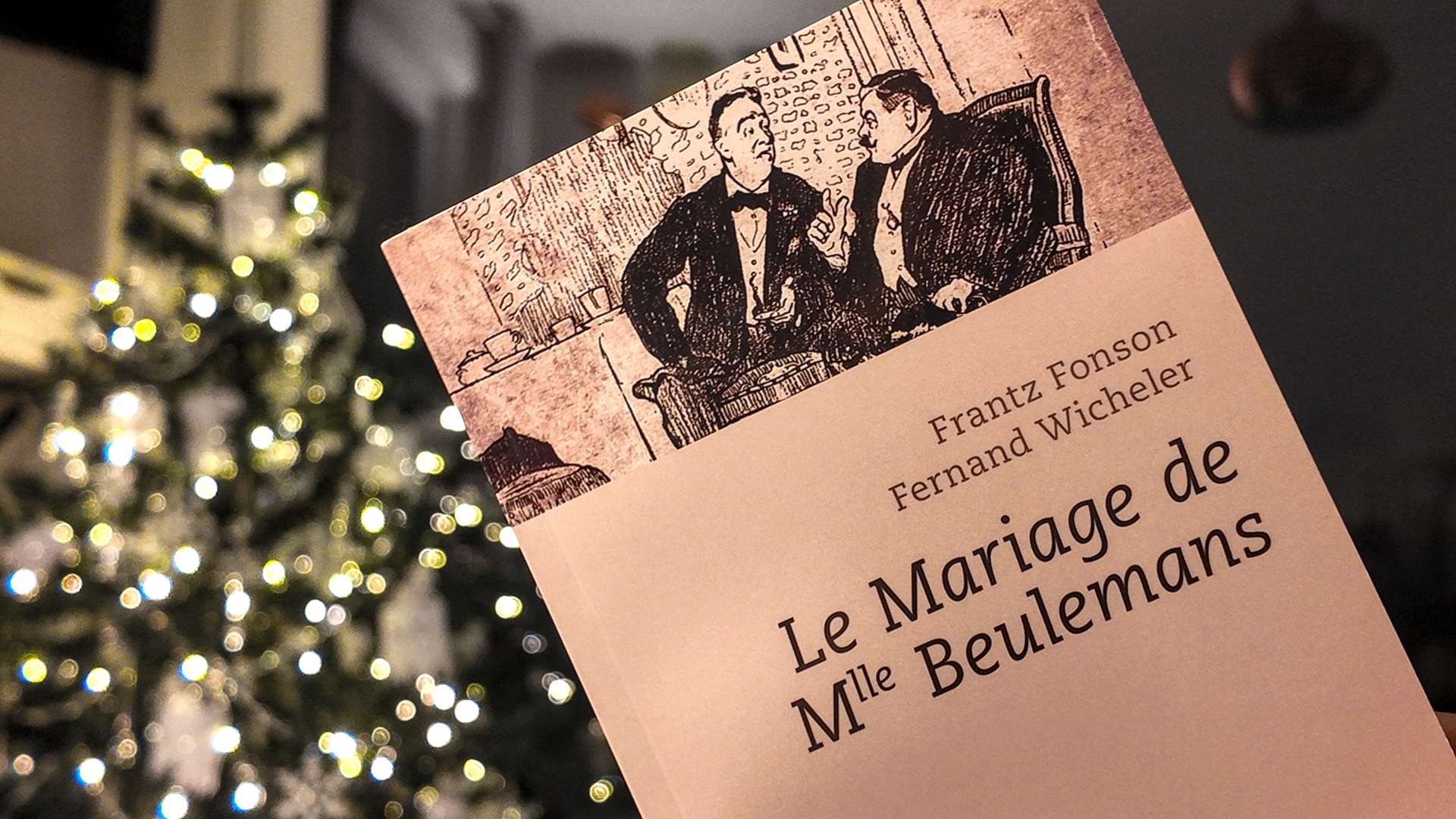
Belgian Advent Calendar – Day 18
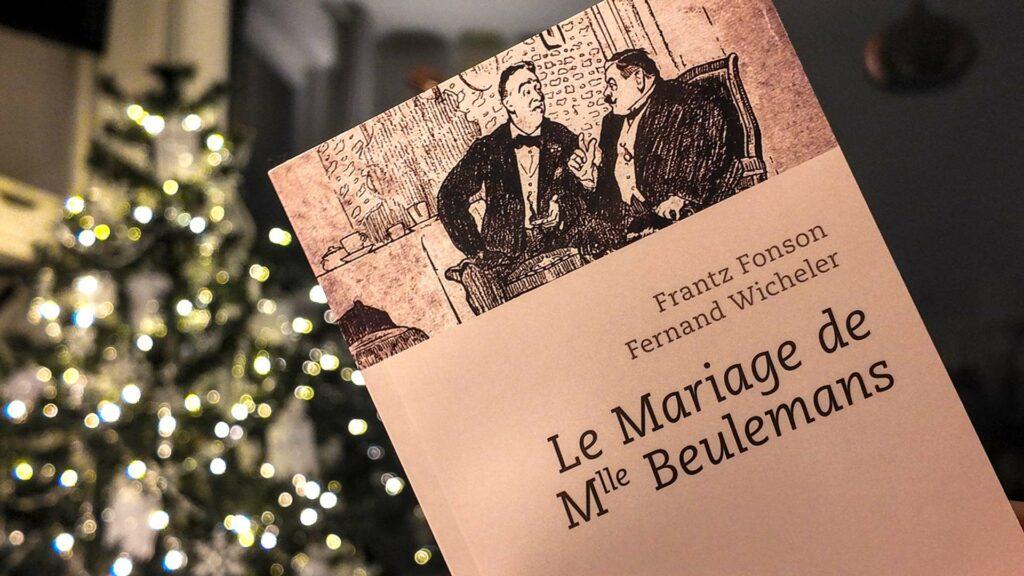
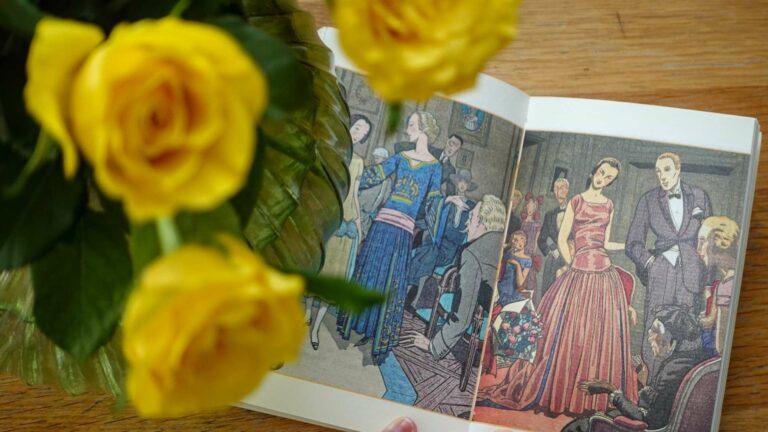
I’m imagining myself sitting in a Brussels brasserie with a glass of cold beer and a well-worn copy of The Marriage of Mademoiselle Beulemans, and I can’t stop smiling. Every few pages I have to pause because I’m laughing too hard to continue, and the couple at the next table keeps glancing over, probably wondering what on earth I’m reading that’s so funny.
The answer is a 1910 comedy that should, by all rights, feel impossibly dated. Instead, it feels like the most perfect winter entertainment I could have asked for.
Let me explain. As someone whose French is very much the French of metropolitan France—proper, measured, with regional variations that I can master—encountering the Brussels dialect and humor of Fernand Wicheler and Frantz Fonson was like discovering an entirely new language hiding inside one I thought I knew. The play is written in brusseleir, that wonderful mixture of French and Flemish that gives Brussels its particular flavor, and even reading it on the page you can hear the music of it, the way the characters roll their words around, the rhythm that’s completely unlike anything you’d hear in Paris.
Within just a few pages, I was transported. Not to some grand theatrical spectacle, but to something warmer and more intimate—that turn-of-the-century Brussels atmosphere where families gathered around dinner tables, where neighborhood brasseries were the center of social life.

This is exactly what I need in December. When the year gets heavy, when we’ve all been too serious for too long, when the darkness comes early and stays late, sometimes what you want most is permission to laugh. To stop being so measured and controlled. To let a ridiculous comedy from 1910 remind you that people have always been people—vain, foolish, lovable, complicated.
The plot centers on Suzanne Beulemans, daughter of a prosperous Brussels beer dealer, who is betrothed to Séraphin Meulemeester, son of a rival businessman. It’s the kind of arranged marriage designed to unite two brewing empires, to end a rivalry, to make good business sense. But there’s a problem—actually, several problems. Séraphin has a secret: a mistress and a son. And Suzanne has developed feelings for someone else entirely: Albert Delpierre, a young Parisian who’s come to Brussels to learn the art of the business from her father.
What follows is a delicious tangle of secrets, wounded pride, family conflicts conducted over dinner tables, and the kind of comic chaos that only happens when people try to maintain appearances while everything is falling apart beneath the surface. The love triangle becomes the least of anyone’s worries as fathers clash, uncles try to mediate, and the whole elaborate machinery of family honor threatens to collapse.
But here’s what surprised me most—beneath all the laughter, beneath the dialect humor and the farcical situations, the play is actually saying something true about life. About how families work, about the gap between what we say we want and what we actually need, about the way love stubbornly insists on complicating even the most carefully arranged plans.
I keep thinking about how much Belgian entertainment seems to understand this balance—comedy that doesn’t apologize for being funny, that doesn’t feel the need to be cynical or dark to be taken seriously, but that still manages to capture something essential about human nature. The play became a phenomenon when it premiered. It ran for years, was adapted into multiple films, became part of Brussels cultural identity. People quoted lines to each other. The characters became archetypes. And even now, reading it more than a century later, you can feel why. It’s not just that it’s funny—though it absolutely is—it’s that it creates a world you want to spend time in, where the stakes are high enough to matter but low enough that you know everything will work out, where the laughter comes from recognition rather than cruelty.

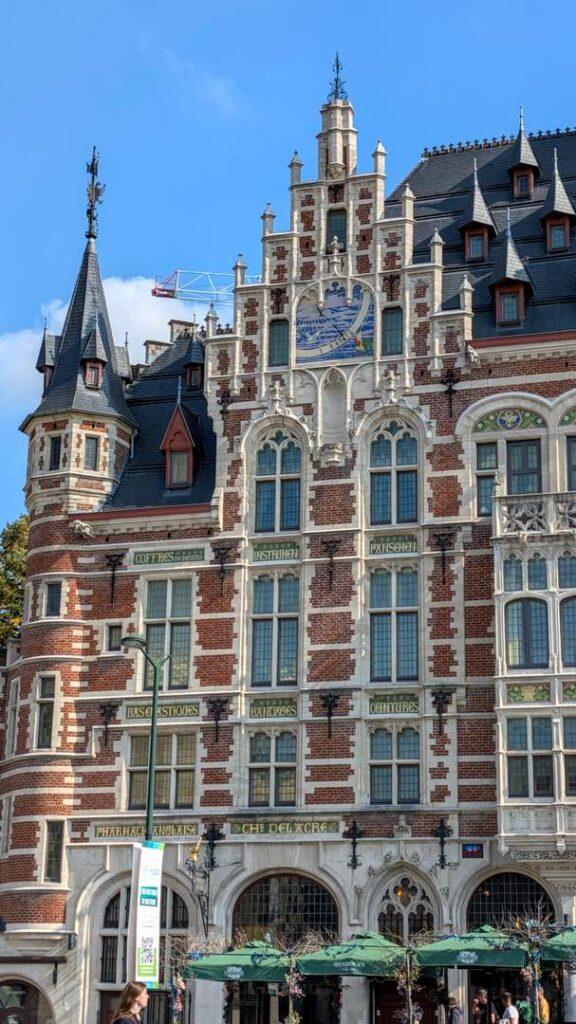
If you’re looking for something light and whimsical this holiday season, something that will make you laugh without making you feel guilty about it, track down Le Mariage de Mademoiselle Beulemans. It exists in various editions and translations and was adapted for the stage all over the world. Let yourself sink into that early twentieth-century brasserie atmosphere. Let the Beulemans family and their chaotic wedding negotiations remind you that comedy doesn’t have to be sophisticated to be smart.
Sometimes what we need most is permission to be delighted by something simple. To laugh at arranged marriages going wrong and the complications that arise when business and love refuse to stay in their separate corners. To remember that long before we were all being so serious and controlled, people in Brussels were drinking good beer, and putting on plays that captured something essential about the joy and absurdity of being human.
See you tomorrow for another Belgian adventure, this time at the heart of Belgian Christmas magic ! Until then, Merry Advent !

Written by Alexandra Poppy
Writer, reader & curator of The Ritual of Reading
I’m Alexandra, the voice behind The Ritual of Reading. Somewhere between a stack of novels and a half-finished pot of tea, I keep finding traces of the life I want to live—slower, richer, filled with stories. The Ritual of Reading is where I gather what I love: books that linger, places with a past, and rituals that make ordinary days feel a little more meaningful. I write from Paris, where elegant bookshops and old-fashioned cafés offer endless inspiration—and I share it here, hoping it brings a spark to your own days, too.