
A Flemish Ritual in the Kitchen
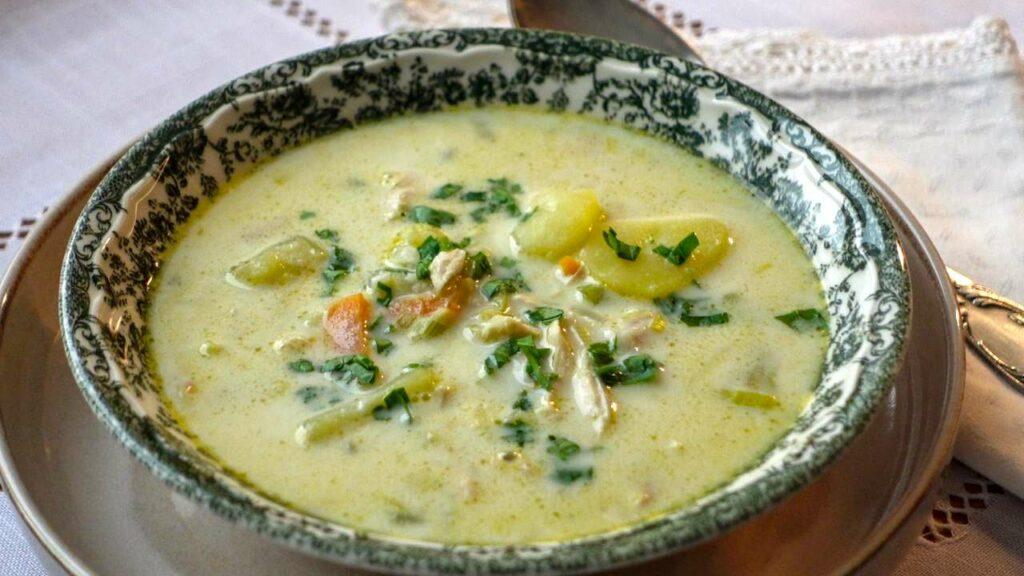
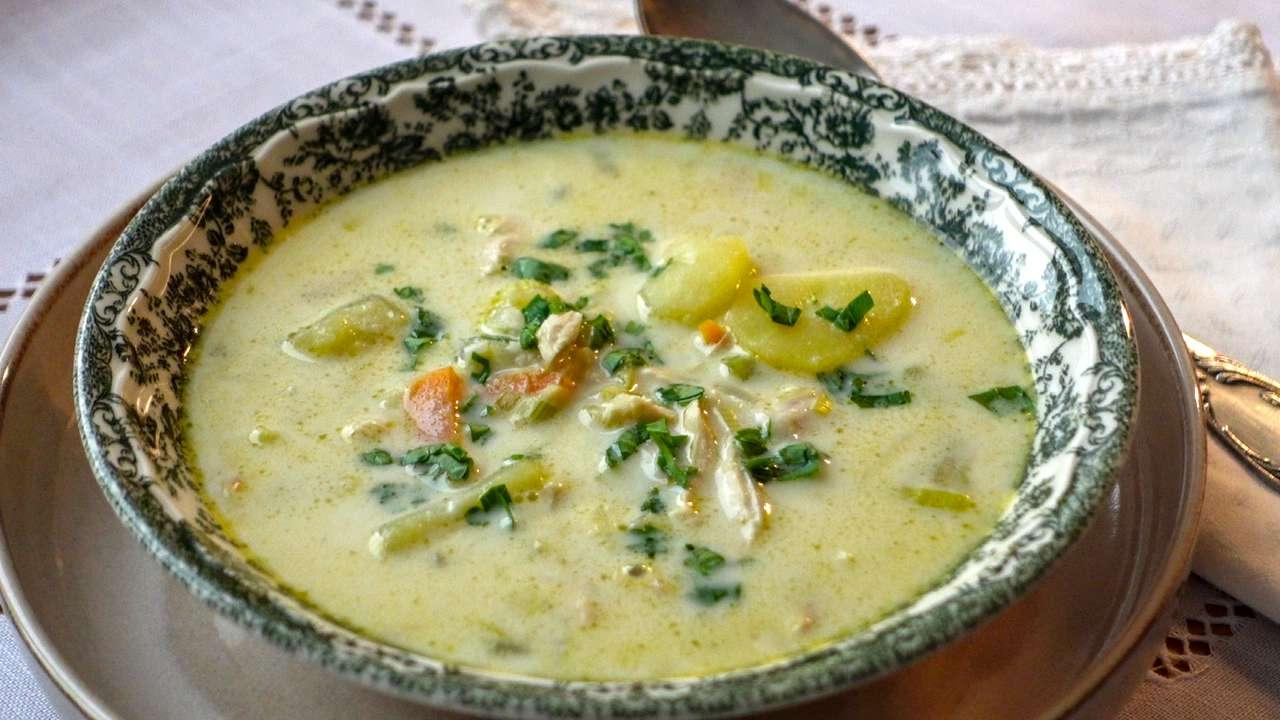
There’s a particular magic to Ghent that seeps into your bones—medieval stone reflected in still canal water, the soft patter of November rain on cobblestones, the kind of beauty that doesn’t shout but simply exists, effortlessly elegant. This is a city that has weathered centuries without losing its grace, and waterzooi is its culinary soul made manifest.
The dish itself carries Ghent’s history in every spoonful. Originally a fisherman’s stew made with whatever the Leie River offered that day, it evolved when the fish grew scarce and practical Flemish cooks did what practical people do—they adapted. Chicken replaced fish, but the essence remained: a creamy, golden broth that tastes like comfort and refinement all at once, rich but never heavy, the kind of meal that knows exactly what it is.
I’ve made mine with coquelet—young cockerel—because some recipes deserve to feel like an occasion. The tender meat creates a stock so flavorful it needs little embellishment, just good butter, fresh cream, and the patience that Belgian cooking demands. This is food that won’t be rushed, that asks you to pay attention, to stir gently, to let the egg yolks temper slowly into silk.
As the pot simmers and your kitchen fills with that unmistakable aroma of something generous happening, you’re not just making dinner—you’re channeling centuries of Ghent tradition, the wisdom of cooks who understood that the best meals are both humble and extraordinary. Waterzooi doesn’t perform its elegance; it simply is elegant, much like the city that created it.
This is the taste of Ghent: settled, graceful, utterly itself.


Description
This classic, creamy Belgian stew from Ghent is traditionally made with chicken, but using a cockerel results in a deeply flavorful, finer broth.
Ingredients
For the Broth
For the Soup
For the Finishing (Liaison)
Instructions
- Prepare the Broth: Place the cockerel pieces, quartered onions, water, bay leaves, peppercorns, and allspice berries into a large pot. Season generously with salt. Bring to a boil, then immediately reduce the heat to low, cover, and let simmer gently for 1 hour.
- Strain and Shred: Remove the cockerel pieces from the broth and set aside. Strain the broth through a fine-mesh sieve into a clean bowl, discarding the spent aromatics and spices. Once cooled slightly, remove the skin and bones from the cockerel and shred the meat into large, bite-sized pieces.
- Sauté Vegetables: In the empty pot, melt the butter over medium heat. Add the sliced carrots, leeks, and celery. Sauté for 5 to 7 minutes until the vegetables are slightly softened but not browned.
- Simmer the Stew: Pour the strained broth back into the pot with the sautéed vegetables and bring the liquid to a boil. Reduce the heat and let it simmer for 15-20 minutes until the vegetables are tender.
- Add Meat and Potatoes: Add the cubed, boiled potatoes and the shredded cockerel meat to the simmering stew. Heat through for 5 minutes.
- Temper the Liaison: Take the pot completely off the heat. In a small bowl, whisk together the egg yolks and heavy cream. Slowly pour a ladleful of the hot soup into the egg yolk and cream mixture, whisking constantly (to temper it).
- Thicken and Finish: Pour the tempered mixture back into the pot, stirring constantly until fully incorporated.
- Serve: Return the pot to very low heat and simmer gently for 5 minutes, stirring occasionally. Do not let the soup come back to a boil, as this will curdle the egg yolks. Taste and adjust the seasoning with salt if needed. Garnish generously with fresh parsley before serving.
Notes
- You can prepare this with a chicken if you can’t find a cockerel, or go the historic way and make it with fish, a shrimp stock as a base, and some mussels for extra sea-flavour.
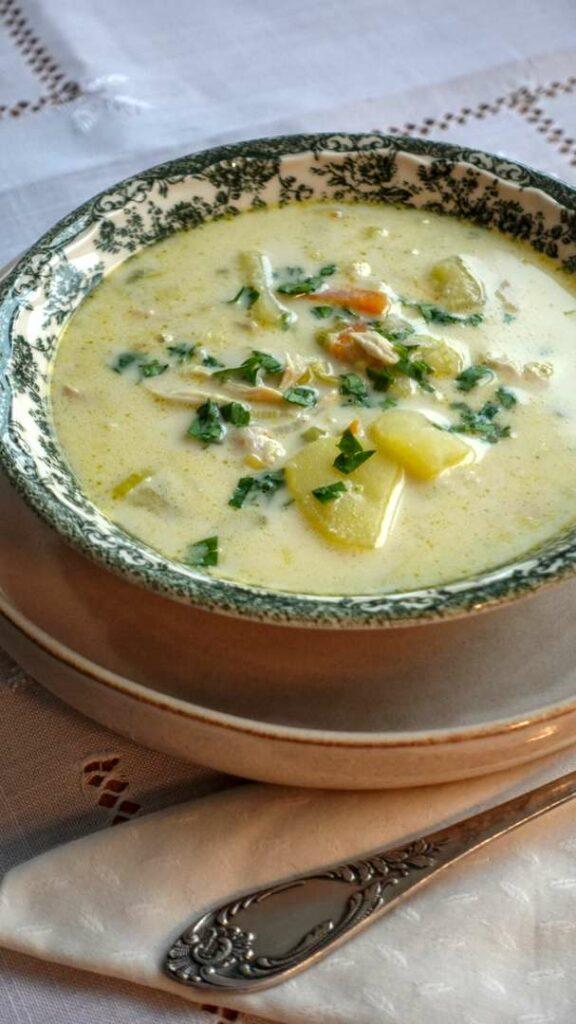
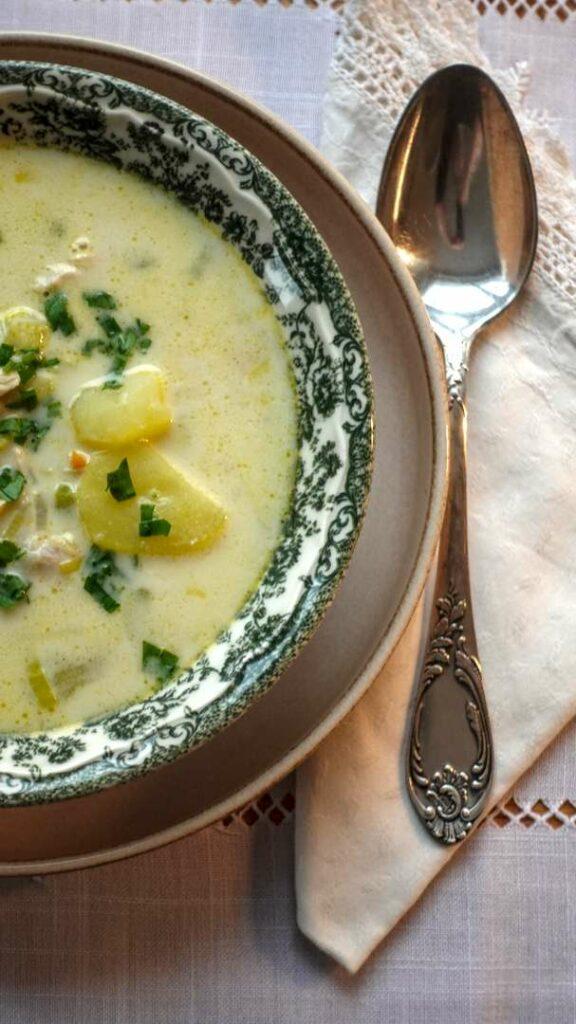
If you make your own version, I’d love to see it! Share your creation on Instagram with the hashtag #RitualOfReadingFood and tag @ritual_of_reading. Let’s gather our variations like a collection of Christmas stories, each one rich and unforgettable.

Written by Alexandra Poppy
Writer, reader & curator of The Ritual of Reading
I’m Alexandra, the voice behind The Ritual of Reading. Somewhere between a stack of novels and a half-finished pot of tea, I keep finding traces of the life I want to live—slower, richer, filled with stories. The Ritual of Reading is where I gather what I love: books that linger, places with a past, and rituals that make ordinary days feel a little more meaningful. I write from Paris, where elegant bookshops and old-fashioned cafés offer endless inspiration—and I share it here, hoping it brings a spark to your own days, too.