
Austrian Advent Calendar Day 7
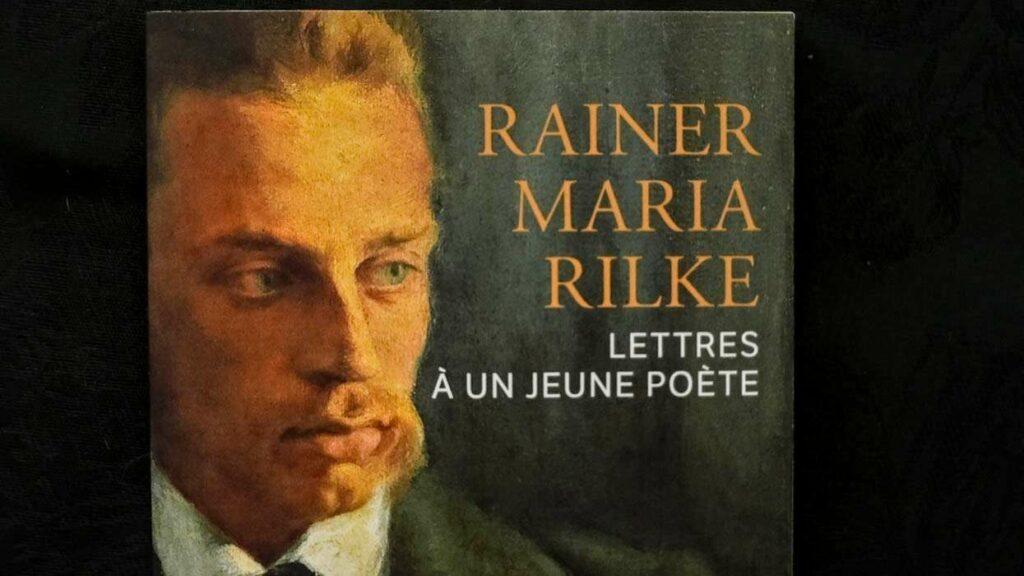
Dear Rainer Maria Rilke,
I have just finished your Letters to a Young Poet, and naturally, I feel that a letter of my own is the most appropriate way to express my thoughts at this moment. Would I be wrong in saying that I identified, in some way, with young Franz Kappus? Perhaps not entirely—though he was born on my side of the Carpathians, many decades before my time. But I think what touched me most deeply in your correspondence speaks to the universal creator inside me, and perhaps inside everyone who has ever tried to make something beautiful or true.
I don’t label myself as a writer, or as a filmmaker, not a photographer either—not anymore, at least. But I do consider myself a creator. That identity takes different forms and expressions across time, and it carries with it the same fundamental doubts that all creators experience. I suppose that is why your words resonate so powerfully, why they feel written not just to Franz but somehow to me as well, across more than a century of silence.
I can only imagine what your world looked like in those early years of the twentieth century, what was considered proper, healthy social behavior. The contrast with today’s standards strikes me as quite radical, which makes your counsel all the more powerful. You were writing from a world still formal, still structured by clear social hierarchies and expectations, yet your advice pointed inward, toward radical interiority and self-trust.
“What is necessary, after all, is only this: solitude, vast inner solitude. To walk inside yourself and meet no one for hours—that is what you must be able to attain.”
― Rainer Maria Rilke, Letters to a Young Poet
Your words are music to the ears of an introvert, especially one living in a world where social interaction is viewed as the solution to everything and solitude regarded as the greatest danger of all. Balance is certainly the key, as you so eloquently express across many of the letters, yet I confess that your incentive to develop and consolidate one’s inner world strikes me as the greatest gift of your correspondence—not just to Franz, but to all of us who have encountered these pages since.
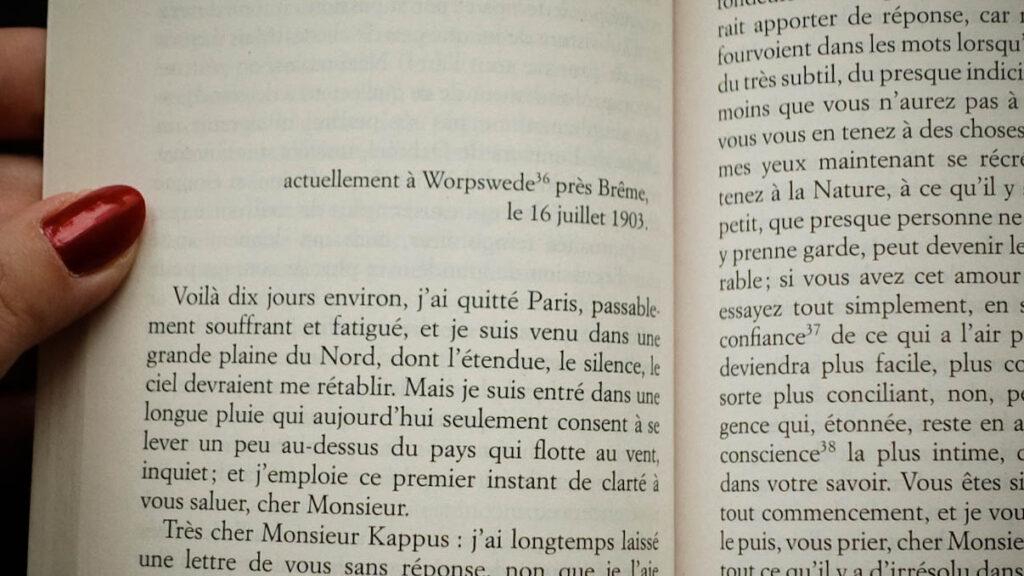
The peace, the serenity that rises from your words acts like a balm for sensitive souls. You give permission for what the world so often denies: the right to slowness, to depth, to uncertainty, to sitting with questions rather than rushing toward answers. You validate the very temperament that modern life seems designed to pathologize.
I must confess my hesitation in approaching your other writings, for I am afraid—yes, genuinely afraid—of finding in them something less comforting than this tender bubble you created for Franz, for me, for all of us who have needed these particular assurances. What if your poetry proves too difficult, too austere? What if I cannot meet you there, in those more demanding works? For now, I am content to remain here, in these letters, where your generosity and gentleness feel most accessible.
I’m writing this in the days before Christmas, so please allow me this small whim: wherever you might find yourself now—in spirit, in memory, in the continuing life of your words—receive my most grateful sentiments. You have given me, and countless others, permission to trust our own inwardness, to value what the world dismisses as impractical or self-indulgent. That is no small gift.
Your faithful admirer,
Alexandra
ABOUT THE BOOK:
Letters to a Young Poet (Briefe an einen jungen Dichter)
Written: 1903-1908
Published: 1929 (after Rilke’s death)
Recipient: Franz Xaver Kappus, aspiring poet and military cadet
The correspondence: Ten letters Rilke wrote to Kappus, a young man who had sent him poetry for critique. Rather than offering technical feedback, Rilke provided something far more valuable: guidance on how to live as an artist, how to protect one’s creative life, how to trust one’s inner experience.
Key themes:
- Solitude as essential for creative work
- Patience with unanswered questions
- The importance of developing one’s inner life
- Love, sexuality, and relationship as spiritual practice
- The necessity of living one’s questions rather than seeking premature answers
Why it endures: These letters speak to the universal experience of creative doubt and the search for validation. Rilke’s counsel—to look inward rather than outward for answers, to trust the slow work of becoming—remains as relevant now as when he first offered it.
THE FAMOUS PASSAGE ON PATIENCE:
“…I would like to beg you dear Sir, as well as I can, to have patience with everything unresolved in your heart and to try to love the questions themselves as if they were locked rooms or books written in a very foreign language. Don’t search for the answers, which could not be given to you now, because you would not be able to live them. And the point is to live everything. Live the questions now. Perhaps then, someday far in the future, you will gradually, without even noticing it, live your way into the answer.”
ON SOLITUDE:
This theme runs throughout the letters—not loneliness, but chosen solitude as the space where authentic work happens. Rilke distinguishes between the superficial connection that distracts and the deep solitude that nourishes. In our hyperconnected age, this advice feels almost revolutionary.

Written by Alexandra Poppy
Writer, reader & curator of The Ritual of Reading
I’m Alexandra, the voice behind The Ritual of Reading. Somewhere between a stack of novels and a half-finished pot of tea, I keep finding traces of the life I want to live—slower, richer, filled with stories. The Ritual of Reading is where I gather what I love: books that linger, places with a past, and rituals that make ordinary days feel a little more meaningful. I write from Paris, where elegant bookshops and old-fashioned cafés offer endless inspiration—and I share it here, hoping it brings a spark to your own days, too.