Austrian Advent Calendar Day 24
Hello, dear friends, and Merry Christmas Eve!
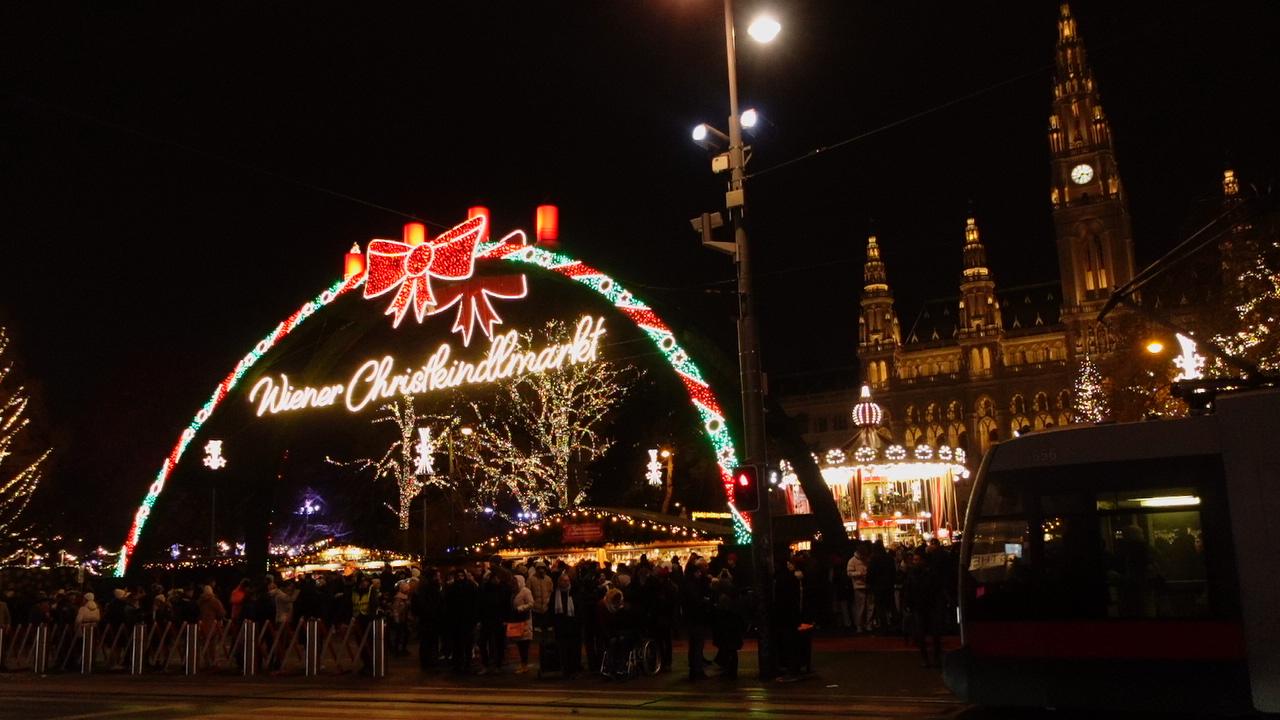
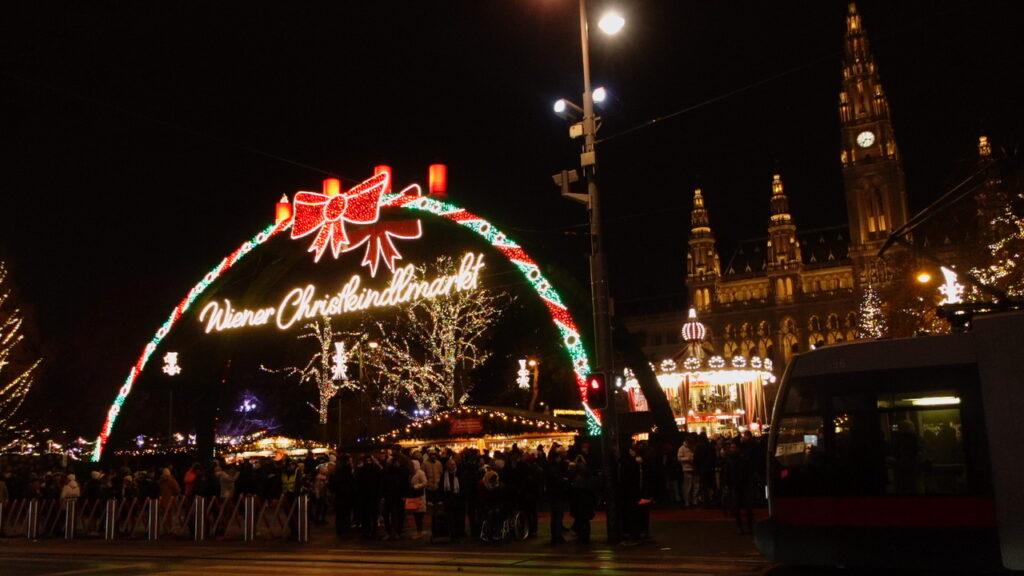
Welcome to the heart of Christmas in Vienna: the Christkindlmarkt, where centuries of tradition meet contemporary celebration in one of Europe’s most beautiful settings.
The name translates literally as “Market of the Christ Child,” rooted in the distinctly Austrian tradition that gifts are brought not by Santa Claus but by the Christkind—the Christ Child, often depicted as an angel-like figure with golden hair and wings. This tradition distinguishes Austrian Christmas from the Anglo-American Santa mythology, representing a different cultural approach to the season’s magic and meaning.
The market spreads across the plaza before the stunning neo-Gothic Rathaus—Vienna’s city hall, completed in 1883—a building so architecturally magnificent that it would be worth visiting even without the market. But during Advent, the Rathaus becomes a glowing backdrop for what is the largest Christmas market among the twenty organized throughout Vienna. The façade illuminates at night, its spires and arches outlined in light, creating a cathedral-like atmosphere that elevates the market beyond mere commerce into something approaching the sacred.
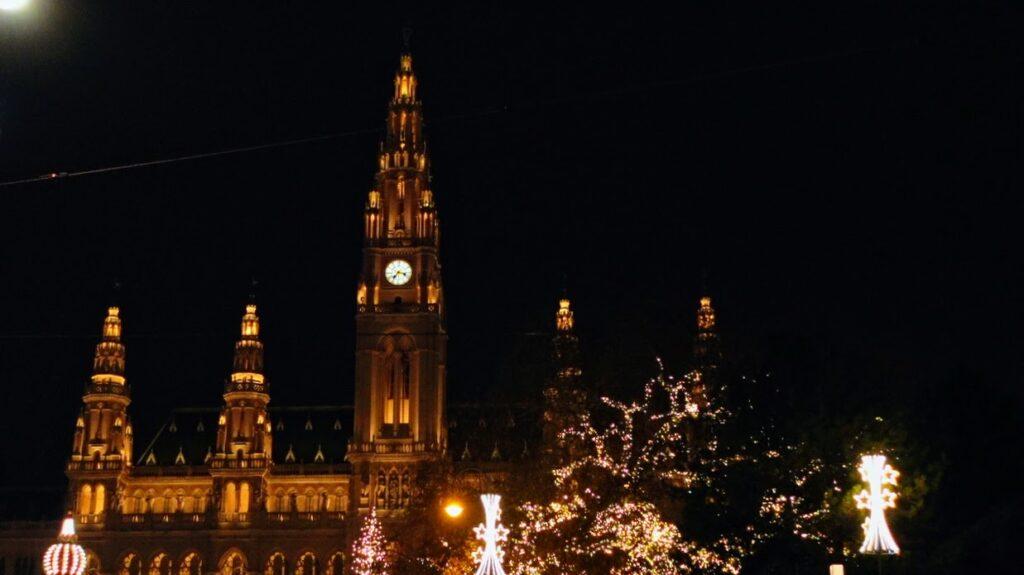
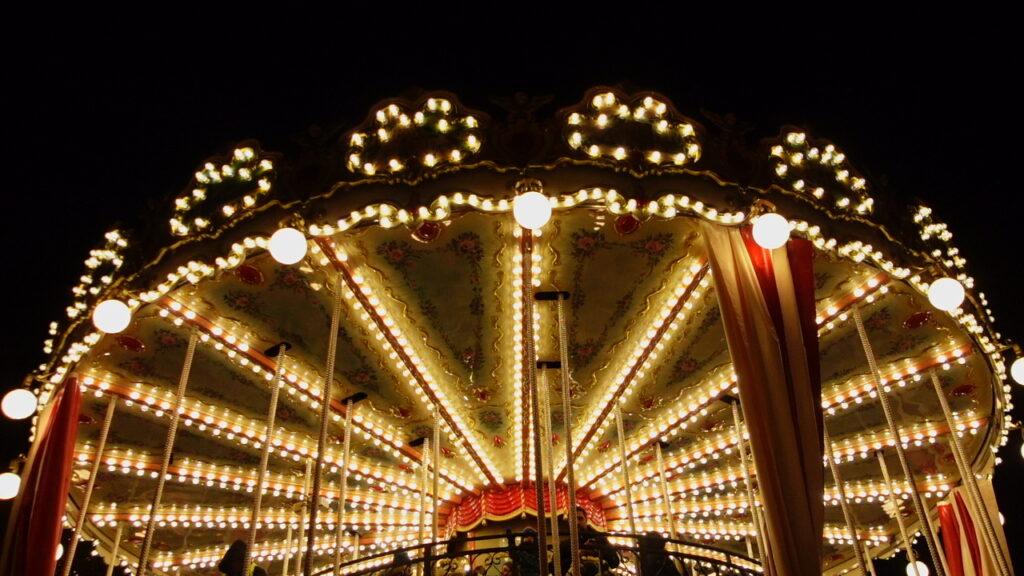
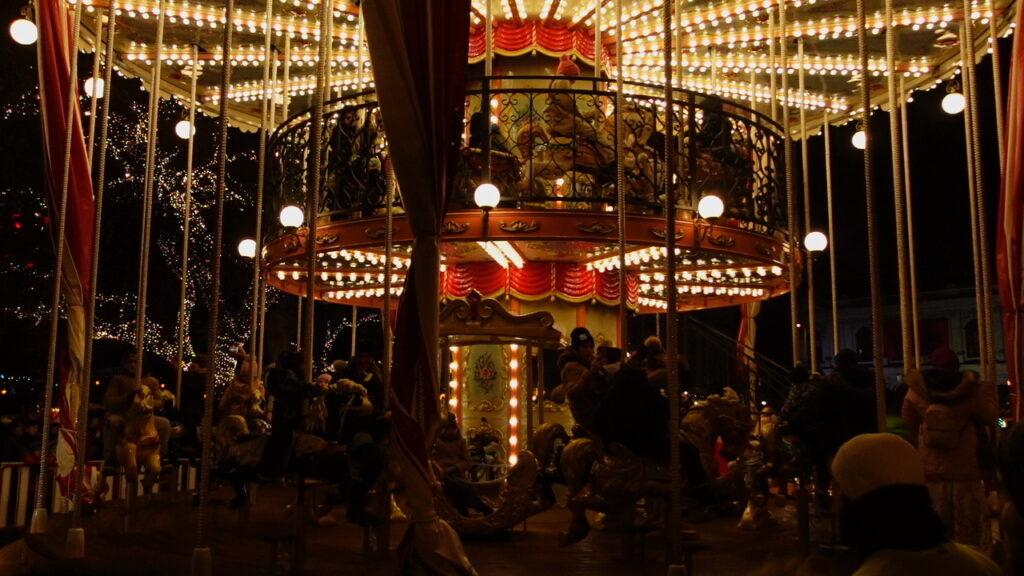
Historical records suggest that a “December Market” was held in Vienna as early as 1298, though concrete documentation proves that an Old Viennese Christmas Market occupied this very location in 1764. The tradition has continued essentially unbroken since then—surviving wars, occupations, regime changes, and the countless transformations that have reshaped Vienna across two and a half centuries. Through it all, people have gathered here to share a cup of mulled wine or a warm snack, to admire the magical lights strung between stalls, and perhaps to purchase handmade gifts that carry the warmth of the maker’s hands.
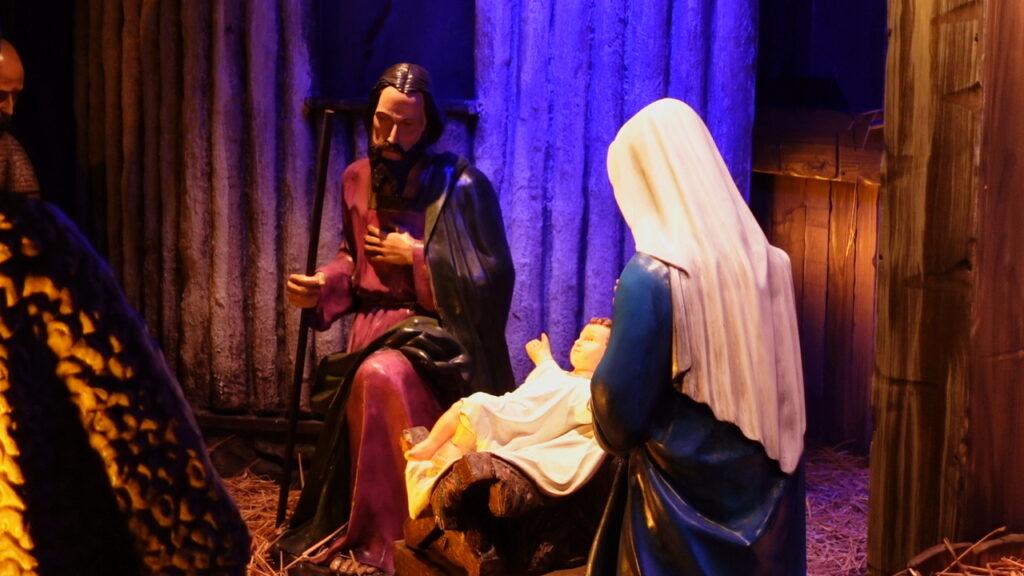
A traditional nativity scene anchors the market, reminding visitors of the season’s religious origins even as the celebration embraces the secular. Brass bands animate the cold evenings with carols and classical pieces, their music drifting through the winter air and mingling with laughter and conversation. And truthfully, the evenings aren’t that cold once you’re there—the press of people, the warmth from mulled wine, the radiant heat from food stalls, and perhaps most of all, the collective energy of shared celebration create their own microclimate of warmth.
Christmas markets are magical to me because I choose to approach them as a child would. I understand the cynical perspective: crowds of people manipulated by clever marketing into purchasing things they don’t need, tradition commodified and sold back to us at inflated prices, authenticity buried beneath commercialization. I’ve heard these arguments, and they’re not entirely wrong. But I choose a different lens.
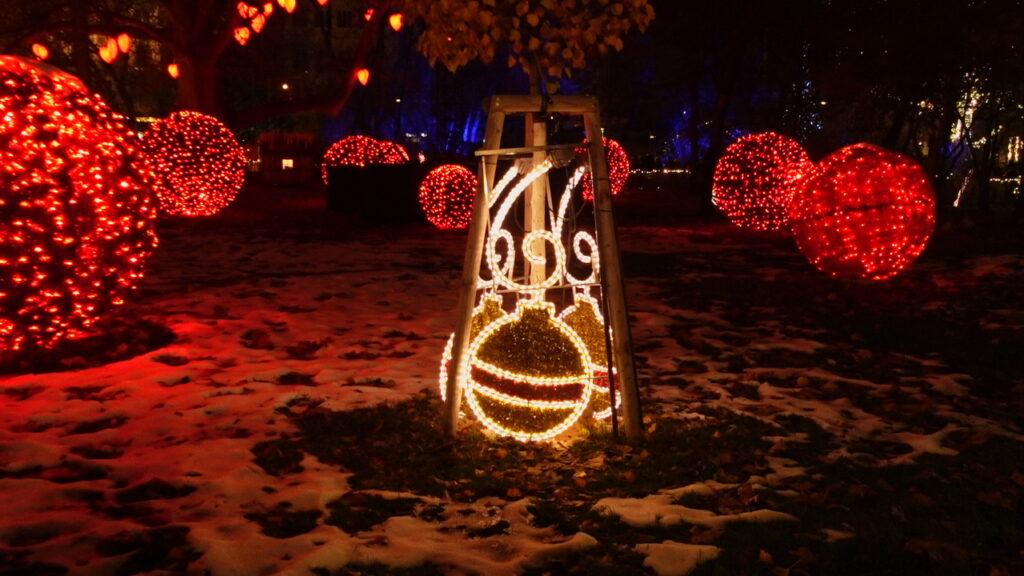
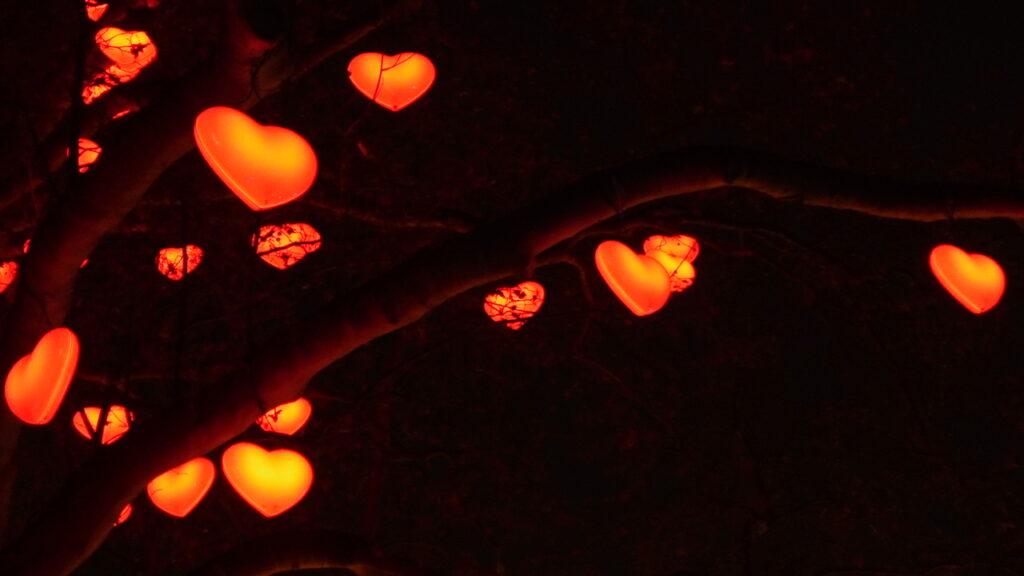
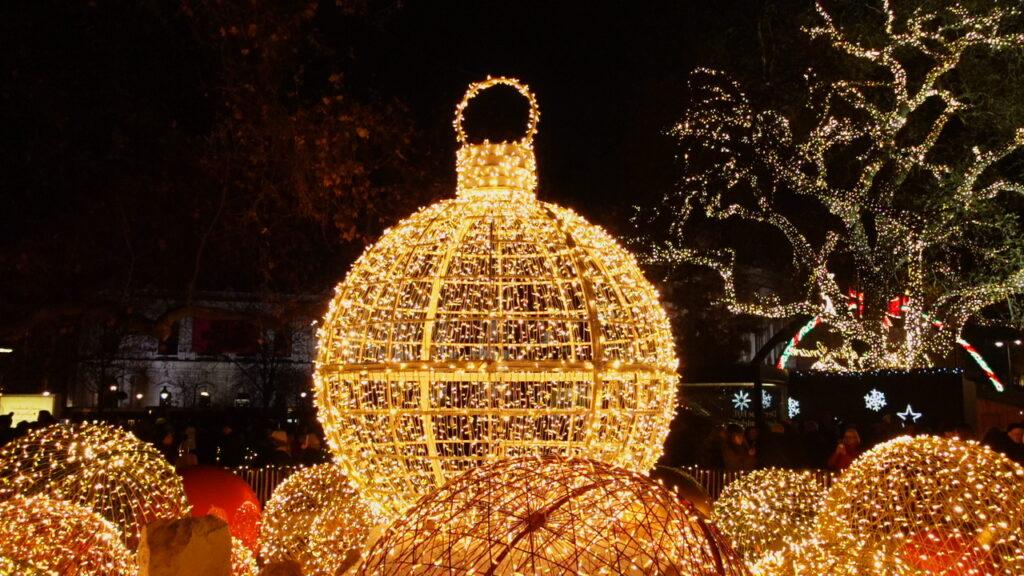
Instead of seeing manipulation, I marvel at the lights—thousands upon thousands of them, transforming an urban plaza into something luminous and otherworldly. Instead of dismissing manufactured sentiment, I smile when I see others smiling with genuine joy, their faces lit not just by the market’s glow but by something internal and authentic. Instead of lamenting commercialization, I feel grateful that we can still come together across differences to celebrate and rejoice, that ancient traditions adapt and survive in our modern world, that beauty and community still matter enough to draw us out of our homes on cold December evenings.
As we reach the end of this magical month of December, I find myself looking back with profound gratitude. Twenty books explored, each one opening a window into Austrian culture and consciousness. Recipes tested and tasted, food histories discovered, culinary traditions honored and adapted. Music encountered in concert halls and on city streets. Museums visited, art contemplated, beauty absorbed through willing eyes. I set out to experience a daily Austrian adventure, and getting to know Austrian literature was my primary vehicle. Yet I gained so much more along the way than I’d anticipated.
I traveled through time as well as space—from medieval manuscripts to contemporary novels, from the Habsburg Empire at its height to postwar Vienna rebuilding itself. All of my senses engaged: the taste of Sachertorte and Linzertorte, the sound of waltzes in the Musikverein, the sight of Klimt’s golden paintings and Baroque palaces, the scent of coffee in legendary cafés, the feel of old books in my hands. My imagination expanded to accommodate this world that revealed itself through literature and exploration, through intentional attention and open curiosity.
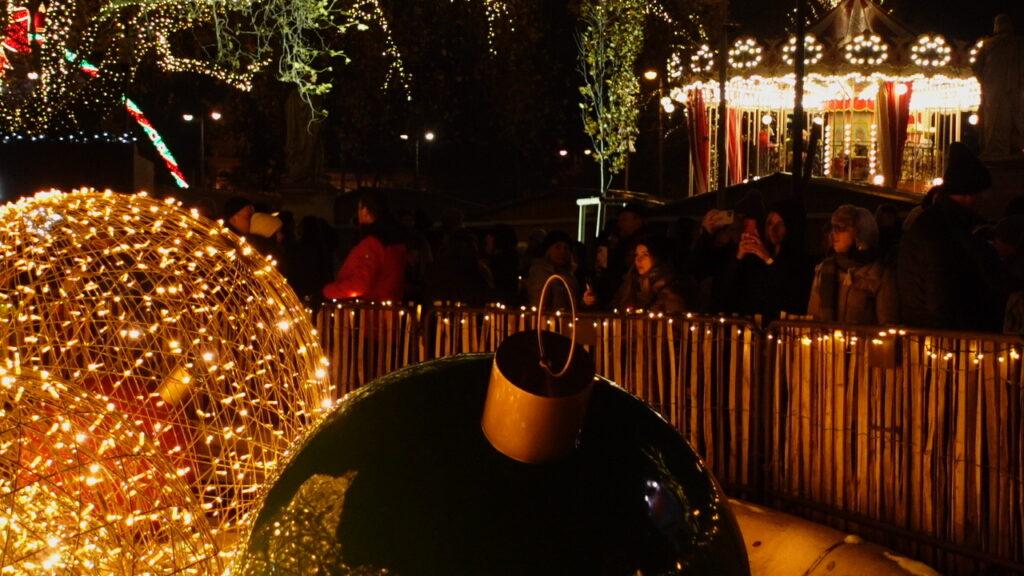
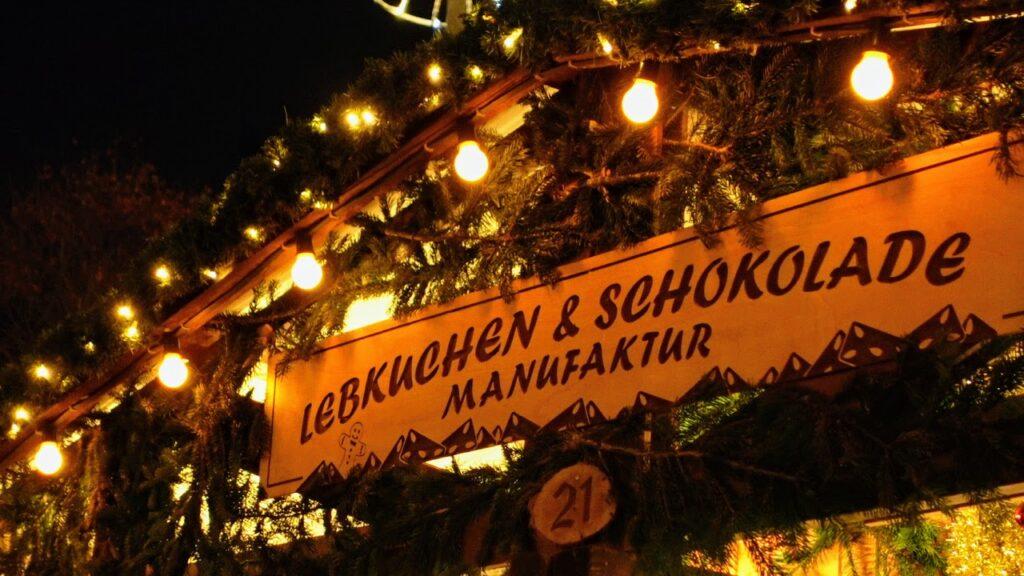
Thank you for all the joy we’ve shared during this month of December. It has been my absolute delight to create this Advent Calendar, to offer our daily dose of discoveries both cozy and illuminating. Your presence—your reading, your comments, your willingness to journey with me through Austrian culture—has made this experience richer and more meaningful than it would have been alone.
I wish you all a festive season that soothes your soul and tickles your spirit in equal measure. Whether you spend it alone with quiet contemplation, with family in joyful chaos, or with chosen friends in warm celebration, may your Christmas be enriched by your own ritual of reading. May you find beauty in unexpected places, comfort in small ceremonies, and reasons to smile that have nothing to do with perfection or achievement.
From my heart to yours, dear friends—Merry Christmas, Frohe Weihnachten, and may the new year unfold with grace and wonder.
Until we meet again.
VIENNA CHRISTKINDLMARKT GUIDE:
Location & Basics:
- Setting: Rathausplatz (City Hall Square), Vienna’s 1st District
- Backdrop: Neo-Gothic Rathaus (1883), one of Vienna’s most iconic buildings
- Size: Largest of Vienna’s 20+ Christmas markets
- History: Market documented at this location since 1764; December markets in Vienna possibly dating to 1298
- Dates: Mid-November through December 26 (typically Nov 15 – Dec 26)
- Hours: Daily 10am-9:30pm (extended hours some evenings)
What Makes It Special:
Atmosphere:
- Over 150 stalls arranged in traditional rows
- Magnificent Rathaus illuminated as backdrop
- Giant Christmas tree at center of plaza
- Traditional brass band performances
- Heart-shaped archway of lights (iconic photo spot)
- Nativity scene (Krippe)
- Children’s workshops and activities
Food & Drink:
- Glühwein (mulled wine) – served in collectible ceramic mugs
- Punsch – various flavored hot punch varieties
- Maroni – roasted chestnuts
- Kartoffelpuffer – potato pancakes
- Langos – Hungarian fried bread
- Bratwurst – grilled sausages
- Traditional Austrian pastries and sweets
Shopping:
- Hand-crafted ornaments and decorations
- Traditional Austrian handicrafts
- Wooden toys and nutcrackers
- Handmade jewelry
- Woolen goods (hats, scarves, gloves)
- Candles and nativity figures
- Local honey, jams, and preserves
Special Features:
Christkindl Tradition: The Christkind (Christ Child) is Austria’s gift-bringer, traditionally depicted as an angel-like child figure rather than Santa Claus. This tradition reflects Austrian Catholic heritage and creates a different cultural narrative around Christmas gift-giving.
Heart-Shaped Archway: The iconic heart made of lights at the market entrance has become a beloved symbol and popular photo location. It represents love and warmth during the cold season.
Children’s Area: Special section with workshops where children can make crafts, decorate cookies, and meet the Christkind. Includes small rides and activities designed for younger visitors.
Ice Skating: The “Wiener Eistraum” (Vienna Ice Dream) transforms the plaza in front of City Hall into an ice skating rink, integrated with the Christmas market. Two rinks connected by ice paths through the arcades.
PRACTICAL INFORMATION :
Getting There:
- Metro (U-Bahn): U2 to Rathaus station
- Tram: Lines 1, 2, D, 71 to Rathausplatz/Burgtheater
- Walking: Central location, easy walk from Ringstrasse hotels
Best Times to Visit:
- Less crowded: Weekday afternoons (2-5pm)
- Most atmospheric: Evenings after dark when lights are fully visible
- Avoid if possible: Weekend evenings, especially Dec 20-24
Budget Tips:
- Glühwein mugs are often collectible—deposit refunded if returned
- Compare prices between stalls—they vary
- Many stalls accept cards, but cash is faster
- Free entertainment (bands, choirs) throughout the day
Beyond Rathausplatz:
Other Vienna Christmas Markets:
- Schönbrunn Palace Market – Romantic palace backdrop, artisan focus
- Belvedere Palace Market – Elegant, smaller, fewer crowds
- Spittelberg Market – Bohemian neighborhood, artsy vendors
- Am Hof Square Market – Historic square, traditional atmosphere
- Karlsplatz Market – Front of Karlskirche, beautiful illuminations
- Freyung Market – High-quality crafts, gourmet food
Christmas Activities in Vienna:
- Attend Christmas concert (many churches offer free/cheap performances)
- Visit Christmas exhibitions at museums
- Attend Christmas Mass at St. Stephen’s Cathedral
- Take evening walk along illuminated Ringstrasse
- Visit café for traditional Austrian Christmas pastries
Traditional Foods to Try:
- Vanillekipferl – Vanilla crescent cookies
- Lebkuchen – Gingerbread
- Stollen – Fruit bread
- Bratapfel – Baked apples with nuts and raisins
Cultural Notes:
- Christmas Eve (Heiliger Abend) is the main celebration day in Austria
- Gifts traditionally opened on evening of Dec 24, not Dec 25
- Dec 25-26 are quiet family days; many restaurants closed
- Christkind brings gifts, not Santa Claus
- Midnight Mass (Christmette) is important tradition
AUSTRIAN ADVENT CALENDAR: A REFLECTION
Over these 24 days, we’ve explored:
- Twenty books: From Rilke’s letters to contemporary Austrian fiction
- Imperial history: Habsburg palaces, Empress Elisabeth, Maria Theresa
- Café culture: Vienna’s legendary coffeehouses and their traditions
- Music: From Strauss waltzes to the Musikverein’s golden acoustics
- Art: Klimt’s golden period, Belvedere collections, imperial treasures
- Food: Sachertorte, Linzertorte, Punsch, and pain d’épices
- One central theme: How beauty, culture, and tradition create meaning and connection across time
Thank you for journeying through Austria with me. May you carry forward something of Vienna’s particular elegance—its understanding that beauty matters, that ritual enriches life, that culture nourishes the soul.

Written by Alexandra Poppy
Writer, reader & curator of The Ritual of Reading
I’m Alexandra, the voice behind The Ritual of Reading. Somewhere between a stack of novels and a half-finished pot of tea, I keep finding traces of the life I want to live—slower, richer, filled with stories. The Ritual of Reading is where I gather what I love: books that linger, places with a past, and rituals that make ordinary days feel a little more meaningful. I write from Paris, where elegant bookshops and old-fashioned cafés offer endless inspiration—and I share it here, hoping it brings a spark to your own days, too.