
Austrian Advent Calendar Day 16
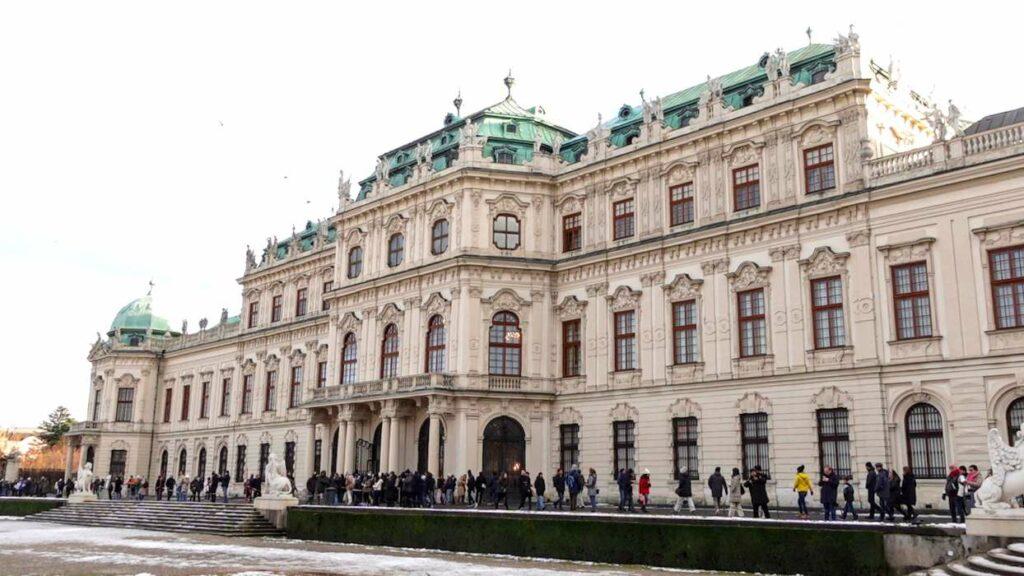
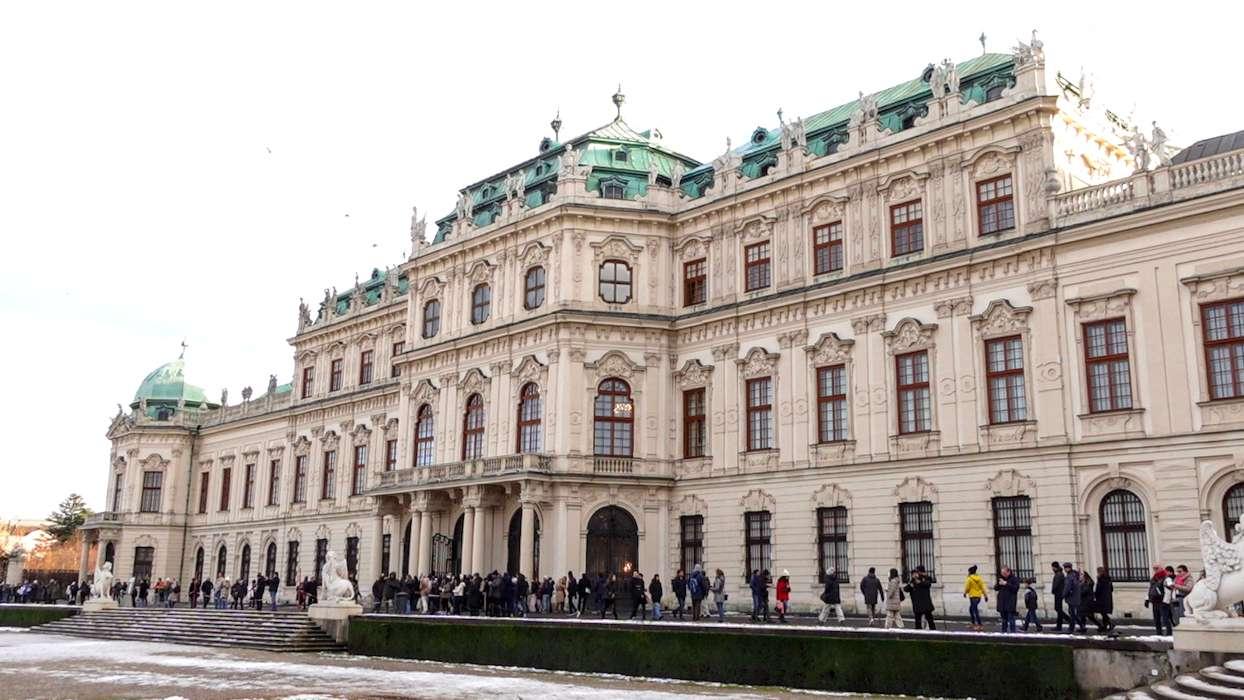
Hello, dear friends! Welcome to a brief stroll through the galleries of the Upper Belvedere in Vienna.
The Belvedere complex forms an essential part of Viennese identity—two palaces, the Upper and the Lower, connected by magnificent terraced gardens that cascade down the hillside in perfect Baroque symmetry. This is the ideal place to encounter Austrian Baroque architecture at its most confident and refined, a monument to an era when Vienna was transforming itself into one of Europe’s great imperial capitals.
The Belvedere was built as the summer residence of Prince Eugene of Savoy during a period of extensive construction throughout Vienna. You might reasonably wonder what business a Prince of Savoy had building himself a palatial residence in Austria. His story is remarkable enough to merit telling.
Prince Eugene was born in Paris in 1663, the youngest son of Eugène Maurice, Count of Soissons, and Olympia Mancini—one of Cardinal Mazarin’s famous nieces who had considerable influence at the French court. As a younger son, Eugene was destined for the clergy, a common fate for those who wouldn’t inherit titles or estates. However, at nineteen, to the astonishment of his family and social circle, he decided to dedicate his life to military service instead. This seemed an unlikely choice: he was small in stature, physically unimpressive, and possessed none of the obvious athletic prowess expected of a soldier.
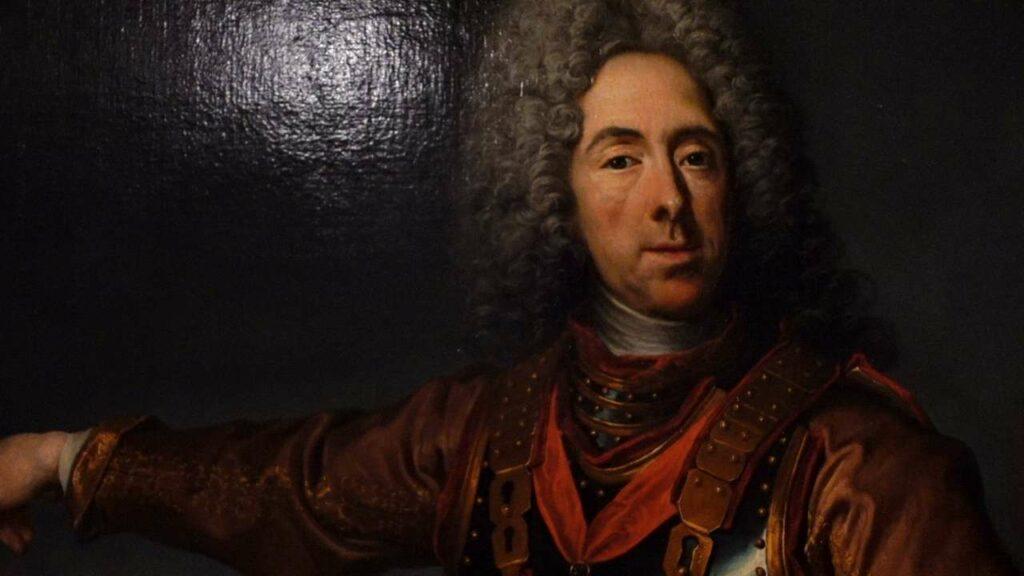
Because his mother had been implicated in a poisoning scandal and subsequently exiled from France, Eugene’s petition to join Louis XIV’s army was categorically denied. Undeterred, he sought military service abroad and turned to the Holy Roman Empire. This rejection proved fortuitous—for him and for Habsburg Austria. During more than thirty years as a soldier and military commander, his primary enemies were the French (his countrymen) and the Ottoman Turks. He fought brilliantly on both fronts, winning decisive victories that secured his place at the very center of Habsburg imperial history. He became one of the greatest military minds of his age, the commander emperors trusted with their most critical campaigns.
Yet this legendary soldier, this man of war and strategy, chose to commemorate his life with beauty rather than martial monuments.
Built between 1717 and 1723, the Upper Belvedere stands as the crown jewel of Prince Eugene’s estate. He commissioned only the finest architects—primarily Johann Lukas von Hildebrandt—and the most talented landscape designers of the era to ensure a lasting impression of magnificence. The result is breathtaking: a palace that seems to float above its gardens, all elegant proportion and refined decoration, Baroque exuberance tempered by classical restraint.

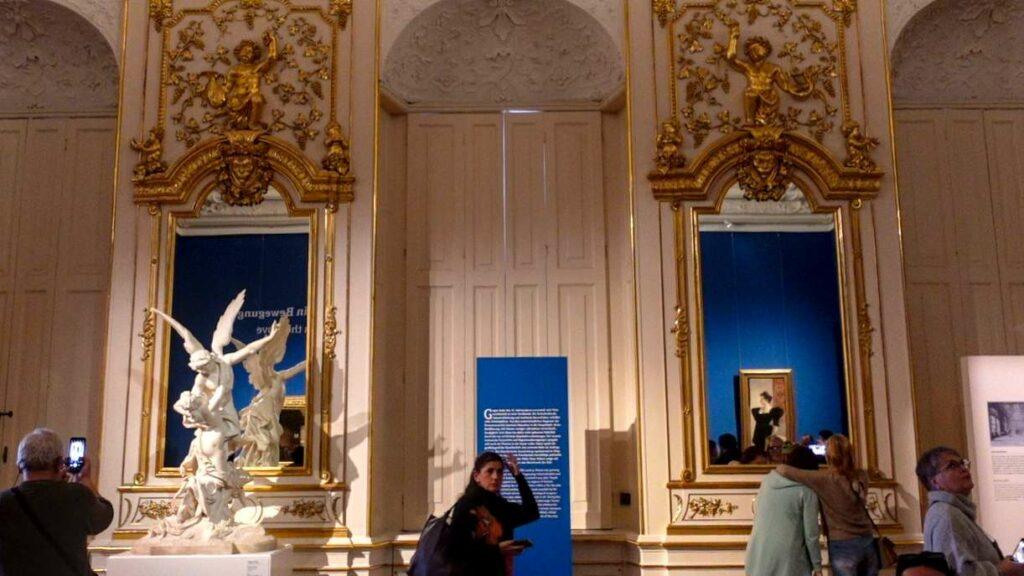
At Prince Eugene’s death, Empress Maria Theresa inherited the entire domain and made a decision that would prove historically significant: she transformed it into a showcase for the Imperial art collections, creating one of the world’s first public museums—a place where ordinary citizens could encounter beauty and culture previously reserved for aristocratic eyes.
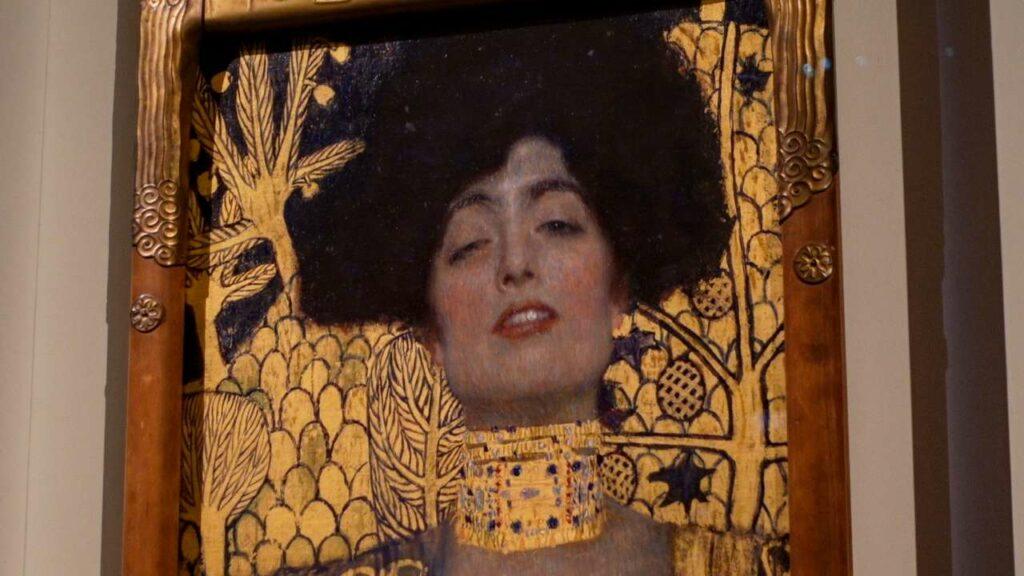
Today, visiting the Belvedere Museum means marveling at Baroque architecture while exploring a collection spanning from the Middle Ages to the late twentieth century. But for the majority of visitors, one artist dominates: Gustav Klimt. His famous The Kiss draws crowds, as do Judith, Fritza Riedler, and Sonja Knips, among others. These rooms fill with viewers trying to decipher the universe of one of Vienna’s most emblematic artists, his golden surfaces and symbolic mysteries still captivating more than a century after their creation.

When visiting the Belvedere, you cannot escape a particular thought: this palace represents the ultimate affirmation that beauty will prevail. A military man of legendary courage and strategic genius felt that above all his conquests and victories in battle, what needed to represent his legacy through the centuries was a temple of beauty. Not fortifications, not weapons, not monuments to war—but gardens and frescoes, marble staircases and painted ceilings, spaces designed for contemplation and aesthetic pleasure.
This thought alone can shift how you view history. It reminds us that even in eras dominated by conflict, people recognized that beauty mattered, that creating something lovely was as important as—perhaps more important than—achieving military dominance. These are the universal values we inherit and, ideally, pass forward: that art endures when empires fade, that beauty speaks across centuries when political victories are forgotten, that what we build to nurture the soul outlasts what we build to project power.
Until tomorrow, dear friends—may you notice and cherish the beauty that surrounds you, and may you add to it where you can.

VISITING INFORMATION:
Belvedere Palace Complex – Vienna
Upper Belvedere (Oberes Belvedere):
- Permanent collection: Medieval to contemporary art
- Gustav Klimt collection (including The Kiss)
- Baroque architecture and state rooms
- Recommended visit time: 2-3 hours
Lower Belvedere (Unteres Belvedere):
- Temporary exhibitions
- Baroque state rooms
- More intimate scale than Upper Palace
- Often less crowded
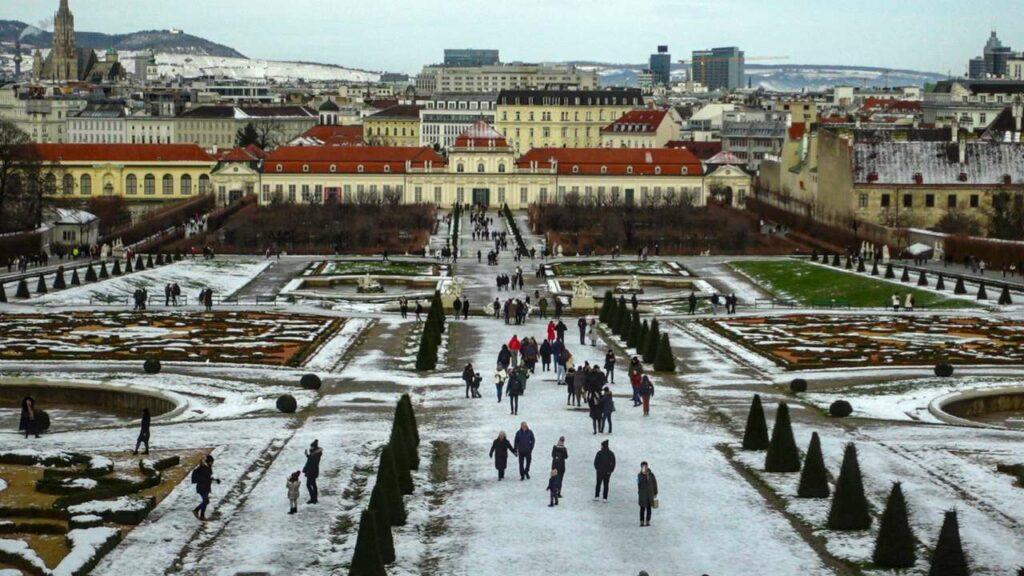
Belvedere Gardens:
- Free to visit
- Formal Baroque landscaping
- Stunning views of Vienna
- Perfect for photos and leisurely walks
- Beautiful year-round, magical in winter
Practical Tips:
- Book tickets online in advance to skip queues
- Visit Upper Belvedere early morning or late afternoon to avoid crowds around Klimt paintings
- Allow time to explore the gardens between palaces
- Combined tickets available for both palaces
- Photography permitted (no flash)
Getting There:
- Tram D to “Schloss Belvedere”
- Easy walk from city center (about 20 minutes)
PRINCE EUGENE OF SAVOY (1663-1736):
One of history’s great military commanders who chose to be remembered through beauty rather than monuments to war. His victories against Ottoman forces secured Vienna’s safety and Habsburg dominance in Central Europe. His legacy: not conquered territories, but one of Europe’s most beautiful Baroque palaces and the art collection it houses.

Written by Alexandra Poppy
Writer, reader & curator of The Ritual of Reading
I’m Alexandra, the voice behind The Ritual of Reading. Somewhere between a stack of novels and a half-finished pot of tea, I keep finding traces of the life I want to live—slower, richer, filled with stories. The Ritual of Reading is where I gather what I love: books that linger, places with a past, and rituals that make ordinary days feel a little more meaningful. I write from Paris, where elegant bookshops and old-fashioned cafés offer endless inspiration—and I share it here, hoping it brings a spark to your own days, too.