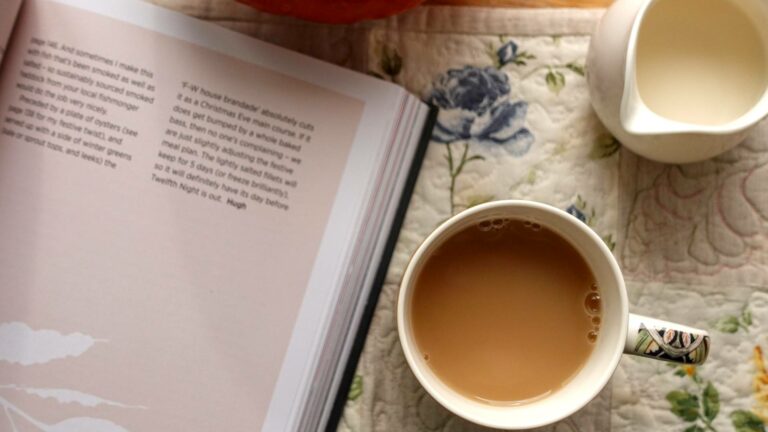
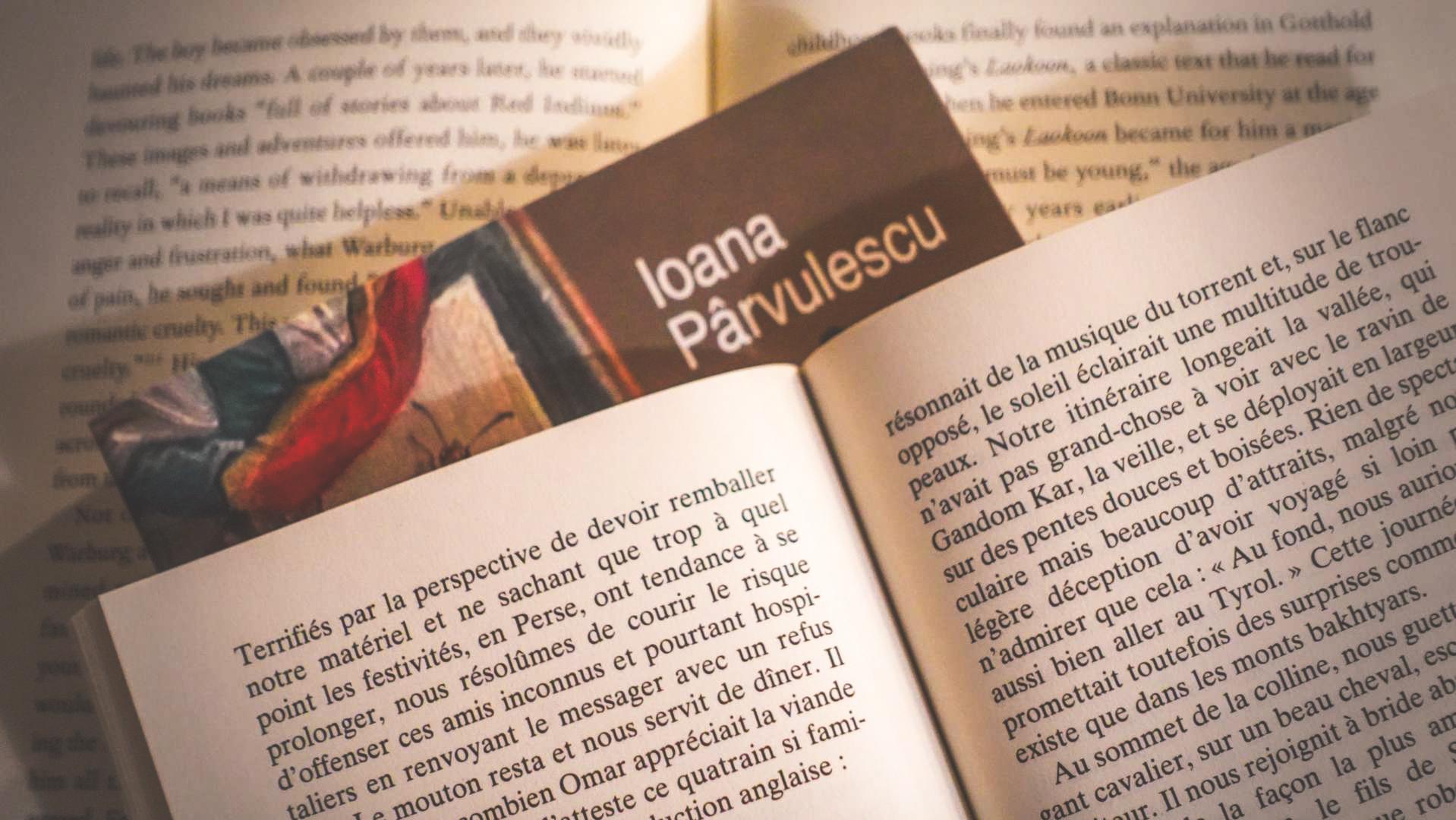
Last Tuesday, I turned down an invitation to a gallery opening—the kind of event I usually love—and instead spent the evening with Bertie Wooster and a cup of Earl Grey. No apologies, no guilt, just the quiet satisfaction of knowing exactly what I needed: not more stimulation, but a different quality of attention. The kind that comes from surrendering to a story that asks nothing of you except to follow where it leads.
This is what self-care has come to mean for me, especially in winter when the world outside grows dark early and cold seeps through the windows. My rituals vary from season to season—tea rotations and face masks, the vegetables I choose, the scents that uplift me—but the constant, the thing I return to again and again, is reading the right kind of book for the mood I’m in.
Not self-help. Not self-improvement. Just self-care in its purest form: fiction that lets me be fully present in an imaginary world, so present that my actual world recedes for a while, taking its anxieties with it.
There are moments during the year when I yearn for books that are simply entertaining. No great historical reckoning, no social crisis or human rights manifesto—just plain old storytelling that celebrates what human imagination can do when it’s not trying to fix or teach or persuade. Fiction as therapy, yes, but the kind of therapy that works through enchantment rather than instruction. The kind where you escape into a story so well written you feel like you belong in that frame (at times, even more than in your actual reality), where all your senses engage with an experience that exists only in language and imagination.
The books I turn to in these moments aren’t necessarily light. They don’t ask less of me—they simply ask different things. They invite me to dream rather than analyze, to feel rather than critique, to let a story unfold at its own unhurried pace while I settle deeper into my reading chair. They’re the novels I reach for when I need fiction to do what it does best: transport, enchant, restore.
Here are three such books, from three different literary traditions, for moments when all you want is a story that makes you dream a little.
British Wit and Cozy Humor: “Carry On, Jeeves” by P.G. Wodehouse
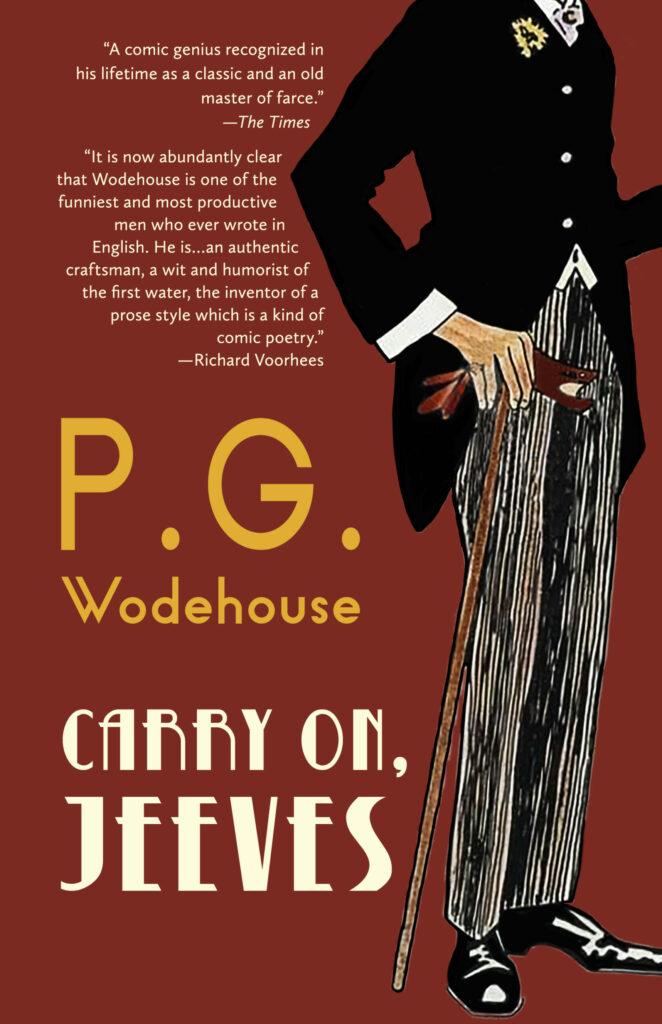
This collection of short stories introduces us to Bertie Wooster, a well-meaning but perpetually befuddled English gentleman, and his unflappable valet Jeeves, whose quiet brilliance consistently rescues his employer from romantic entanglements, family obligations, and social predicaments of his own making.
One of the best buys I ever made on Audible has been the P.G. Wodehouse Jeeves Collection read by Stephen Fry. I know you’re tired of me singing the praises of Stephen Fry as a narrator, but this truly is the epitome of a relaxing winter evening for me: candles lit, cup of steaming tea beside me, knitting while I listen to the brilliantly humorous adventures of Bertie and the ever-so-stylish Jeeves.
“You would not enjoy Nietzsche, sir. He is fundamentally unsound.”
― P.G. Wodehouse, Carry On, Jeeves
Why do I find P.G. Wodehouse so irresistible? It must be a sort of gentleman crush. I find it hard to believe that anyone could resist the British charm of Bertie and Jeeves, and I have a slight suspicion that the voice of Stephen Fry has an important role in this as well.
But there’s more to it than charm. Wodehouse’s world is perfectly self-contained, a universe where the stakes are always manageable and solutions always elegant. His language dances—playful, precise, delightfully absurd—in a way that makes you smile without quite knowing why. Reading Wodehouse is like stepping into a snow globe: everything is crystalline, beautiful, unthreatening. The outside world with all its complexities simply doesn’t exist here, and sometimes that’s exactly what we need.
The short story format makes this particularly good for evening reading. You can dip in and out, closing the book after a single story and carrying its gentle humor with you into sleep. No cliffhangers, no anxiety about what happens next—just the satisfaction of a perfectly resolved comic situation and the knowledge that tomorrow night, another one awaits.
A Journey to Bucharest: “Life Begins on Friday” by Ioana Pârvulescu

In the snowy final days of 1897 Bucharest, a mysterious young man named Dan Crețu is found unconscious, speaking and behaving in strangely modern ways that suggest he may not belong to this time at all. As police inspector Costache Boerescu investigates, Dan finds work as a journalist while his presence illuminates and disrupts the lives of everyone around him—the Margulis family, a resourceful errand boy named Nicu, the aristocratic Alexandru Livezeanu. Part detective story, part gentle time-travel fantasy, the novel is ultimately a love letter to Bucharest at a pivotal moment in history. Translated into multiple languages, it carries Romanian literature beyond its borders to readers curious to discover what this tradition sounds like.
Ioana Pârvulescu is one of my favourite contemporary voices in Romania, and one of the rare authors finding publishing houses abroad. Behind the captivating mystery, laced with time-travel and a discreet love story, what I find most precious is the image of Romanian life at the end of the 19th century. In every thought of her characters, in every voice that echoes from a forgotten Bucharest, her love of this particular moment in the city’s life can be felt.
“Before 1900, man believed that God wanted him to be immortal, in the most concrete sense of the word. Nothing seemed impossible, nor was it impossible. All utopias were permitted. And playing with time had always been the most beautiful of them all. Otherwise, people resembled quite well, in all respects, those who preceded them and those who followed them. A few years before 1900, the days were spacious and people dreamed of our world. They dreamed of us.”
― Ioana Pârvulescu, Life Begins on Friday
I grew up hearing exactly that: how wonderfully exciting life was once Carol I came on the Romanian throne, how people lived connected to the pulse of Paris and Vienna, how Bucharest’s cultural life experienced its most rapid development—theaters, newspapers, concert halls becoming the beating heart of the city.
This is the Romania I keep with me at all times: a world where European manners met the outspoken enthusiasm of the Orient, where old-world vocabulary and French expressions could meet in the same phrase. A romanticised Bucharest where it was all right to buy your own pâtisseries from Inger, on Carol street, but under no circumstances were you to gift sweets from any other place besides Capșa when calling upon someone in their home.
This novel offers something rare—a window into a culture most international readers have never encountered through literature. A universal recommendation for everyone wondering why Bucharest was once called the Little Paris, for readers curious to discover another culture through the means of a relaxing story. And perhaps, too, a story for Romanians who need a reminder that their country is rooted in something elegant and meaningful, something that forty years of communism cannot erase.
A Parisian Map of the Heart: The Red Notebook by Antoine Laurain
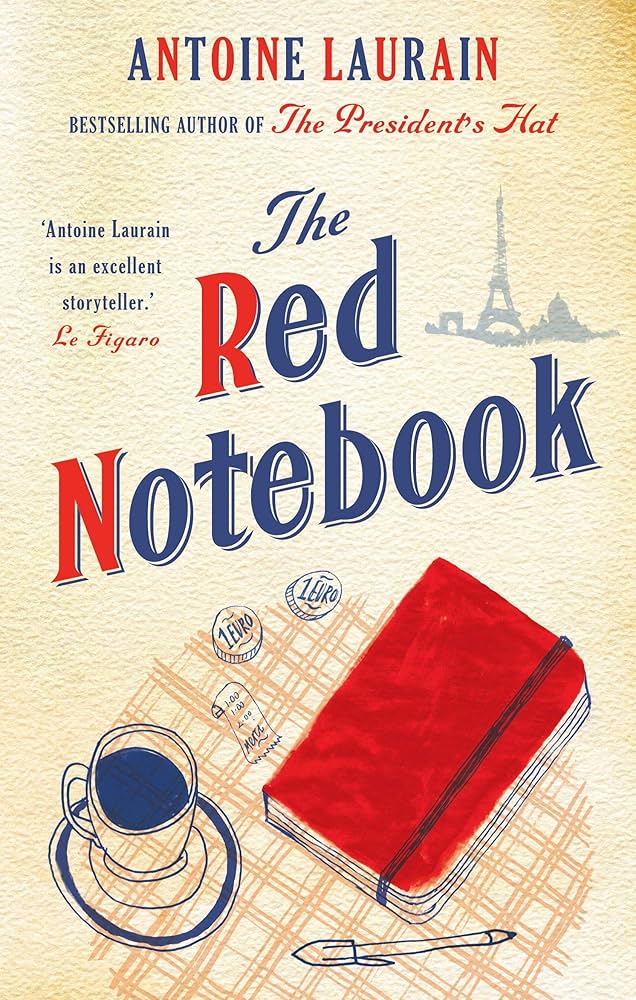
When bookseller Laurent Letellier finds an abandoned handbag on a Paris street, he discovers it belongs to a woman named Laure. Unable to locate her, he begins to piece together who she might be through the contents: a red notebook filled with enigmatic entries, a Modiano novel, theater tickets, a photograph. As Laurent becomes increasingly intrigued by this mysterious woman, he starts to see his own quiet life through new eyes. Meanwhile, we follow Laure as she navigates Paris, unaware that a stranger holds the key to finding her again.
Coming back home now, into a Parisian story that some might define as romance, though it carries that measured French voice of contemporary authors who always seem to contain their enthusiasm—which doesn’t make it syrupy, but rather true to life. An international bestseller translated into numerous languages, it’s beloved worldwide for its quintessentially Parisian charm.
The writing flows freely and the rhythm is perfectly attuned to keep you turning page after page. This feels like meeting two Parisian friends, getting to know both Laurent and Laure in the process.
“What I really need is a friend just like me; I’m sure I’d be my own best friend.”
― Antoine Laurain, The Red Notebook
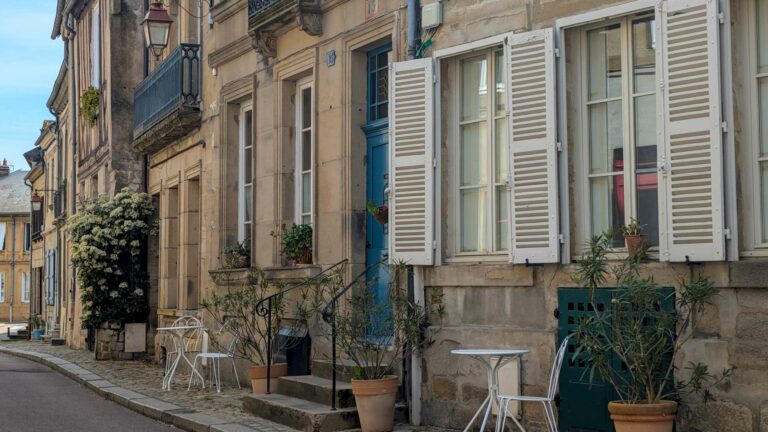
This is not only a relaxing read, but perfect for anyone missing or dreaming of Paris. It has that very authentic atmosphere of quaint little neighbourhoods like La Butte aux Cailles or Ménilmontant, where the boulangère knows everyone’s names, where Saturday morning markets bring every single person out and about, and where the little bookshop that’s been there for decades knows exactly what you would enjoy reading next.
Laurain’s Paris isn’t the Paris of monuments and museums. It’s the Paris of daily rituals, of favorite cafés and familiar faces, of neighborhoods that feel like small villages within the grande ville. Reading this novel is like taking a gentle walk through streets you’ve always known, or perhaps always wanted to know. It celebrates the small serendipities of urban life—the chance encounters, the missed connections, the way a lost object can become a thread connecting two strangers. Paris, for all its grandeur, revealed as a human-scale city built on such moments.
Why These Stories Matter: The Pleasure of Lingering
What these three novels share is something I find essential in self-care reading: they’re deeply humane. Wodehouse with his affectionate mockery of human nature, Pârvulescu with her tender resurrection of a lost world, Laurain with his celebration of small urban enchantments—they all understand that we read not just to escape our lives, but to find reflections of what makes life beautiful. Humor, history, connection. The small moments of grace that make ordinary days extraordinary.
They also share a quality of rhythm that makes them perfect for winter evenings. None of them demand to be devoured in a single sitting. Instead, they invite you to read a chapter or two, then set the book down and simply sit with what you’ve experienced. They give you permission to slow down, to savor, to let reading be a quiet act of restoration rather than consumption.
In our fast-paced world where even leisure feels rushed, where we measure our reading in pages per hour or books per year, these stories offer something countercultural: the pleasure of lingering. They remind us that some of the best reading experiences come not from racing through plot twists, but from allowing ourselves to be fully present in a fictional world—to notice the small details, to let the language wash over us like music, to dream.
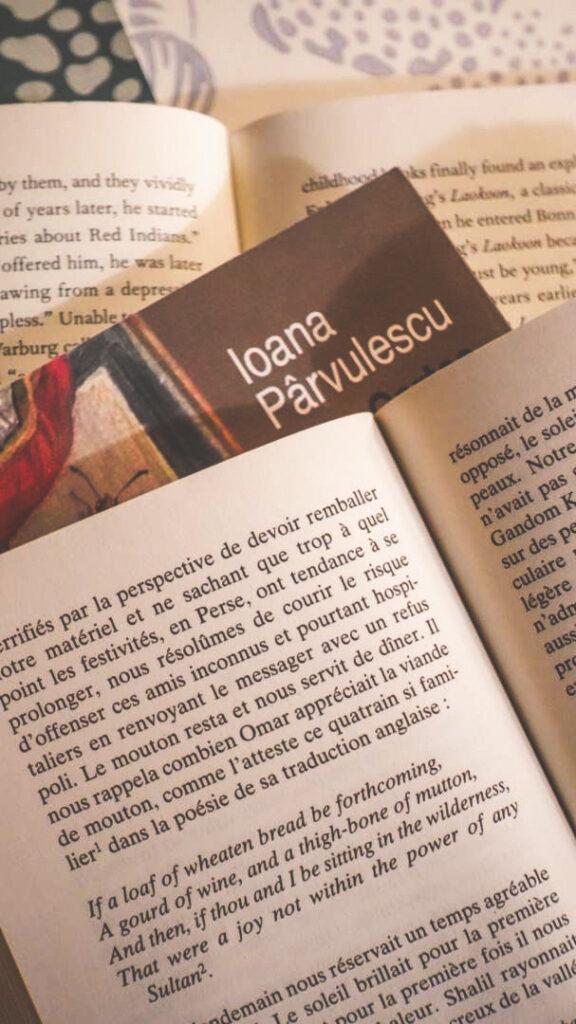
So this winter, when the evenings grow long and the world feels heavy, consider giving yourself the gift of pure story. Light your candles, brew your tea, settle into your favorite reading corner. Let these authors remind you why we fall in love with fiction in the first place: not because it takes us away from ourselves, but because it brings us home to what we love most about being human.

Written by Alexandra Poppy
Writer, reader & curator of The Ritual of Reading
I’m Alexandra, the voice behind The Ritual of Reading. Somewhere between a stack of novels and a half-finished pot of tea, I keep finding traces of the life I want to live—slower, richer, filled with stories. The Ritual of Reading is where I gather what I love: books that linger, places with a past, and rituals that make ordinary days feel a little more meaningful. I write from Paris, where elegant bookshops and old-fashioned cafés offer endless inspiration—and I share it here, hoping it brings a spark to your own days, too.
Enter The Ritual of Reading
Each Sunday, receive a letter to steady your attention—literary inspiration, seasonal rituals and reflections from a life shaped by books.
On the first of each month, a gift: The Literary View, a custom wallpaper created to accompany your days.