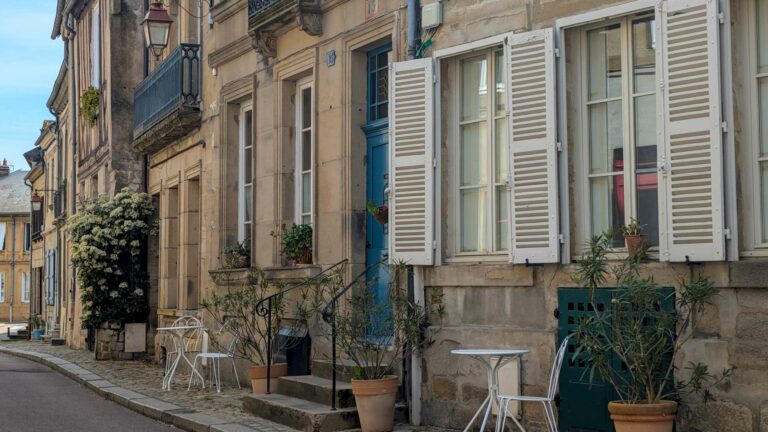

November has arrived wrapped in wool and melancholy, and Paris is responding exactly as expected. The legendary Parisian complaints have made their grand entrance—mainly directed at the weather, naturally—and the shops have unleashed their Christmas displays with unrestrained enthusiasm. Woolen scarves make their first appearance of the season, wrapped around necks with that particular Parisian nonchalance that seems to say, “Yes, it’s cold, but we’re making it look effortless.”
For me, there’s something deeply satisfying about both the grey skies and the premature sparkle of holiday cheer. I’m not rushing into December—there’s far too much beauty in these lengthening November evenings to skip ahead. Leaving work when darkness has already settled over the city, inhaling the scent of rain as it melts down the rusty leaves in the Jardin des Tuileries, finally getting to wear my rain boots as if I’m fraternizing with the raindrops rather than fighting them—this is the Paris I’ve been waiting for all year.
A Woman’s Literary Paris
I spent the whole of October telling you about my favourite French classic authors, and looking back now, I realize they were all men. This isn’t a coincidence, of course. Women authors have long been silenced by social conventions and traditional family roles, their voices muffled by a literary landscape that didn’t always make room for them. But as the weather turns cosy and homely vibes infuse my evenings, I find myself craving those feminine voices—the ones that persisted despite everything, the ones that carved out space where there was none.
So this November, we’re diving into the women who wrote about Paris, who claimed this city as their own on the page even when the society was outraged by their audacity. We’ll discover their styles and their charm, their particular ways of seeing, one deliberate page at a time.
Three Contemporary Voices: Women Writing Paris Now
I’m starting this reading month with three contemporary authors who each bring a completely different style to the page, and that’s such a delight for me as a reader—to discover and adapt, to let myself be surprised and challenged by voices that don’t sound alike.
A short note on how and why I share book links
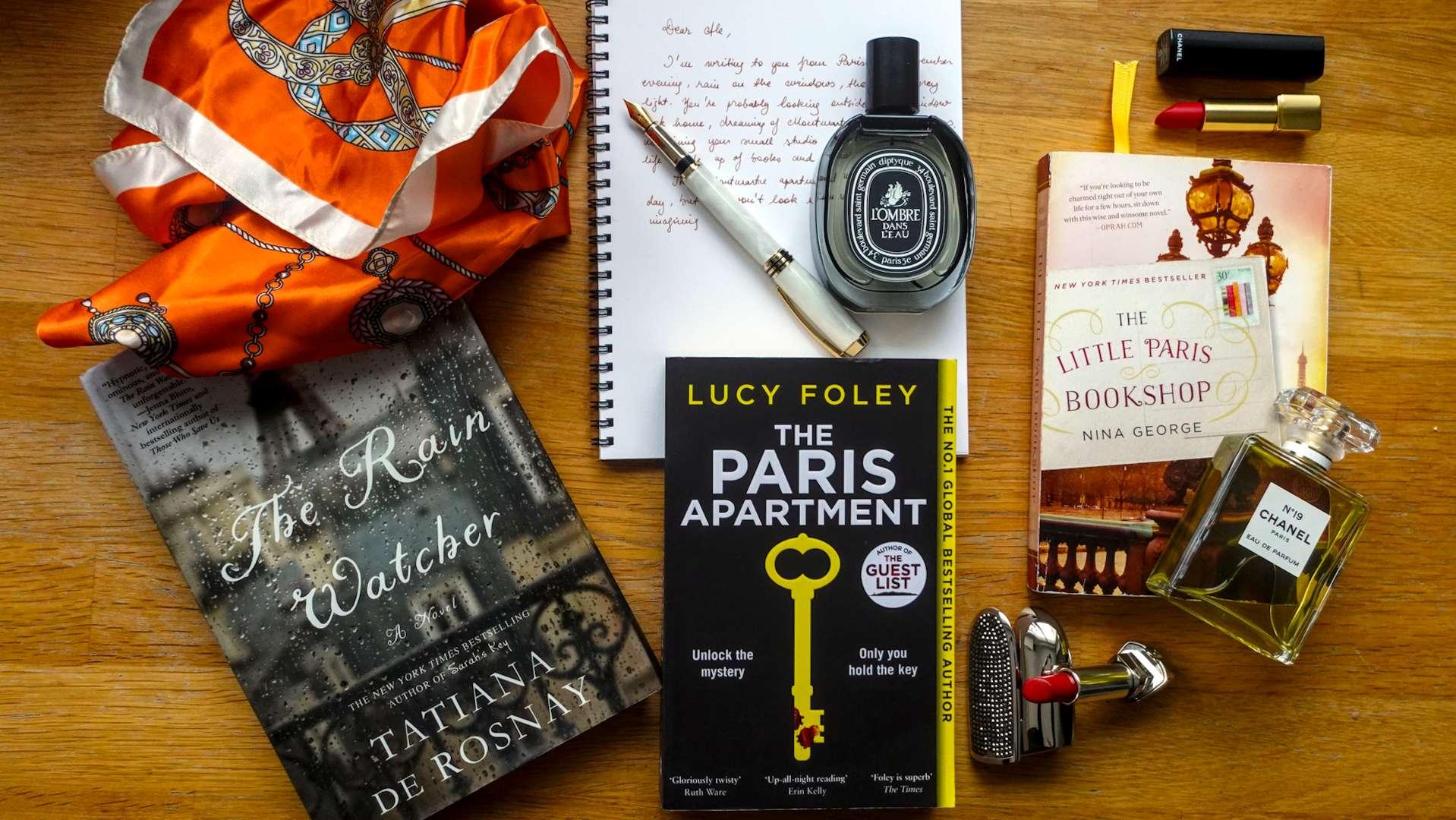
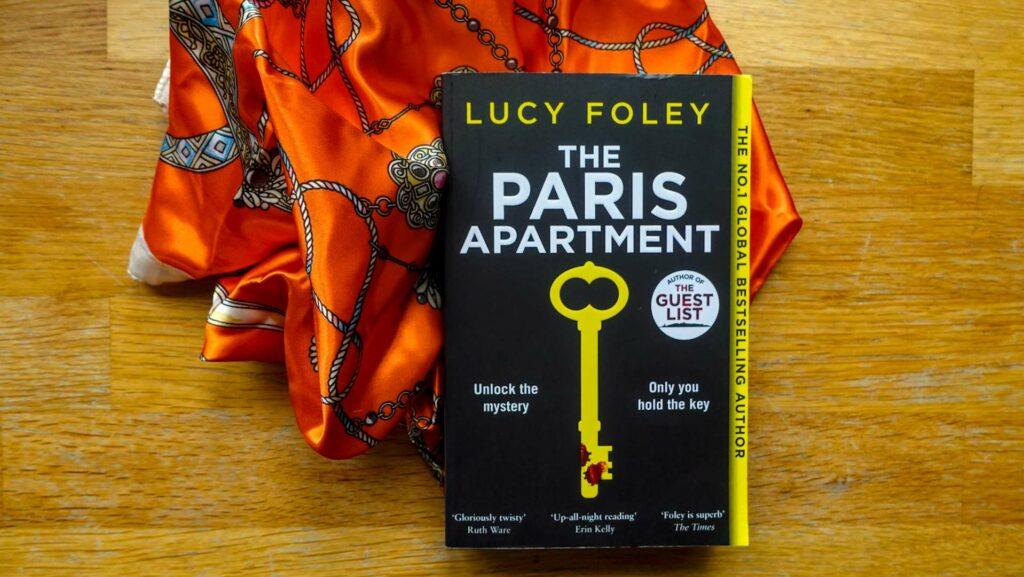
The Paris Apartment
by Lucy Foley
A locked-room mystery set in an exclusive apartment building where every resident harbours secrets darker than the November sky, and where the disappeared brother is only the first question in a building full of lies.
This is your companion for the dark, gusty nights of November. Foley traps you inside a shuttered apartment building at No. 12 rue des Amants, where everyone has something to hide and the beautiful façade conceals something rotten at its core. As the wind howls outside your own window, you become an accomplice, peering through keyholes and listening at doors, unable to look away even as the dread builds.
I’ve already finished this one and surprisingly, I loved it—even though I’m decidedly not a mystery fan. I lean toward the cosy mystery side when I do venture into the genre, and this is definitively not cosy. It’s the rhythm of the writing that kept me in this permanent state of tension from start to finish, almost addictive despite the darkness. This was a palate cleanser for me, unusual and still not entirely my style, but years from now when I won’t remember the exact plot, I’ll still be able to say, “Oh yes, I loved reading that one.” Sometimes a book doesn’t need to be your natural home to be worth the visit.
A short note on how and why I share book links
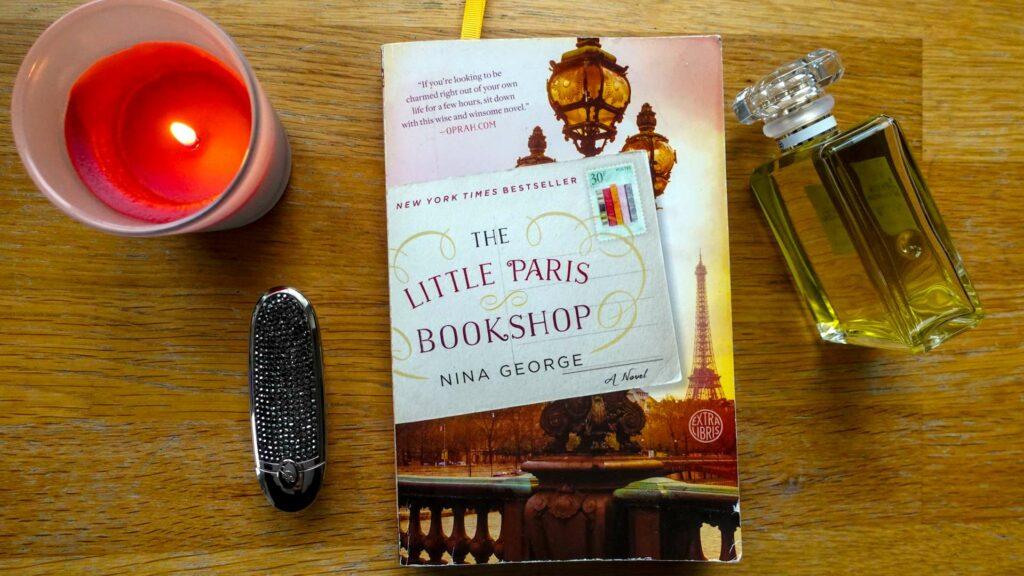
The Little Paris Bookshop
by Nina George
A floating bookshop captain prescribes novels like medicine, drifting through the waterways of France in search of the stories that heal—and finally, after decades of running, the courage to heal himself.
This is the book as balm. For the days when the grey feels a little too heavy, when November’s melancholy threatens to tip into something heavier, board Monsieur Perdu’s barge, the Lulu. Filled with books that are “medicine for the soul,” this floating bookshop drifts through French canals carrying the exact stories that people need, even when they don’t know they need them.
George’s novel is a love letter to the healing power of reading and the quiet courage it takes to unmoor ourselves from the past—to finally let the current carry us somewhere new. It’s the literary equivalent of a warm, buttery madeleine, to be savoured slowly when your heart needs tending. The exact opposite of The Paris Apartment in every way, and therefore the perfect follow-up read. I haven’t finished it yet—I’m taking my time, making a good thing last, letting it work its gentle magic page by page.
A short note on how and why I share book links
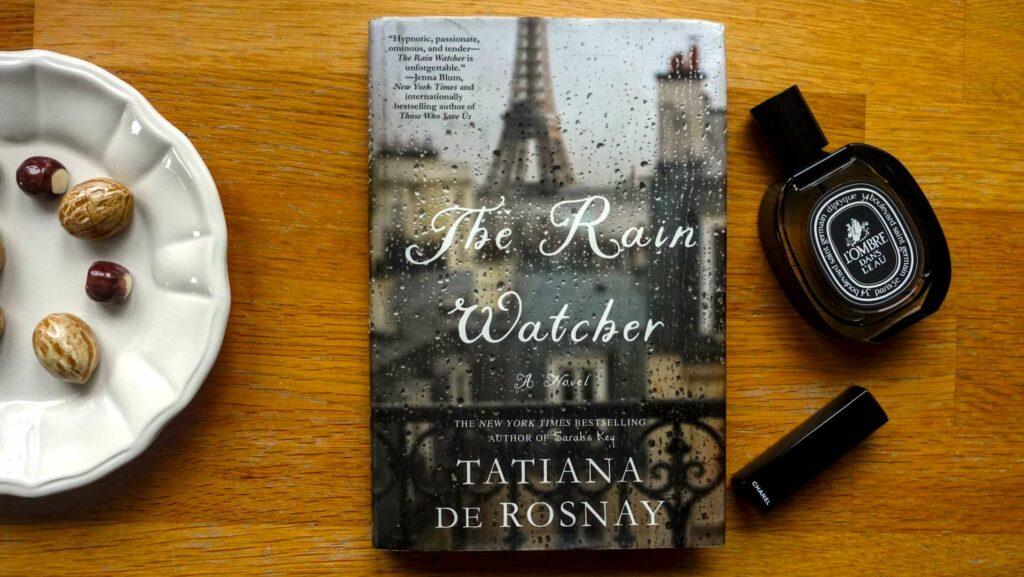
The Rain Watcher
by Tatiana de Rosnay
As the Seine rises and Paris holds its breath on flood alert, a family gathers at their patriarch’s bedside, and the waters aren’t the only thing threatening to breach the surface—generations of secrets are rising too.
This book is November. It opens with the city on flood alert, the Seine swelling, mirroring the family secrets and long-held sorrows that are about to spill over. De Rosnay captures the moody, atmospheric tension of a city holding its breath, waiting for something inevitable to break. It’s an intimate story of family, memory, and the past’s inescapable pull—the way our histories shape us even when we think we’ve moved beyond them.
I’m almost done with it now, and I can already recognize the feeling I get whenever I’m reading Tatiana de Rosnay—a Parisian melancholy mixed with curiosity and resignation, if you can believe such a combination exists. It’s as if her stories are the embodiment of an accepted fatality: life is simply like that, complex, difficult to understand at times, and there’s no other way but to keep moving forward. This is definitely a book to read this time of year, when the rain matches your mood and you’re not entirely sure if that’s comforting or unsettling.
The Soundtrack of a Woman’s Paris
There’s a general understanding that French songs are more about the lyrics than the music itself—at least, that’s what my best friend keeps telling me. Each time she says this, I start browsing through my memories, testing the theory against everything I know and love about French music. So whether you think the words are the main charm of French chanson, or whether the style of its melody strikes a deeper chord with you, there’s no better time than November to dive into some truly Parisian vibes.
I’ve gathered some of my favourite feminine voices into a playlist that will feel like an instant escape to a Parisian café. I recommend pairing it with une noisette—a strong espresso with just a dash of milk to cut through the bitterness, a truly Parisian café order. And for the night owls reading this with evening wine in hand, try a Chinon from the Loire Valley. It will surprise you with its elegance and its quiet depth, much like the voices you’re about to discover.

My Three Essentials for a Feminine Ritual in Paris
The fascination with French style seems to have existed since forever, and the Parisian woman is always at the heart of it—this mythical creature who supposedly wakes up looking effortlessly chic and never seems to try too hard. If I’m being honest, not everything about the French Woman’s Style speaks to me, but there are three essentials that never fail to give me that indescribable Parisian feeling, as if I weren’t an adoptive daughter of this city but a native in her own right.

Red Lipstick: The Original Armour
When I first started wearing red lipstick back in my small provincial hometown, not even the grandmothers were doing it anymore. They used to call me the “Italian Aunt” since it made me look older and a little Sophia Loren—or so I like to imagine it, at least. Since then, red lipstick has had a comeback and a liberation from old imagery, yet it somehow feels eternally linked to French style, to a certain kind of unapologetic femininity that doesn’t ask for permission.
The current two shades of red in my vanity are quintessentially French: Chanel’s Rouge Allure Intense in shade 257 Rouge Triomphal—a deep red with a blue undertone, perfect for my light complexion—and Guerlain’s Rouge G in shade 510 Le Rouge Vibrant with its personalized case, a warmer tone with an orange undertone that I reach for particulary in Autumn.

Perfumes: The Invisible Signature
There are two signature scents in my current perfume collection that I identify with Paris at any time, in any season. The first is Diptyque’s L’Ombre dans l’Eau—roses and blackcurrant that smell of great aunts and lace gloves, of elegant Sunday lunches and inherited jewelry, of a Paris that exists more in memory than in reality but feels no less real for it.
The second is Chanel’s N°19—a sharp woody green, rich with character and force, the last fragrance worn by Gabrielle Chanel herself. It’s not a perfume that whispers; it announces. It’s the scent of a woman who doesn’t wait to be invited into the room but walks in knowing she belongs there. Both of these fragrances carry me through November’s grey days, invisible armour against the encroaching dark.

Scarves: The Non-Negotiable
If Paris teaches you a single thing, it’s the art of wearing scarves all year long. The Hermès Carré is not a relic of the past here—every respectable Parisian has a silk or cashmere wing that follows her every movement around the city. This is definitively not weather-related. You’ll see women in Birkenstock sandals, barefoot, but still with a scarf wrapped around their neck. It’s the greatest fashion statement of the city, the one detail that signals you understand the rules of the game.
No matter how long you try to resist it—and I did resist, thinking it was snobbish and unnecessary—you’ll give in eventually. The scarf becomes part of you, the final touch that makes you feel put together even when everything else is falling apart. It’s November’s kindest accessory, both practical and poetic, warming your neck as you walk home through the rain.
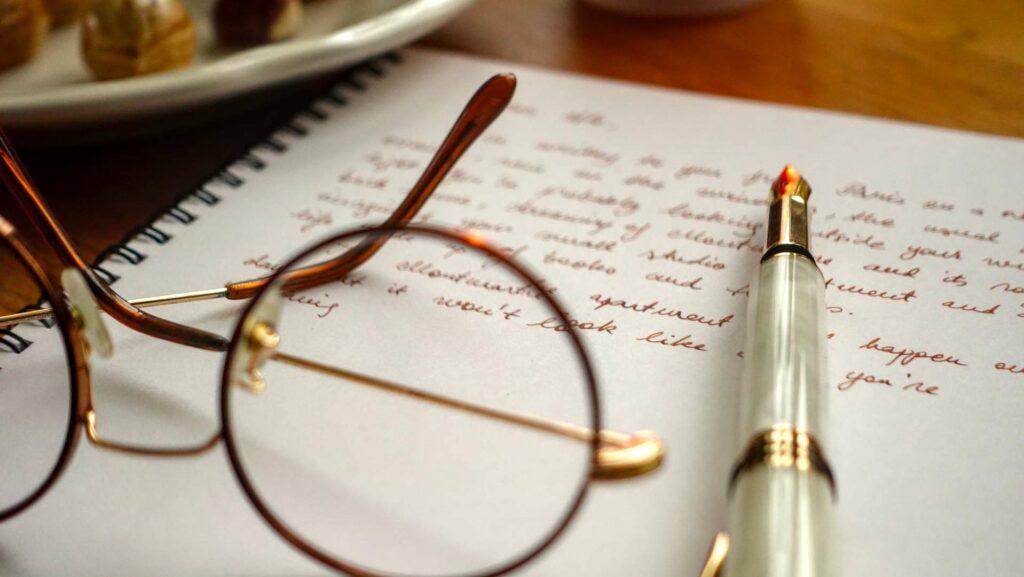
An Evening Ritual for November: Letters to the Self
The first time the idea of living in Paris crossed my mind, I must have been in high school, and the vision was crystalline—a studio apartment under the roofs of Montmartre, all slanted ceilings and rain on skylights and the kind of bohemian romance that exists primarily in imagination. Reality asked for a few detours, as it tends to do. At one point I did live for two years under the roofs of Montmartre, and it wasn’t at all how I’d imagined it—less romantic nook, more perpetual climb up six flights of stairs and freezing wind howling through old windows.
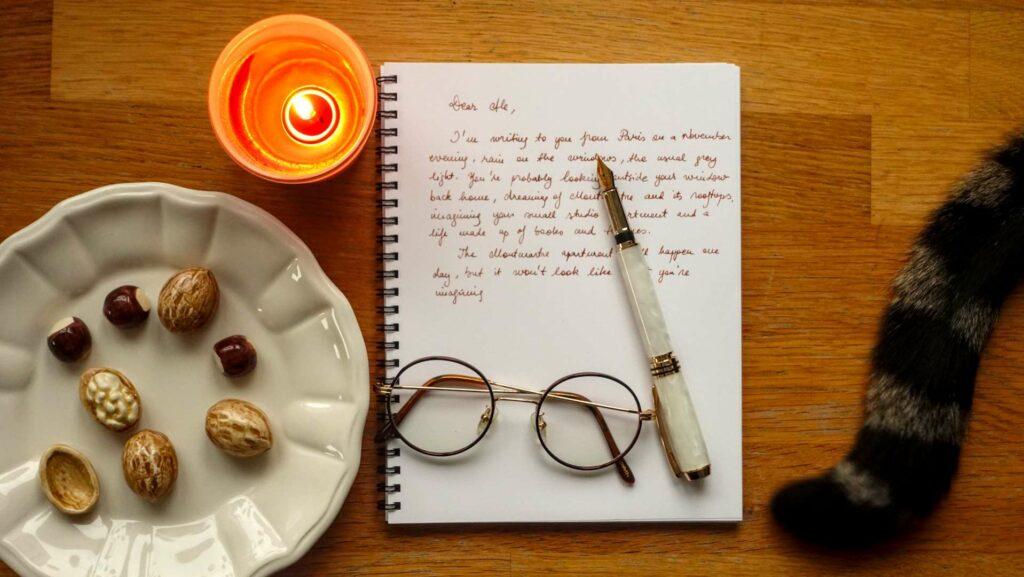
But looking back at the adventure it has been, at all the versions of myself who’ve walked these streets, I feel the need for a ritual: writing my younger self a letter to prepare her for what’s to come. Not as a conclusion, because the story isn’t over, but as a reminder of the feminine force that inhabits me, whether I realize it or not in the moment. It’s a feminist ritual made intimate, designed to empower the long November evenings and awaken the manifesting force that exists in all of us.
What would you write to your younger self, now that you know how things have evolved in time? What hardships forged your character, and what unexpected magic lifted your spirit? What would you warn her about, and what would you keep secret, knowing she needs to discover it on her own terms?
Try writing that letter on one of these dark November evenings. Pour yourself that glass of Chinon, light a candle, and let your pen move across the page. You might feel transformed when it finally stops writing—not because the past has changed, but because you’ve finally given voice to how far you’ve traveled to become exactly who you are.
Until Next Time
I hope you’ll join me this November as we celebrate the women who wrote Paris into being, who claimed this city’s streets and cafés and grey skies as their own. Whether you’re discovering these authors for the first time or revisiting old favourites with fresh eyes, may this be a month of feminine voices and quiet strength, of red lipstick and rain boots and letters written to the selves we used to be.
Until next time, let the women writers guide you home.

Written by Alexandra Poppy
Writer, reader & curator of The Ritual of Reading
I’m Alexandra, the voice behind The Ritual of Reading. Somewhere between a stack of novels and a half-finished pot of tea, I keep finding traces of the life I want to live—slower, richer, filled with stories. The Ritual of Reading is where I gather what I love: books that linger, places with a past, and rituals that make ordinary days feel a little more meaningful. I write from Paris, where elegant bookshops and old-fashioned cafés offer endless inspiration—and I share it here, hoping it brings a spark to your own days, too.
Enter The Ritual of Reading
Each Sunday, receive a letter to steady your attention—literary inspiration, seasonal rituals and reflections from a life shaped by books.
On the first of each month, a gift: The Literary View, a custom wallpaper created to accompany your days.