
October has arrived like a character from another century, dressed in amber light and carrying the scent of old paper.
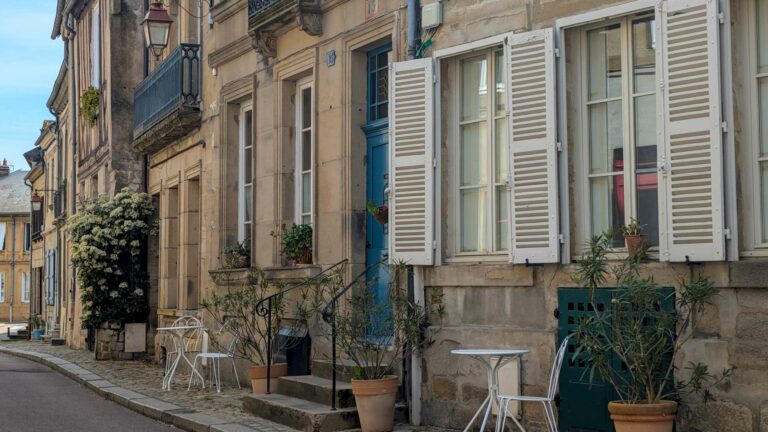
My Parisian autumn is unfolding exactly as I’d hoped—an opportunity to reflect on what Paris truly symbolises for me. And while this city has always had an insatiable appetite for the avant-garde, there is no denying that Paris still reflects, perhaps above all else, the extraordinary richness of its past. From the grandeur of palaces and theatres to the elegant symmetry of Haussmann’s façades, from the endlessly fascinating museums to the very cobblestones beneath my feet—everything around me seems arranged for contemplating the beauty of what came before.
So I’ve decided to let this October guide me towards the classics—literature and beyond—as a way to reconnect with the timeless beauty of Paris, to immerse myself in the voices that shaped not just this city, but the way we understand ourselves.
On French Literature and the Curious Gap in Our Reading
Ever since I joined BookTube, I’ve been struck by two things—and these are simply observations, in no way criticism, since I believe reading has nothing to do with obligation, so our choices are entirely personal and need no justification.
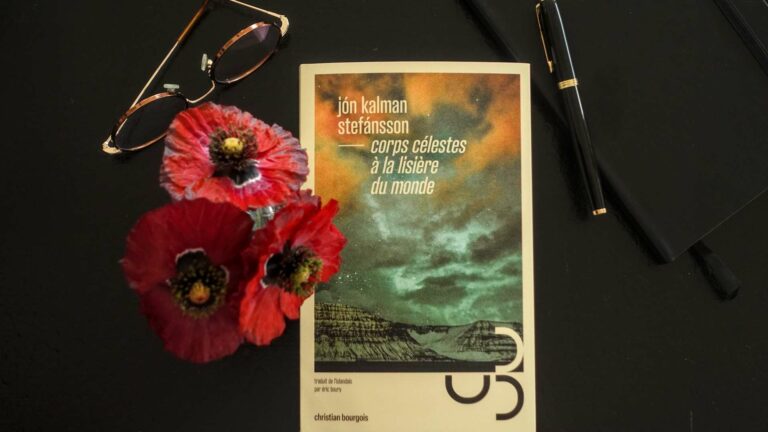
First, how few dedicated English-speaking readers include French authors in their literary diet. And second, how the “classics” category seems to elude French literature almost entirely in broader conversations, with the notable exception of Victor Hugo—though I have a feeling this is mainly due to the musical and less to his writing.
This pattern has made me want to speak of French classics more and more—not only because I studied them intensely during my university years, but because I truly believe French literature is one of the cornerstones of Western culture as we know it today. It has shaped so much of our critical thinking, set the standards for our understanding of human nature, and offered us a mirror in which to examine the complexities of the world. These are not dusty relics to be admired from a distance; they are living texts that continue to illuminate our contemporary existence.
Revisiting the Masters: An Audiobook Journey
I’ve mentioned this a few times in recent weeks, but I am deep in an intensive audiobook era. My brain feels remarkably receptive to the auditory dimension of understanding right now, so I’m taking full advantage of my Audible subscription to revisit some of the giants of French literature. And let me tell you—listening to a well-narrated novel can completely transform your perspective on classics you thought you knew. Here are the three that have been accompanying me through the first of October’s lengthening evenings.
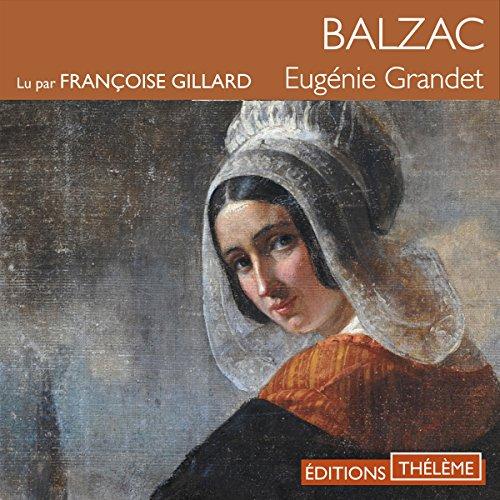
Eugénie Grandet
by Honoré de Balzac
A poignant study of innocence crushed under the weight of greed, as a young woman’s quiet devotion and selflessness are tested within the suffocating walls of her father’s miserly home.
This felt particularly immersive to me since the action unfolds in the small town of Saumur, nestled in the Loire Valley—a place I’ve come to know intimately through my numerous visits to the Fontevraud Abbey. Balzac’s exceptional descriptions of the settings create the perfect frame for his true mastery: capturing human nature through the archetypes of XIXth-century French society. It’s not so much the interactions between characters that fascinate—that’s the forte of other great French authors—but rather the unique character traits that describe such vivid, almost painfully real personalities. The miserly father Grandet, the innocent daughter, the web of provincial society closing in around them—all rendered with such precision that you can almost smell the damp stone of their old house. Listening to Eugénie Grandet has felt infinitely more enriching than my distant memories from uni.

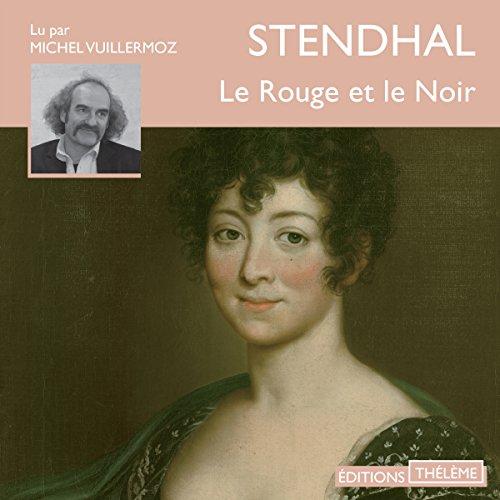
Le Rouge et le Noir
(The Red and the Black)
by Stendhal
The ruthless ascent of Julien Sorel, a provincial dreamer determined to conquer the rigid hierarchies of Restoration France, only to be undone by his own ambition and desire.
Listening to this novel has brought back all of the memories of my initial read, now decades ago. If Balzac felt like an entirely new experience, Stendhal has been a confirmation that for me, his genius resides in underlining human error with surgical precision. All of his characters seem like deeply flawed human beings, victims of their own greed, ambition, and lack of moral compass, yet his plots never feel moralising or heavy-handed. He masters the art of subtlety with such grace that observing that craftsmanship alone is worthwhile, regardless of how you feel about the story itself. This was not, and still isn’t, a narrative I am particularly fond of—Julien Sorel’s calculated social climbing leaves me cold—but it’s the writing itself that I admire, the way Stendhal dissects psychological motivations with almost clinical detachment. The audio format proves surprisingly well-suited to this endeavour, allowing the narrator’s voice to carry you through Stendhal’s intricate psychological landscapes.
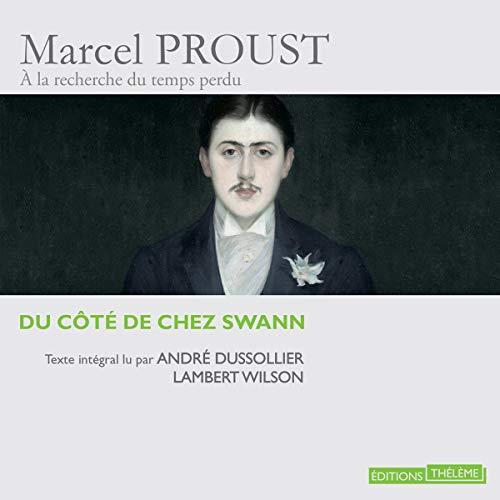
À la recherche du temps perdu
(In Search of Lost Time)
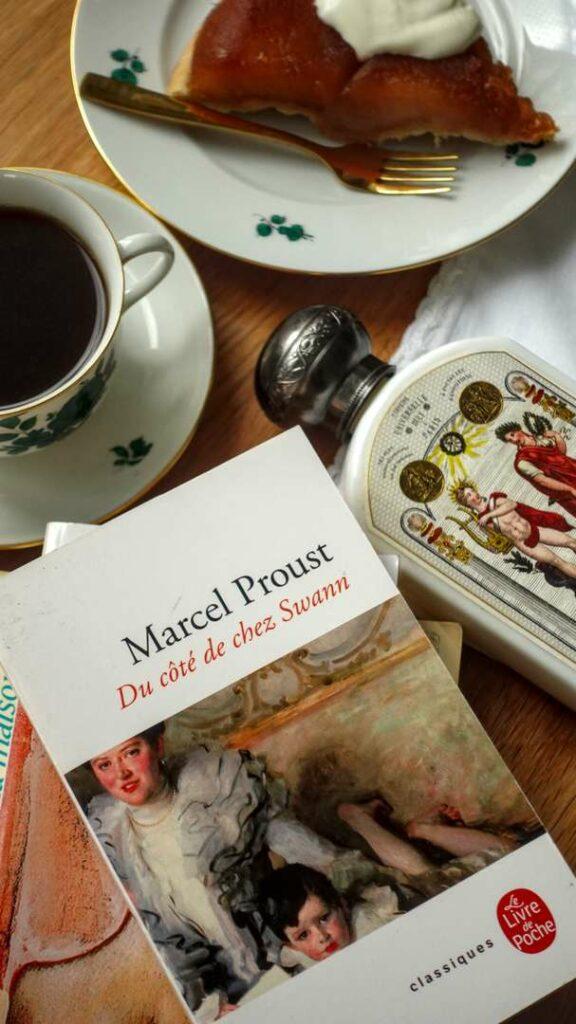
by Marcel Proust
An odyssey through memory, art, and desire, as one man’s search for lost moments becomes a meditation on the very texture of time and the fragility of human experience.
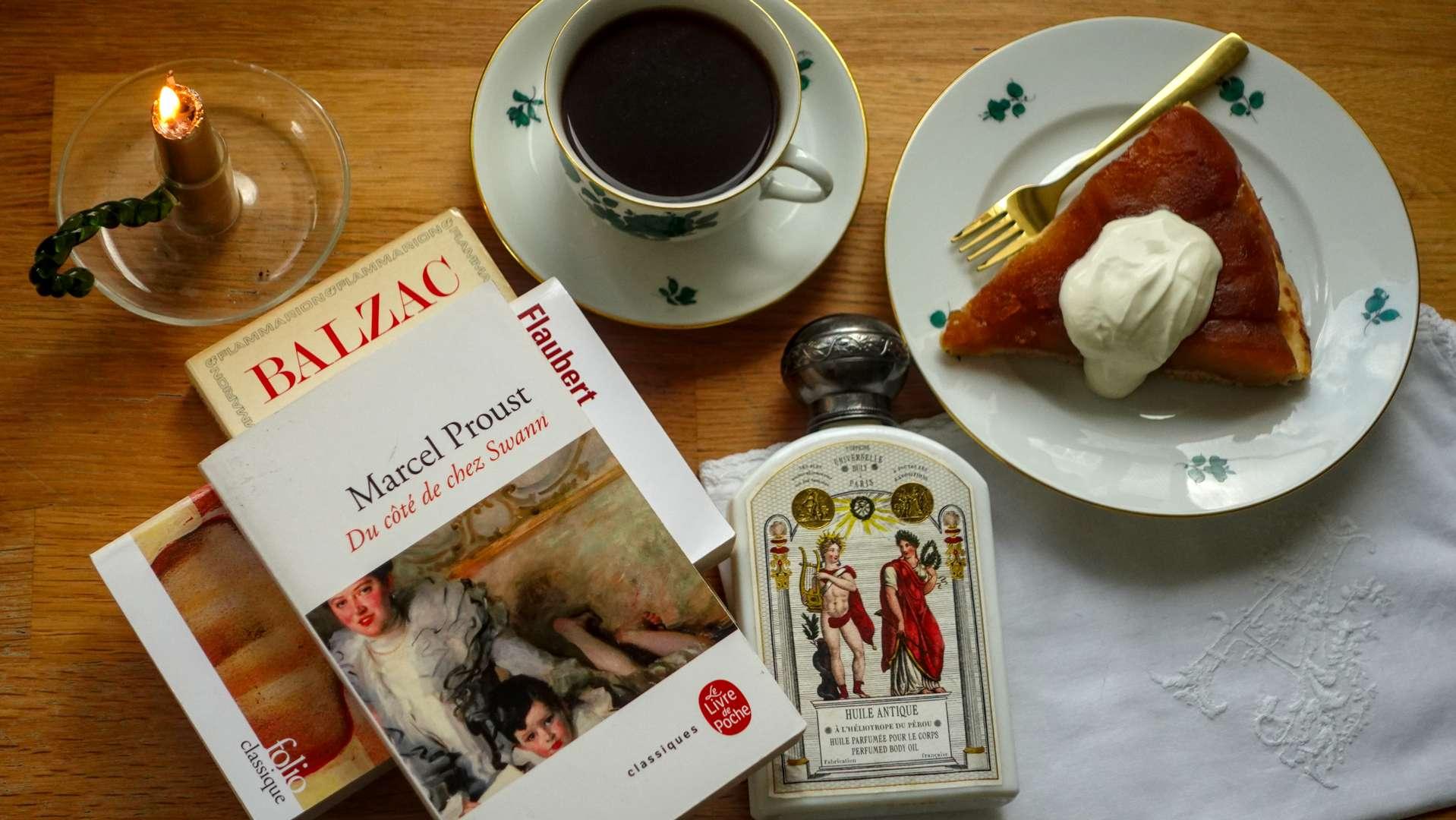
Perhaps one of the most celebrated—and intimidating—French classics, Proust’s masterpiece has always felt somewhat unreachable to me. I haven’t read all seven volumes, and I’m starting to believe this might be the quest of a lifetime rather than a single reading project. But what I do feel, with increasing certainty, is that the audio version offers the easier entry point into the realm of what is reputedly the longest novel ever written. They say you need to lean into discomfort in order to understand something essential about yourself, and for me, the greatest challenge in Proust’s writing has always been those never-ending sentences—those serpentine constructions that wind through memory and sensation, doubling back on themselves, accumulating detail upon detail. To follow his train of thought is an exercise in comprehension, and one of the most demanding at that. The quality of the narration in the audio version, however, allows me to grasp his ideas with surprising ease, the reader’s breath and pacing creating natural rhythms within those monumental phrases. Perhaps I was meant to listen to Proust all along and have only now found my way into his world. Time has not been lost in the meantime—timing, as always, is everything.
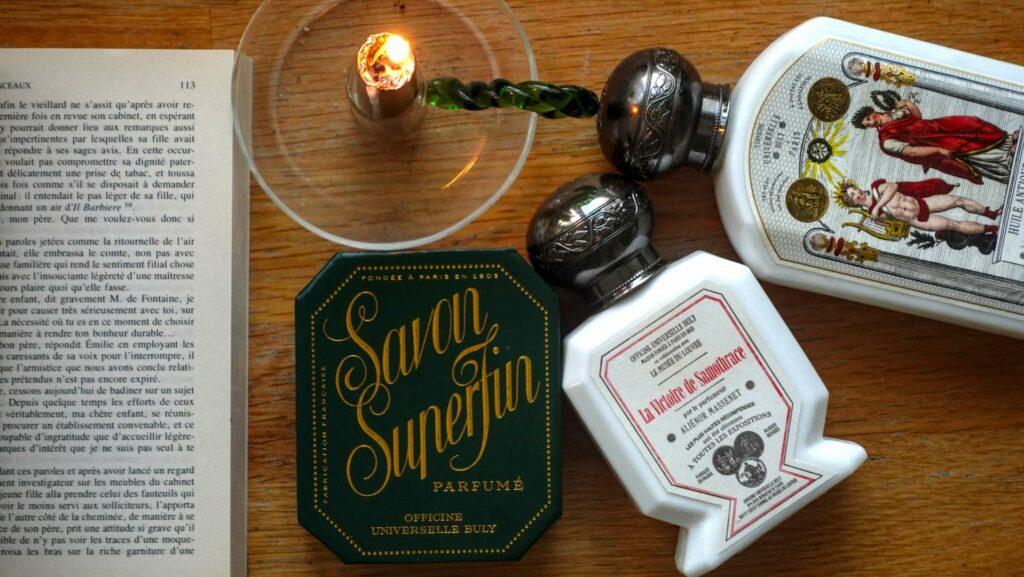
Timeless Beauty: L’Officine Universelle Buly 1803
Timeless literature naturally inspires timeless rituals, and so this October sits under the sign of tradition in beauty for me. There is a brand I’ve mentioned before as one of my favourite cosmetics and perfume houses, one so perfectly suited to my classics theme that I simply had to share it with you properly: L’Officine Universelle Buly 1803.
Created to honour the extraordinary success of Jean-Vincent Bully at the beginning of the XIXth century—particularly his award-winning Aromatic and Antimephitic Vinegar—L’Officine Universelle Buly 1803 is a loving reincarnation of eternal French style. Jean-Vincent’s heritage was reborn in 2014 as a veritable bastion against the disappearance of the world’s beauty heritage, a deliberate resistance to the homogenisation that threatens to make everything look and smell the same.
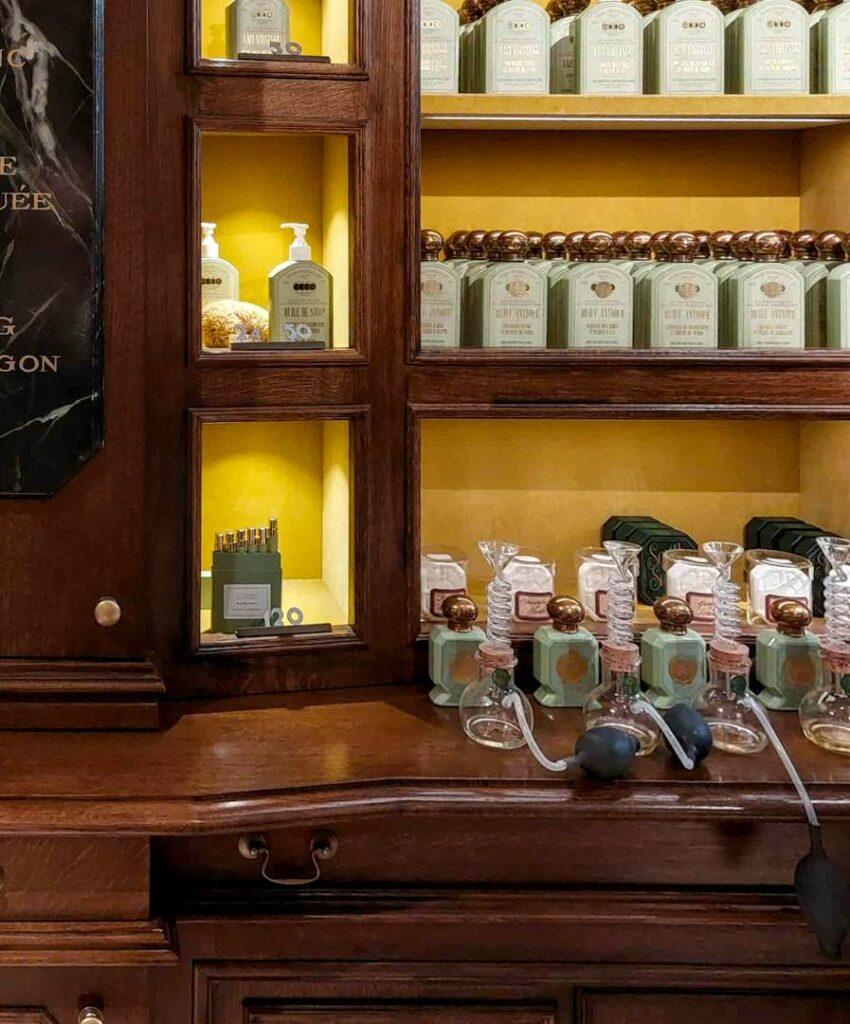
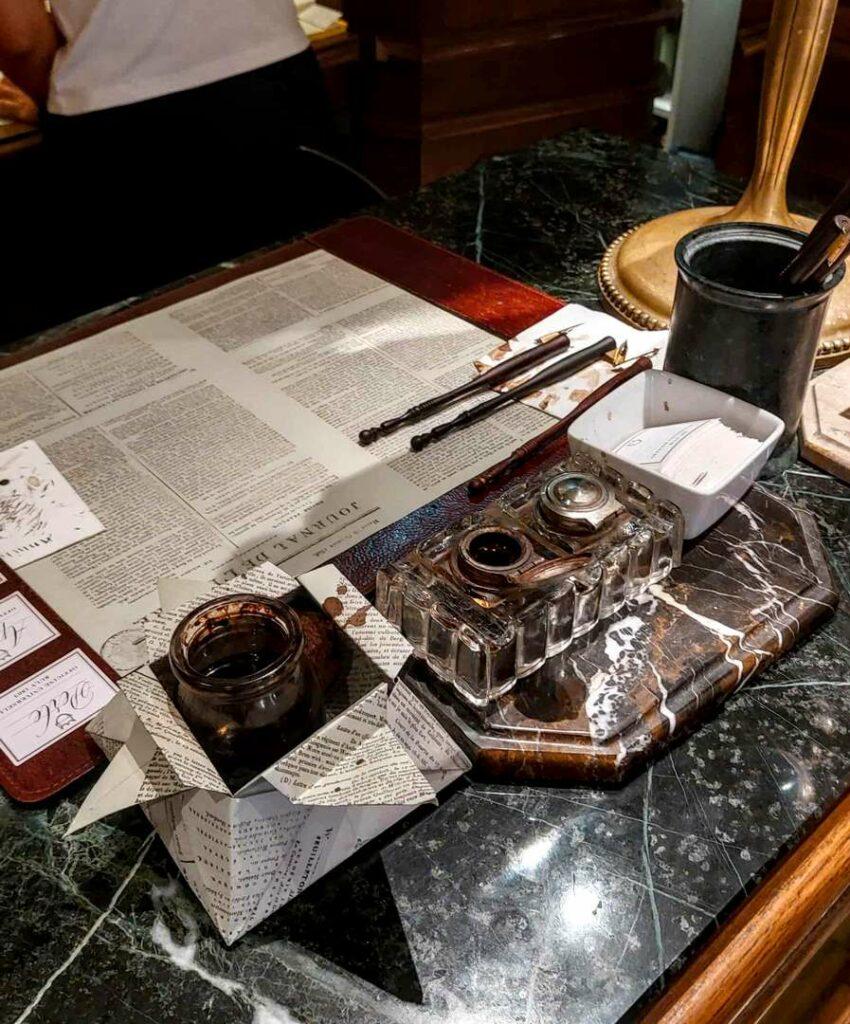
And that’s exactly what you feel when entering one of their boutiques (albeit after some time waiting in line, since the brand has gained considerable fame in recent years): from the absolute uniqueness of their scents to the sensory pleasure of the products, all wrapped in the classic elegance of their packaging—everything is designed to transport you into an ideal XIXth-century boudoir. The shopping experience itself is the epitome of refined elegance: the sales team in every Buly boutique is trained to create an atmosphere of natural luxury, where nothing is excessive yet every detail—from the elegant glass funnels for experiencing the perfume collection to the calligraphy experts who personalise each product with your initials—each element is reminiscent of a French chic that feels both utterly timeless and surprisingly contemporary.
When you find yourself using one of their products at home, your mind naturally wanders back to that classic elegance the brand so effortlessly conveys—your senses transported, your spirit quietly delighted by this small act of beauty. This is truly one of my favourite French brands, and as you know, this isn’t sponsored in any way. My enthusiasm is genuine, and my joy in sharing it with you is always authentic.
The Elegance of Linen and Everyday Beauty
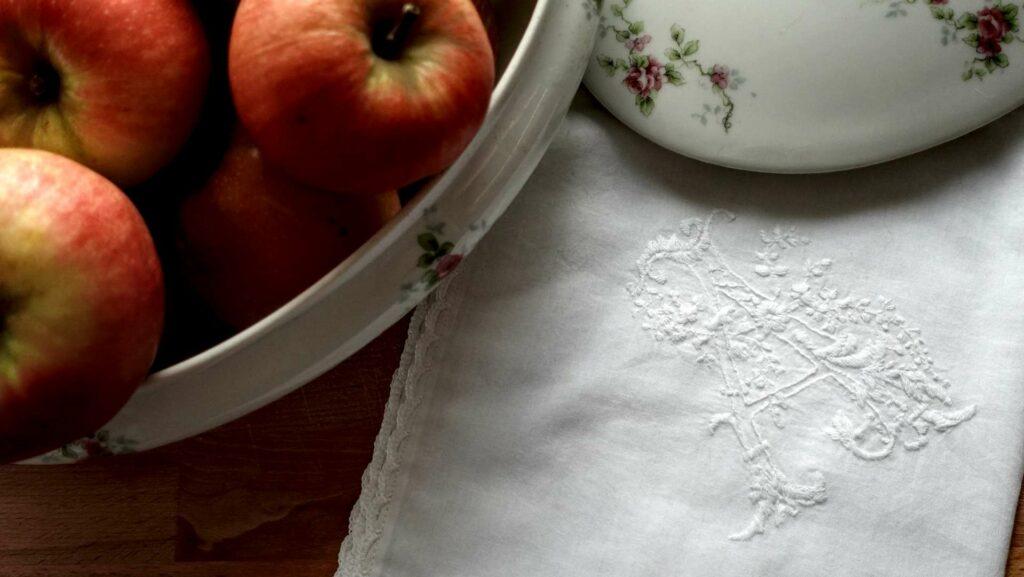
My classics mood, as reading often does for me, translates into every moment of my day—so this October, I’m bringing out the timeless linens for their moment in the autumn light. You may have family heirlooms tucked away in drawers: delicate tea sets passed down through generations, napkins embroidered by your grandmother’s patient hands. You might fancy trying some embroidery yourself during the long autumn evenings, needle and thread moving in meditative rhythm. Or perhaps you’ll have a look at your local charity shop for some forgotten beauties just waiting for a new chapter in their lives, rescued from obscurity and given purpose once more.
Either way, there’s no denying that a meal—be it an elaborate Sunday lunch or simply a cup of tea with some finger sandwiches—is infinitely more satisfying when accompanied by beautiful linen. This set of table napkins has been a gift from my mother, entirely handmade by her and monogrammed especially for me. It is the kind of gift one treasures for a lifetime, the kind of accessory that elevates any setting from ordinary to memorable. So perhaps this October, treat yourself as you would a treasured guest. Bring out the fine cotton, smooth it across your table, and let yourself travel through time with each carefully folded corner.

A Tribute to Normandy: Tarte Tatin and Guy de Maupassant
As for my cooking, the apple harvest is the most tempting event of October for me, and I’m doing some simple baking to honour the abundance of autumn. Since we’re in the mood for classics, here is my take on a French staple recipe, the Tarte Tatin—inspired by the apple orchards of Normandy and the writing of Guy de Maupassant.
The legend surrounding this dessert is famous: the Tatin sisters, rushing to assemble a full menu at the last minute, forgot to layer their pan with pastry before adding the apples, so it ended up on top, resulting in the gloriously caramelised upside-down tart we know today. French culinary historians, however, recognise this as a traditional recipe from the Sologne region in central France, with written testimonies dating from the 1920s. My inspiration, though, is rooted in the western part of France and comes, as always, from literature.
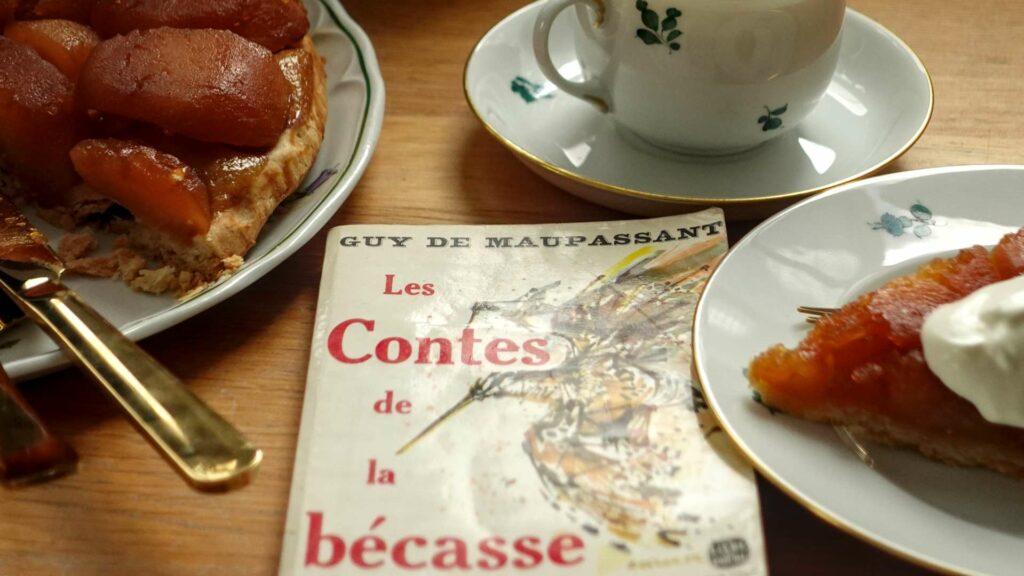
My affection for one of Normandy’s most celebrated writers, Guy de Maupassant, dates back to my teenage years. His novel Une vie (A Life) was the first French novel I ever read in the original language, and even though everyone told me it wasn’t his greatest work, it made an indelible impression on me. I could almost attribute my decision to study French literature to that singular reading experience—the way his prose captured both the beauty and the quiet tragedy of ordinary life, the way his characters felt so achingly real.
So my October recipe is a tribute to Maupassant: to his brilliance as a storyteller, to the excellence of his character portraits, to the authentically French atmosphere that permeates his tales of provincial life. You can find the full recipe in the Reader’s Table section, as always— I encourage you to let your apples caramelise slowly, to watch them transform into something golden and rich, much like these October days themselves.
Until Next Time
I hope you’ll join me this October as I reconnect with some of the greatest works in universal literature. Whether you’ve read and studied these books before, or whether you’re just opening the door to French literature for the first time, may this be a gentle reminder that inspiration transcends centuries and fashions, that elegance is a choice we make every single day, one deliberate page at a time.
Until next time, let the classics guide you home.
Shopping List
If you would like to support The Ritual of Reading, please consider purchasing your books from the Bookshop.org dedicated site by clicking the links below. You get to support local bookstores and I make a small commission with every purchase. Thank you !

Written by Alexandra Poppy
Writer, reader & curator of The Ritual of Reading
I’m Alexandra, the voice behind The Ritual of Reading. Somewhere between a stack of novels and a half-finished pot of tea, I keep finding traces of the life I want to live—slower, richer, filled with stories. The Ritual of Reading is where I gather what I love: books that linger, places with a past, and rituals that make ordinary days feel a little more meaningful. I write from Paris, where elegant bookshops and old-fashioned cafés offer endless inspiration—and I share it here, hoping it brings a spark to your own days, too.