Italian cities hold the treasures of millennia — Renaissance palaces, Byzantine mosaics, Baroque fountains. They dazzle us with art in every form, and their bustling piazzas honour the complex, layered history of this land. I am a passionate advocate of the mindful city life, and it feels like Italy perfectly resonates with my philosophy, with each city becoming an invitation to marvel at the beauty we are capable of creating as human beings.
Yet for many of us, the dream of Italy isn’t only found in Rome’s grandeur or Florence’s galleries. It lies beyond the city walls, in landscapes where olive groves slope gently into the horizon, where vineyards catch the evening light, and where the rhythm of life feels slower, almost timeless. Maybe it is the allure of mornings punctuated by church bells rather than car horns, of evenings measured not by traffic but by the slow fade of golden light across vineyards.
The Italian countryside offers something the cities, magnificent as they are, cannot: space to breathe, to be, to remember what it feels like to move through life at the pace of the seasons rather than the speed of notifications. It is where la dolce vita reveals its truest form — not as performance or postcard fantasy, but as a way of inhabiting the world with presence.
Whether you’ve chosen your camp between city life or countryside, or maybe like me, you’re allowing yourself the luxury of simply not choosing sides, here are three books that speak, each in their own way, about the beauty of Italian country life — stories that transport us to those sun-dappled landscapes and remind us why rural Italy continues to captivate hearts across continents.
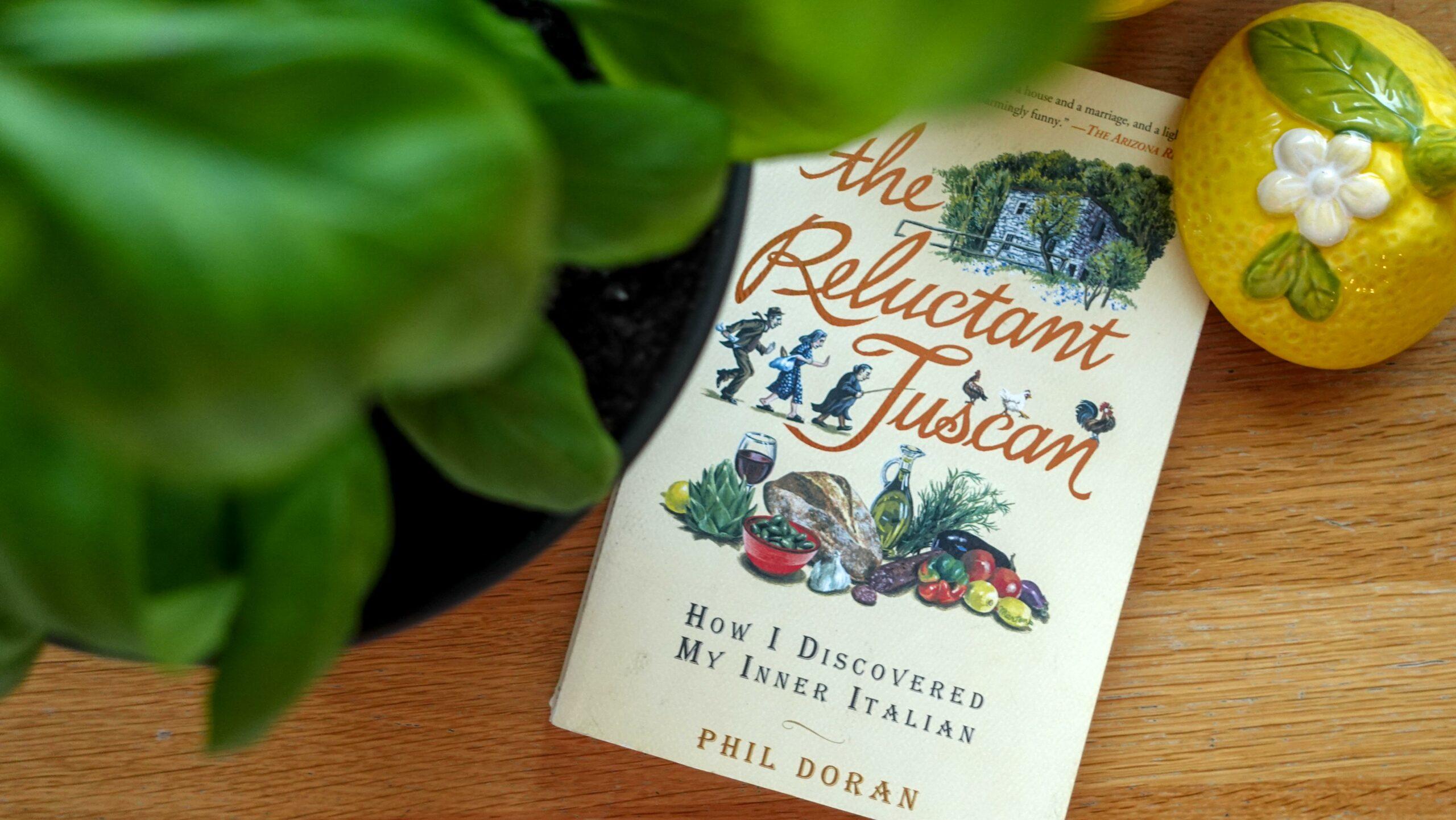
The Reluctant Tuscan by Phil Doran
Sometimes the most transformative journeys begin with the greatest resistance. Phil Doran’s memoir chronicles his reluctant transition from the frenetic pace of Hollywood screenwriting to the measured rhythms of Tuscan village life. What begins as his wife’s dream becomes his own awakening to a different way of being.
Doran writes with the sharp wit of someone trained to craft stories, but beneath the humor lies something profound: the gradual dissolution of a life built on constant motion. His encounters with local characters — the stubborn contractor, the wise neighbor, the labyrinthine bureaucracy — become lessons in patience, community, and the art of accepting what cannot be changed.
What makes this memoir compelling is its honesty about transformation. Doran doesn’t romanticize the experience. Instead, he shows us how discomfort can be a doorway, how the very frustrations of rural life often conceal the gifts we most need to receive. In Tuscany, he discovers that productivity and peace are not opposites — they are simply measured by different clocks.
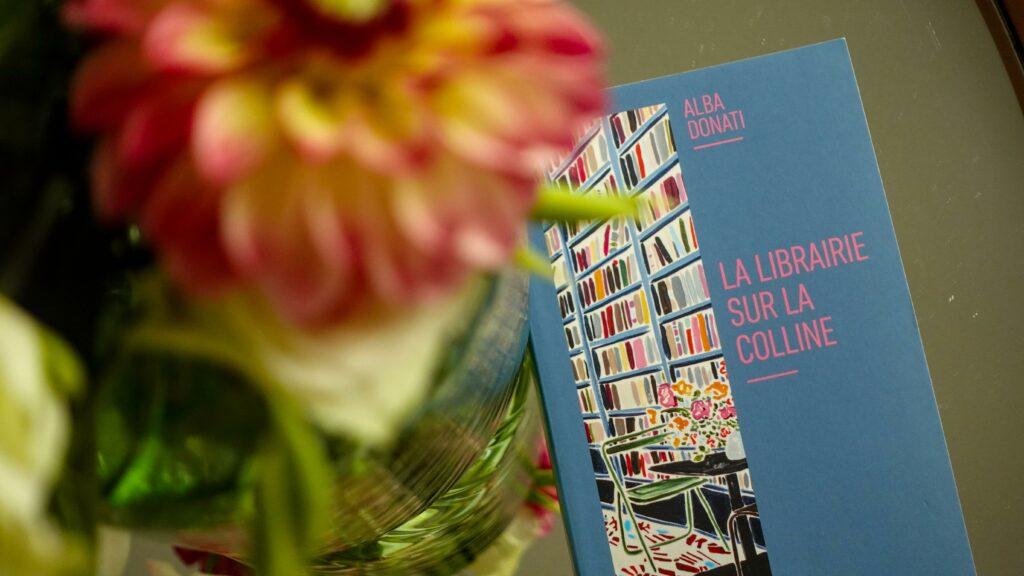
Diary of a Tuscan Bookshop by Alba Donati
There is something almost mythical about the idea of opening a bookshop in the Italian countryside — a dream that combines literature, community, and a slower pace of life into one enchanting vision. Alba Donati’s diary of creating and running a bookshop in the Tuscan hills offers us an intimate look at that dream made real, with all its challenges and unexpected joys.
Donati writes with the sensitivity of someone who understands books not just as objects but as bridges — between reader and writer, past and present, the inner world and the landscape outside her door. Her reflections on choosing which titles to stock, the customers who become friends, and the seasonal rhythms that shape reading habits reveal how a bookshop can become the heart of a community.
What emerges is a portrait of rural life that goes beyond tourist fantasies. Donati shows us how neighbors gather for literary events, how conversations about books become conversations about life, and how the countryside offers not escape from culture, but a different relationship with it — one that is more personal, more rooted, more attuned to the rhythms of human connection.
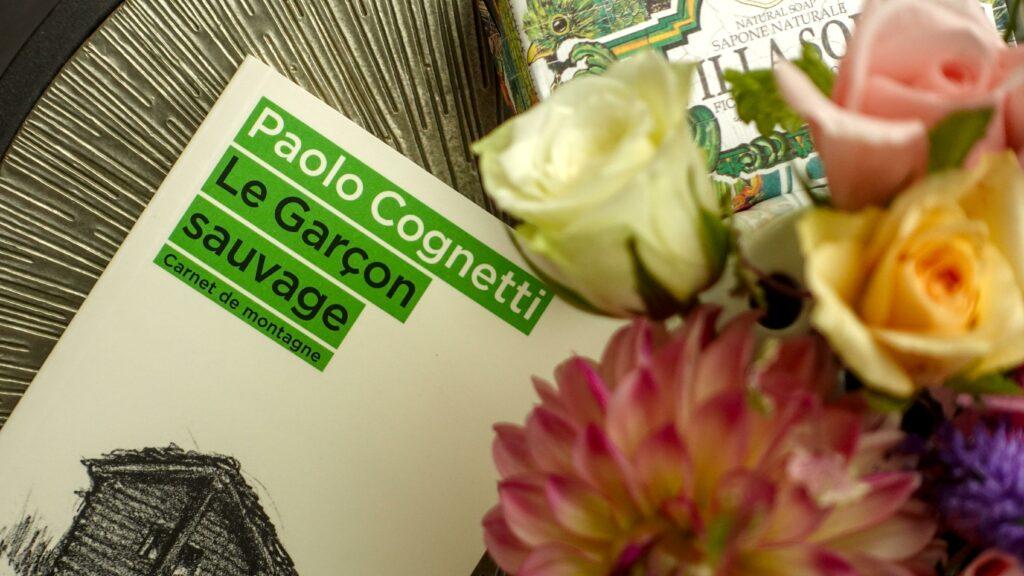
The Wild Boy: A Memoir by Paolo Cognetti
Mountains have their own way of teaching silence. Paolo Cognetti’s memoir takes us into the high country of the Italian Alps, where he spent childhood summers and later returned as an adult seeking solitude and clarity. This isn’t Tuscany’s rolling hills, but it captures something equally essential about Italy’s landscapes: the understanding that nature can be both sanctuary and mirror.
Cognetti writes with luminous simplicity, paying close attention to the smallest details — the way light changes on snow, the silence that fills alpine air, the rhythm of days marked only by weather and season. His prose carries the clarity of mountain air, distilled and precise.
What moves us in this memoir is its vision of solitude not as loneliness, but as company — a dialogue with the land, with memory, with the deeper currents of self that emerge only when the world quiets down. Through his journey back to the mountains, Cognetti shows us how rural life offers not just beauty but wisdom: the kind that arises when we slow down enough to listen.

Finding Our Own Countryside Rhythm
What can we carry from these stories into our own lives? Each author offers a lesson: from Doran, the value of surrendering resistance; from Donati, the joy of creating community around what we love; from Cognetti, the wisdom of silence and attention. Together they suggest that the countryside is not only a place, but also a way of being that we can cultivate wherever we are.
For me, it becomes a question of balance — the workweek in the pulse of the city, and the weekend in the cocoon of my home, where I can move more slowly, cook with intention, or tend to my balcony of flowers as if it were the greatest of gardens. These are small gestures, but they echo the larger rhythms of rural life: depth over speed, presence over productivity, contemplation over instant gratification.
Perhaps that is the greatest gift of Italian countryside literature: its reminder that la dolce vita isn’t confined to vacations or villages, but available in any moment when we choose to live deliberately. The countryside calls to us not because it is perfect, but because it remembers what we so easily forget — that life is meant to be lived, not merely accomplished.
Until next time, may you find your own countryside — whether in the pages of a book, in the rituals of daily life, or in the landscapes of your imagination.

Written by Alexandra Poppy
Writer, reader & curator of The Ritual of Reading
I’m Alexandra, the voice behind The Ritual of Reading. Somewhere between a stack of novels and a half-finished pot of tea, I keep finding traces of the life I want to live—slower, richer, filled with stories. The Ritual of Reading is where I gather what I love: books that linger, places with a past, and rituals that make ordinary days feel a little more meaningful. I write from Paris, where elegant bookshops and old-fashioned cafés offer endless inspiration—and I share it here, hoping it brings a spark to your own days, too.