Medieval Advent Calendar Day 20
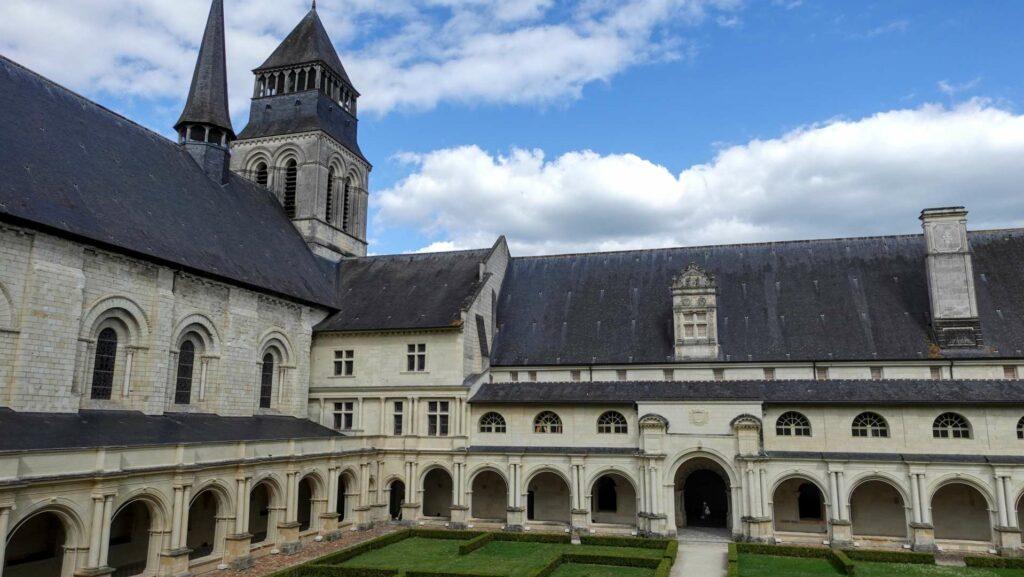
Hello, dear friends, and welcome back to Fontevraud Abbey for the second part of our exploration. Yesterday we situated ourselves within this exceptional site and spoke of its glorious past—the powerful abbesses, the royal tombs, the centuries of female leadership that made Fontevraud unlike any other religious foundation in medieval Europe. Today I invite you to experience the abbey in its full contemporary splendor, for this is a place that has refused to become a mere monument to the past.
A recent and extensive renovation has breathed new life into these ancient stones, most notably through the addition of a museum of modern art housing the Cligman collections. Léon and Martine Cligman, French entrepreneurs in the textile industry, donated their remarkable private collection to the French people with one specific wish: that it be exhibited at Fontevraud. This generous bequest became the National Martine and Léon Cligman Collections, now the beating heart of the Fontevraud Museum of Modern Art.
The collection is extraordinary in both scope and quality: more than a hundred paintings from the nineteenth and twentieth centuries, including works by Toulouse-Lautrec, Camille Corot, Robert Delaunay, Chaïm Soutine, and Bernard Buffet. Nearly three hundred drawings. Sculptures by Edgar Degas and André Derain. A remarkable concentration of fourteen works by Germaine Richier, whose haunting figures seem particularly at home in these medieval spaces. Eighty-eight spectacular pieces of glassware by Maurice Marinot, each one capturing light like trapped magic. And finally, carefully chosen antique pieces that create dialogue across centuries within the galleries.
It’s an unexpected treasure to encounter in a village far from urban centers, yet this remoteness becomes an asset. Time moves differently here. You can linger before each work without the press of crowds, without the ambient anxiety of a city museum. The silence of Fontevraud gives you permission to truly look.
Between the museum and the abbey itself—the church, the chapter house, the cloisters, the kitchens—you can quickly feel overwhelmed by the sheer volume of beauty and history. And here’s where the modern transformation of Fontevraud becomes even more remarkable. The smaller Saint Lazarus priory, once part of the monastic complex, has been converted into a hotel and Michelin-starred restaurant, allowing you to extend your stay in considerable style.
The hotel is an oasis of tranquility, simultaneously eco-responsible and luxurious—a rare and thoughtful balance. The rooms maintain the austere elegance of monastic architecture while providing every contemporary comfort. To stay here is to experience the rhythms of abbey life: the profound quiet, the play of light through ancient windows, the sense of being held within something larger and older than yourself.
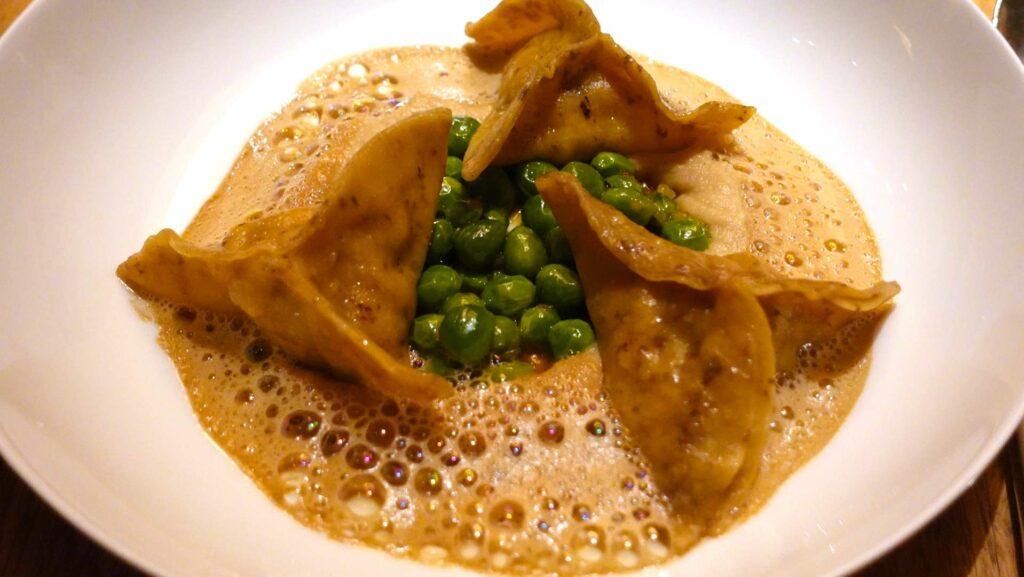
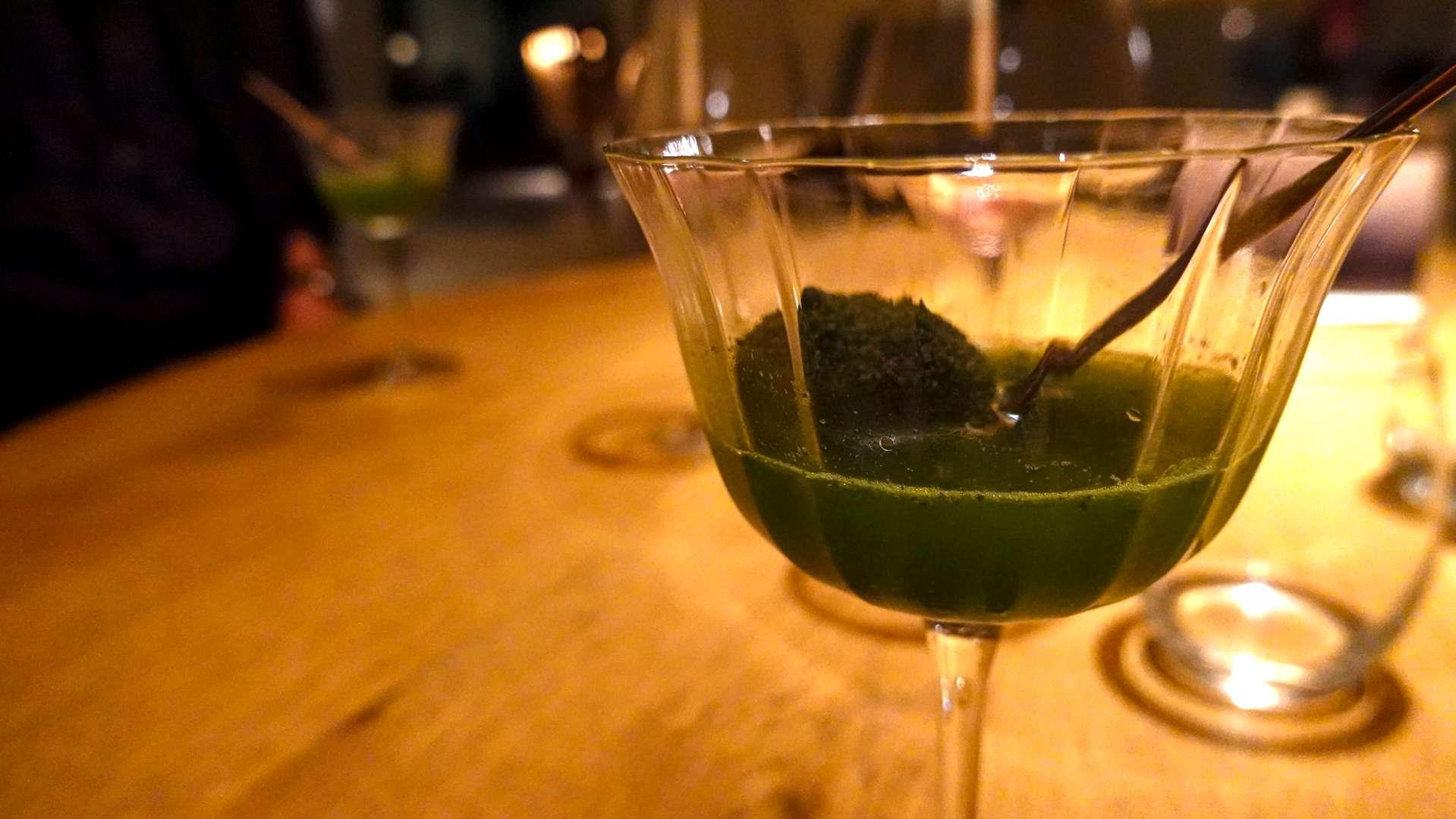
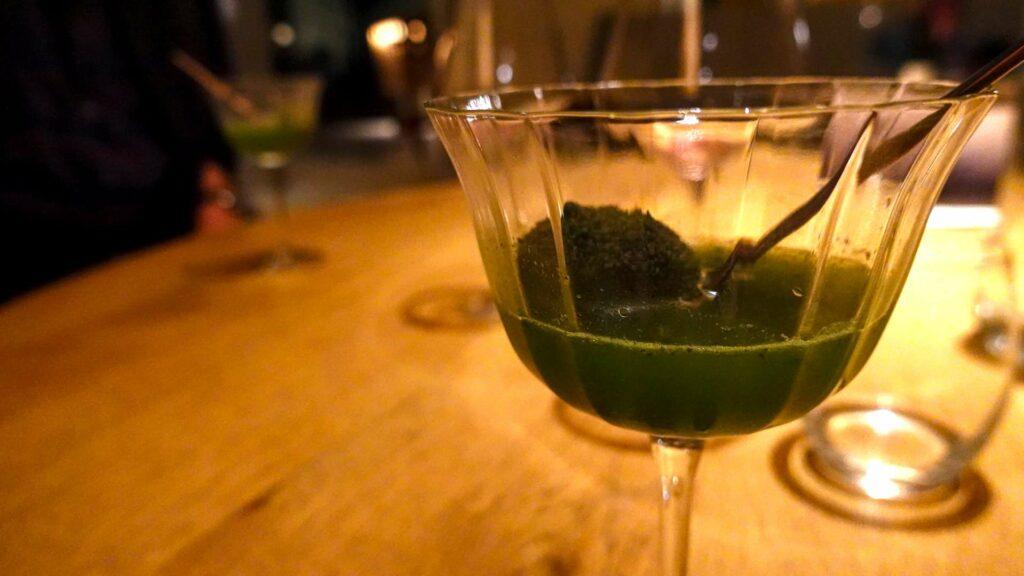
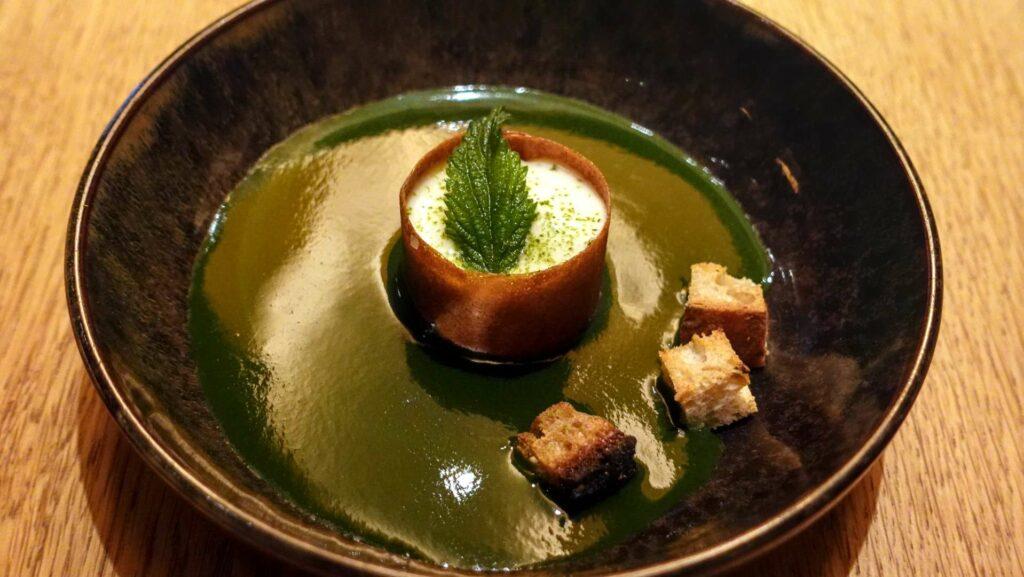
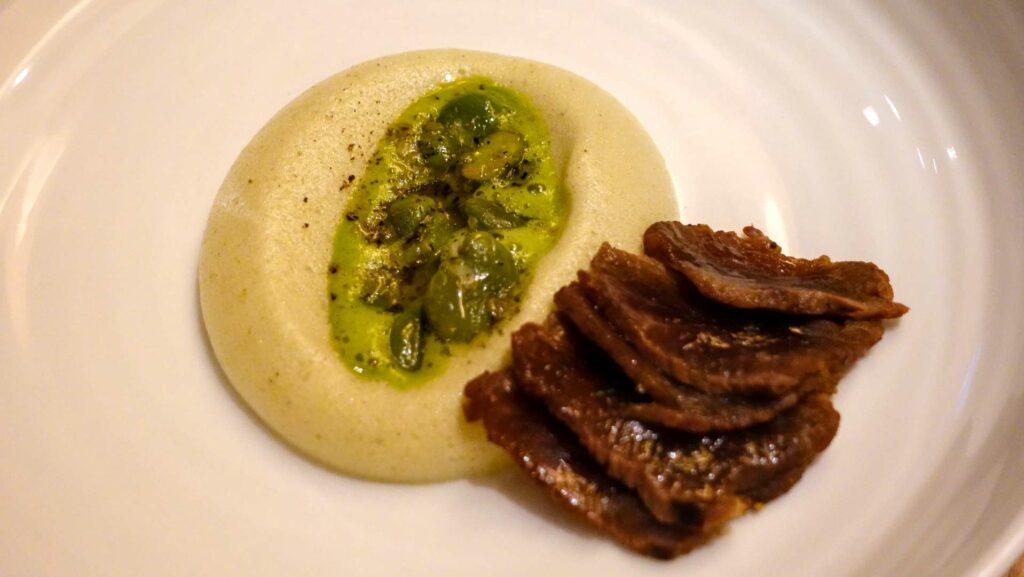
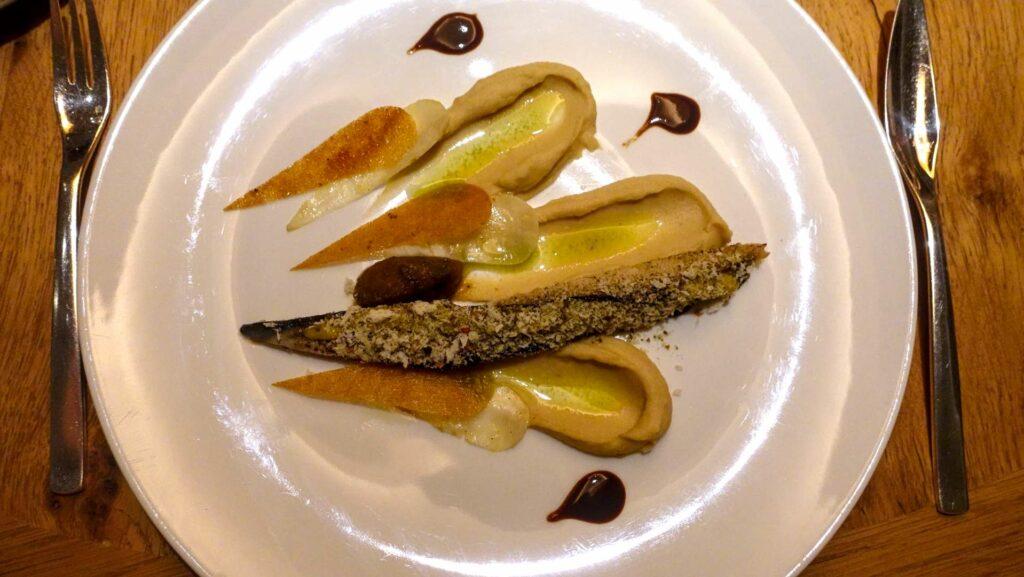
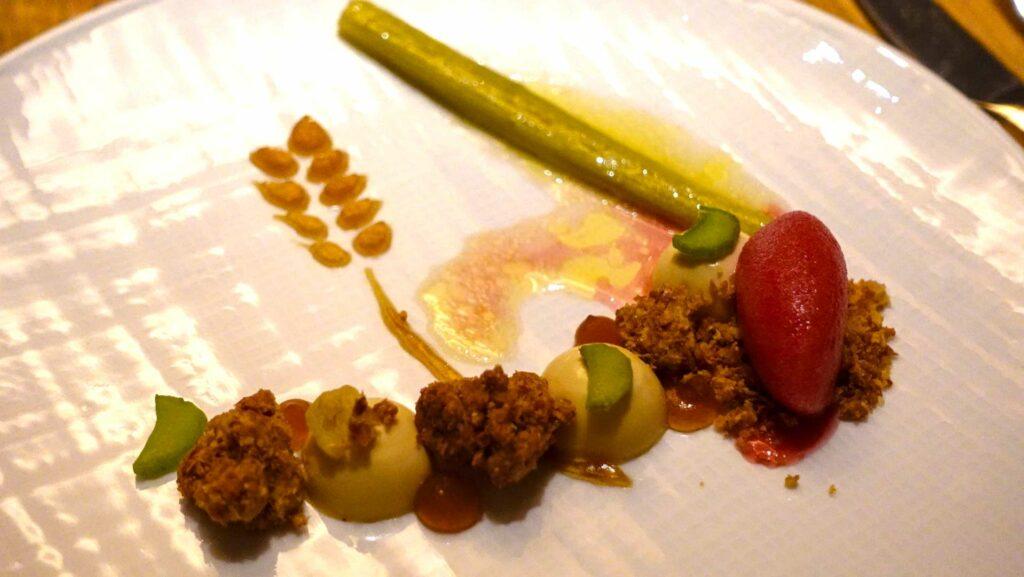
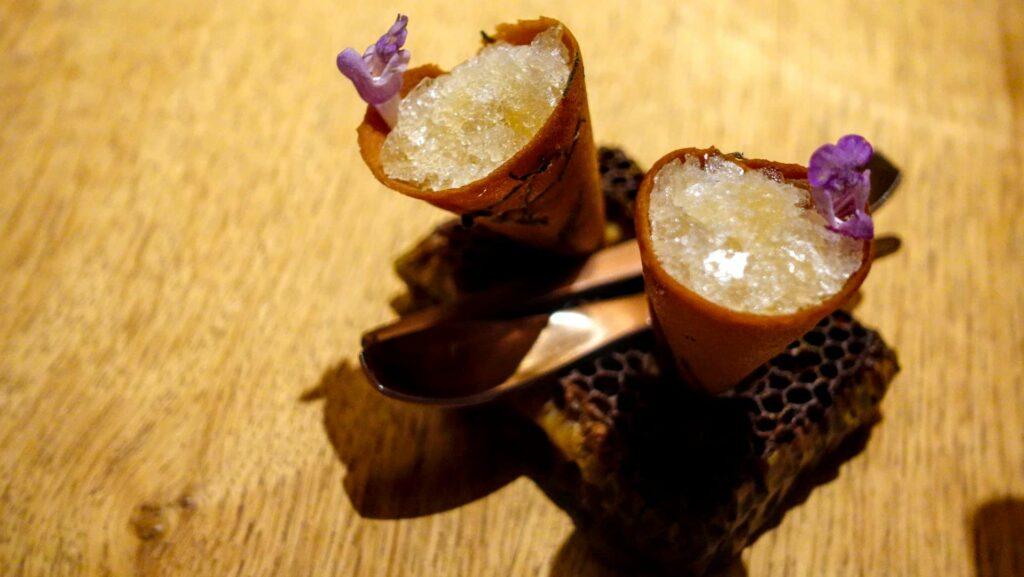
And if you choose to treat yourself to dinner at their Michelin-starred restaurant, the experience will certainly prove unforgettable. Chef Thibaut Ruggeri found in Fontevraud the ideal setting to realize his culinary vision: a contemporary cuisine that is sensible and refined, where superfluity and spectacle have no place. His philosophy aligns perfectly with the austere beauty of the medieval site. The unique “Lune” menu, renewed with each lunar cycle, symbolizes the chef’s commitment to working with nature’s rhythms, drawing on local ingredients and herbs from the abbey’s own gardens. It’s cooking as seasonal ritual, as connection to place—entirely appropriate for a location where Benedictine nuns once lived by the liturgical hours.
As a hotel guest, you enjoy unlimited access to the abbey throughout the night—an extraordinary privilege. Imagine walking the cloisters under stars, the ancient stones silvered by moonlight, with no one else present. But for a truly spectacular experience, you must visit between late July and early August during Fontevraud’s summer cultural season.
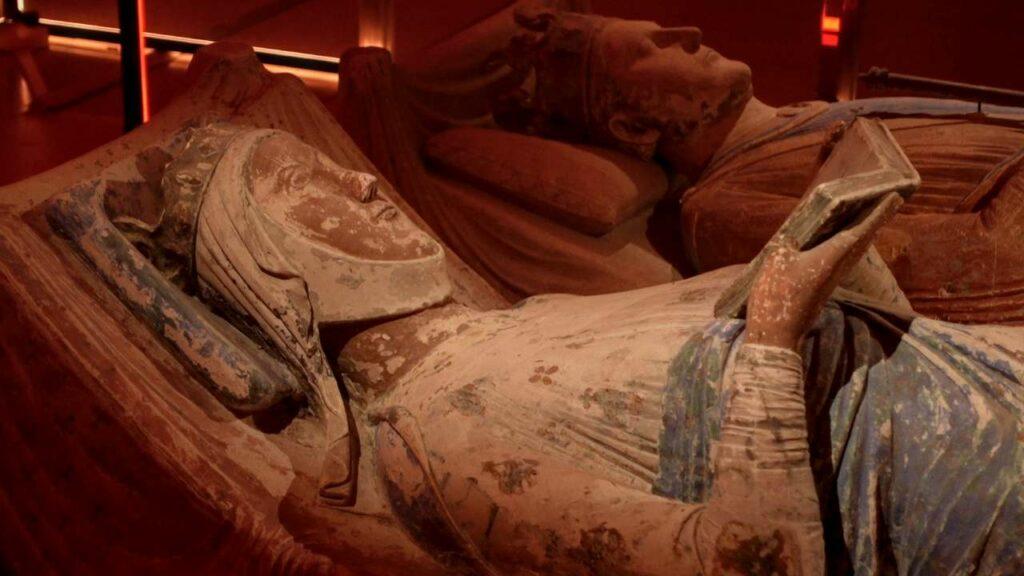
During daylight hours, you encounter contemporary artistic creations inspired by the abbey’s history. Then, as darkness falls, you’re invited to the light performance—and this is when Fontevraud reveals its full magic. Every corner of the abbey is transformed through ambient music and sophisticated light design, each installation conveying a message aligned with the year’s theme. In 2024, the festivities celebrated nine hundred years since the birth of Eleanor of Aquitaine. Smartphone apps brought the stone effigies to life, allowing them to recount their destinies in their own voices. Light mapping told Eleanor’s story across the façade of the abbey church in vivid, flowing colors. And the cloister—oh, the cloister gave me goosebumps with its soundscape, voices and music echoing through those arches as they must have done eight centuries ago.
I realize I’m enthusiastic about many places I share with you here. I’m fortunate to live in a country with exceptional heritage, and I try not to take that for granted. But Fontevraud occupies a particular place in my heart. Whenever I arrive—and I return every year—I feel I have come home. The energy of this specific place on Earth acts like a magnet on me. The peace and serenity I find here are unique and irreplaceable. It’s as though all the great women who kept this abbey through centuries are still watching over their sisters, welcoming us into their enduring sanctuary.
Until tomorrow, dear friends—may your Advent be happy and serene.

Written by Alexandra Poppy
Writer, reader & curator of The Ritual of Reading
I’m Alexandra, the voice behind The Ritual of Reading. Somewhere between a stack of novels and a half-finished pot of tea, I keep finding traces of the life I want to live—slower, richer, filled with stories. The Ritual of Reading is where I gather what I love: books that linger, places with a past, and rituals that make ordinary days feel a little more meaningful. I write from Paris, where elegant bookshops and old-fashioned cafés offer endless inspiration—and I share it here, hoping it brings a spark to your own days, too.