
Austrian Advent Calendar Day 22
Hello, dear friends, and welcome to one of our final Advent reflections. Time has flown, hasn’t it? These twenty-two days have passed like pages turning in a beloved book—each one rich, each one gone too quickly.
Today I want to share an unexpected discovery, one of the many happy coincidences that have marked my Austrian project. I find the history of fashion—from both aesthetic and anthropological perspectives—endlessly fascinating. Clothing reveals so much about a culture’s values, aspirations, social structures, and self-conception. What people choose to wear, what they’re required to wear, what they’re forbidden to wear: these things tell stories that written histories often miss.
So I was delighted to discover that the Metropolitan Museum of Art in New York had organized an exhibition called The Imperial Style: Fashions of the Habsburg Era back in December 1979. It was a tremendous success at the time and was accompanied by a comprehensive publication that is now out of print—but generously, the Met has made it freely available on their website as a digital resource.

Beyond the priceless illustrations that I spent hours contemplating (and I do mean hours—I lost entire afternoons to these images), the scholarly essays are genuinely gripping. You learn about beauty ideals from the time of Maria Theresa through to the Wiener Werkstätte in the early twentieth century, with just enough historical context to orient you in time but also lifestyle details and small anecdotes that make the reading unforgettable. I particularly enjoyed Helga Kessler’s chapter on Viennese Biedermeier fashion, as well as the essay on the evolution of Hungarian national costume—how political identity and cultural resistance were literally woven into fabric and embroidery.
But it was equally fascinating to learn about men’s fashion and court dress, the rigid protocols that governed what could be worn when and by whom. Frankly, every single chapter offered immense value for anyone trying to understand Viennese lifestyle through the lens of fashion. I highly recommend exploring this incredible free resource online—it’s a gift to those of us who find beauty and meaning in historical textiles.
When in Vienna, you have limited but rewarding options for viewing historic costumes in person. The Sisi Museum in the Hofburg Palace and the magnificent Schönbrunn Palace both display historic gowns worn by their illustrious inhabitants. Unfortunately, neither permits photography—too many visitors forget to disable their camera flash, and the cumulative damage to these fragile textiles would be irreversible. It’s frustrating for those of us who want to capture and remember, but ultimately the right decision for preservation.
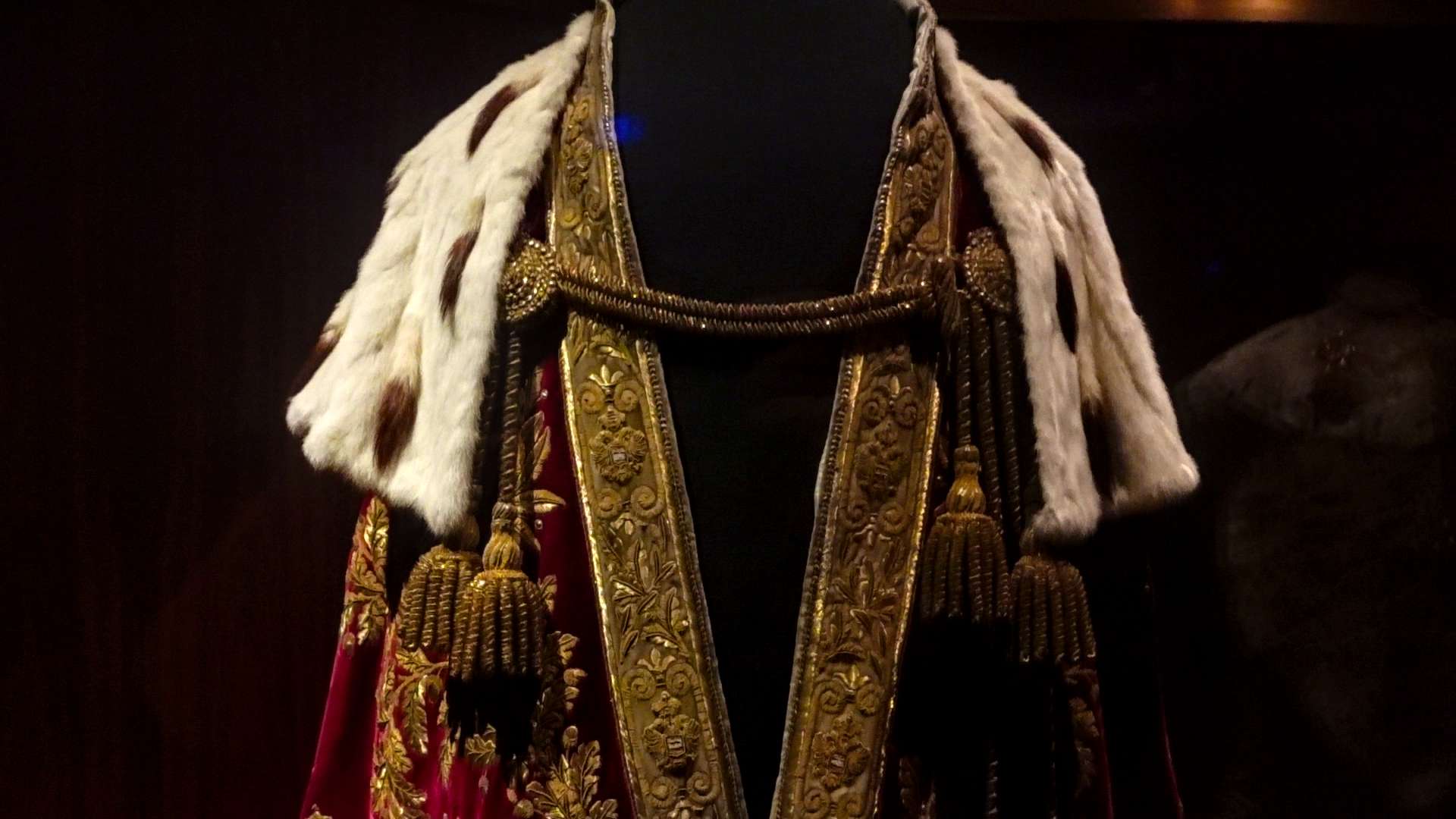
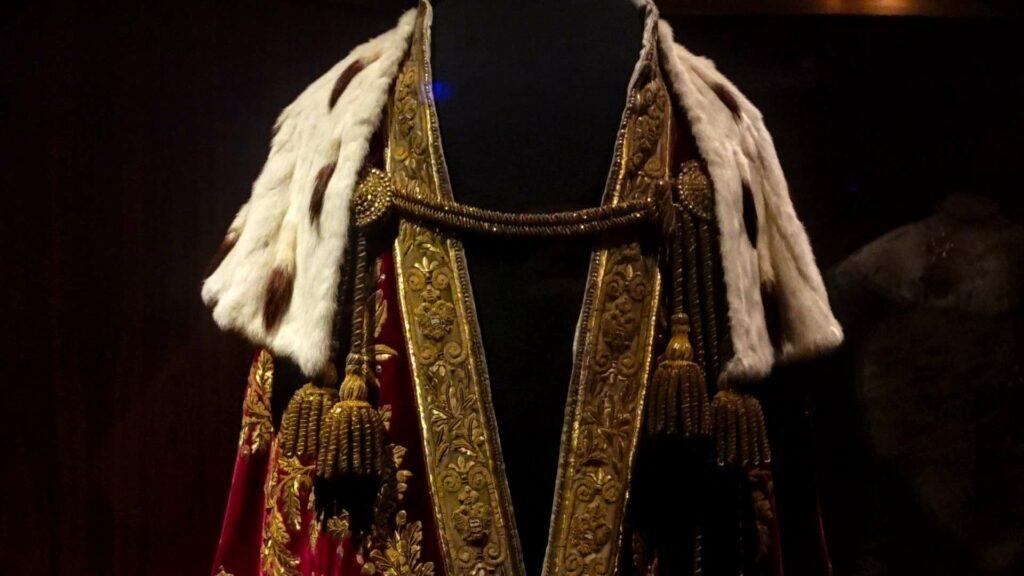
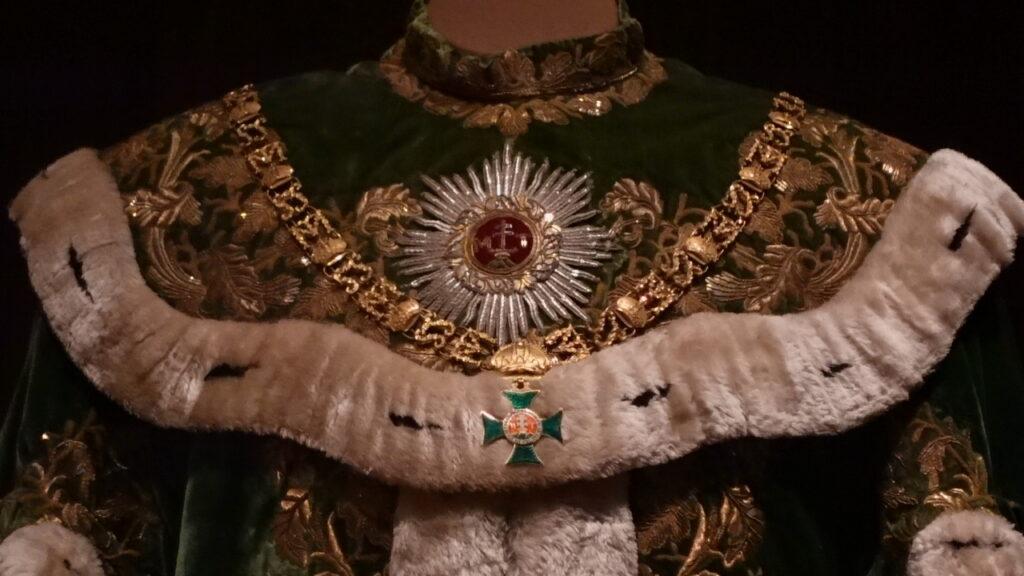
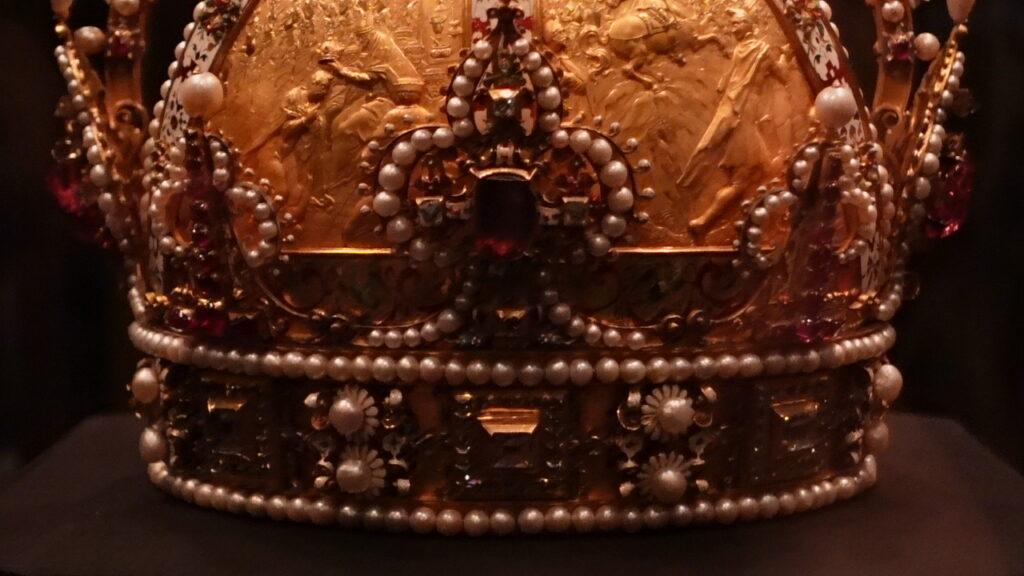
My choice for textile viewing was the Imperial Treasury (Schatzkammer), where I focused specifically on official gowns worn for coronations and other formal court functions. The Treasury also houses breathtaking jewelry—crowns, scepters, reliquaries, insignia of every conceivable sort—so wherever you look, there’s something to marvel at. It’s almost overwhelming, this concentration of beauty and power in one space.
The styles and priorities of nations have shifted dramatically across centuries, but I think it will surprise no one that someone as devoted to ritual as myself finds the concept of imperial ceremony utterly captivating. Not merely for the fairy-tale allure these objects possess—though that exists—but for the essential values they represented in society and the weight they carried for those who wore them.
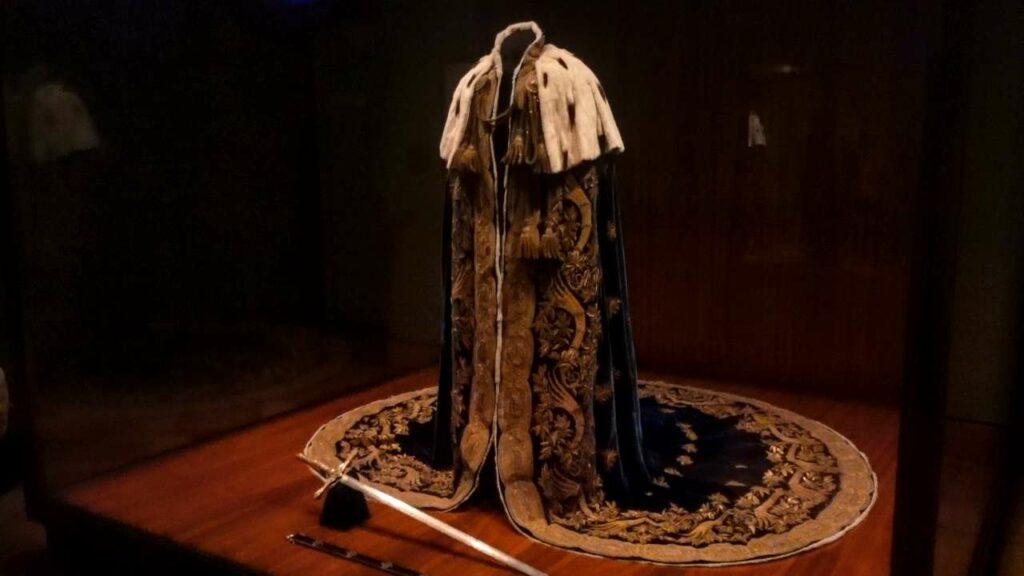
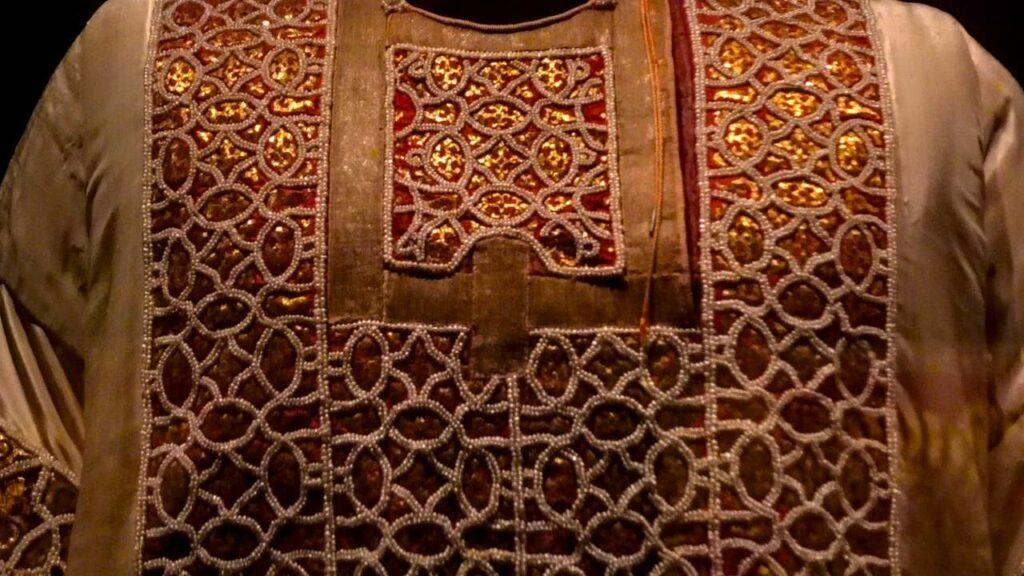
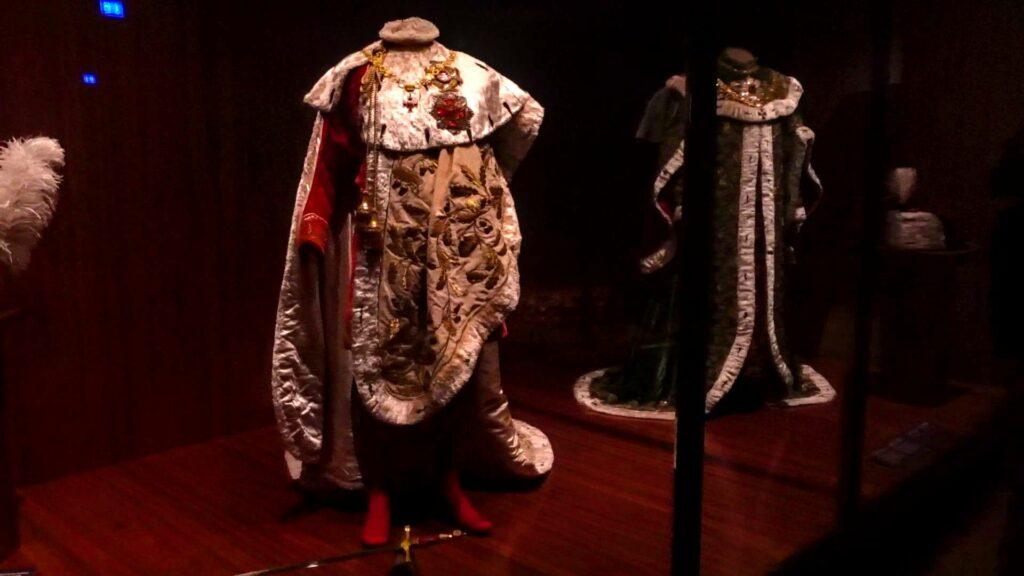
These meticulously embroidered capes, gowns, and mantles were crafted to project power and wealth to observers, certainly. But for the person wearing them, they symbolized something far more profound: immense responsibility. On the day they donned these garments, the weight of the world rested on their shoulders. The faith of a nation lay in their hands. The vast riches they had inherited could grow vaster still through wise governance, or disappear in a moment through miscalculation or catastrophe. Every stitch, every jewel, every carefully chosen symbol woven into the fabric served as a reminder of what was at stake.
This awareness makes sitting before the glass cases an almost solemn experience. This type of beauty is not futile or fleeting but enduring and, in its way, soul-elevating. These objects have outlasted the empires they were made to glorify, yet they still speak of something beyond mere ornamentation: the human desire to mark momentous occasions with beauty, to acknowledge through artistry that certain moments matter more than others, that certain responsibilities deserve to be clothed in dignity and splendor.
It’s something worth contemplating during this season of introspection and generosity—how we mark what matters, how we signal responsibility and reverence, how we create beauty that endures beyond the moment of its making.
Until tomorrow, dear friends—happy Advent, and may you find beauty wherever you seek it.
RESOURCES:
The Imperial Style: Fashions of the Habsburg Era
Free digital publication from The Metropolitan Museum of Art : CLICK HERE
Vienna Museums for Historical Fashion:
- Imperial Treasury (Schatzkammer) – Hofburg Palace, Vienna Coronation robes, court dress, imperial regalia, and jewelry (Photography permitted in most areas)
- Sisi Museum – Hofburg Palace, Vienna Personal garments of Empress Elisabeth (No photography allowed)
- Schönbrunn Palace – Vienna Selected historical costumes from palace inhabitants (No photography allowed)

Written by Alexandra Poppy
Writer, reader & curator of The Ritual of Reading
I’m Alexandra, the voice behind The Ritual of Reading. Somewhere between a stack of novels and a half-finished pot of tea, I keep finding traces of the life I want to live—slower, richer, filled with stories. The Ritual of Reading is where I gather what I love: books that linger, places with a past, and rituals that make ordinary days feel a little more meaningful. I write from Paris, where elegant bookshops and old-fashioned cafés offer endless inspiration—and I share it here, hoping it brings a spark to your own days, too.