
July’s end brings a particular fullness to those of us who tend to growing things. The dahlias are reaching their peak, the gladioli dance in every breeze, and my fourth-floor balcony garden pulses with the deep satisfaction of high summer. Yet even in this abundance, there’s something deeply satisfying about pausing to reflect—a time when the physical work of gardening mingles with its contemplative cousin: reading about gardens.
Last Sunday, as I was deadheading the spent blooms and watering the evening-thirsty pots, I found myself thinking about the stack of gardening books that migrates from my bedside table to the kitchen counter and back again throughout the year. These aren’t merely practical guides (though they serve that purpose too), but companions that deepen our understanding of why we’re drawn to soil and seed, leaf and bloom. They remind us that gardening is both an ancient practice and a deeply personal ritual—one that connects us to something larger than ourselves.
Whether you’re someone who delights in getting soil under your fingernails or prefers to admire gardens from a comfortable chair with a cup of tea, these seven books offer different pathways into the gardening world. Each one feels like sitting down for a gentle conversation with a kindred spirit who understands why seed catalogues can feel like love letters, and why the return of a perennial feels like a quiet miracle.
The Morville Hours by Katherine Swift
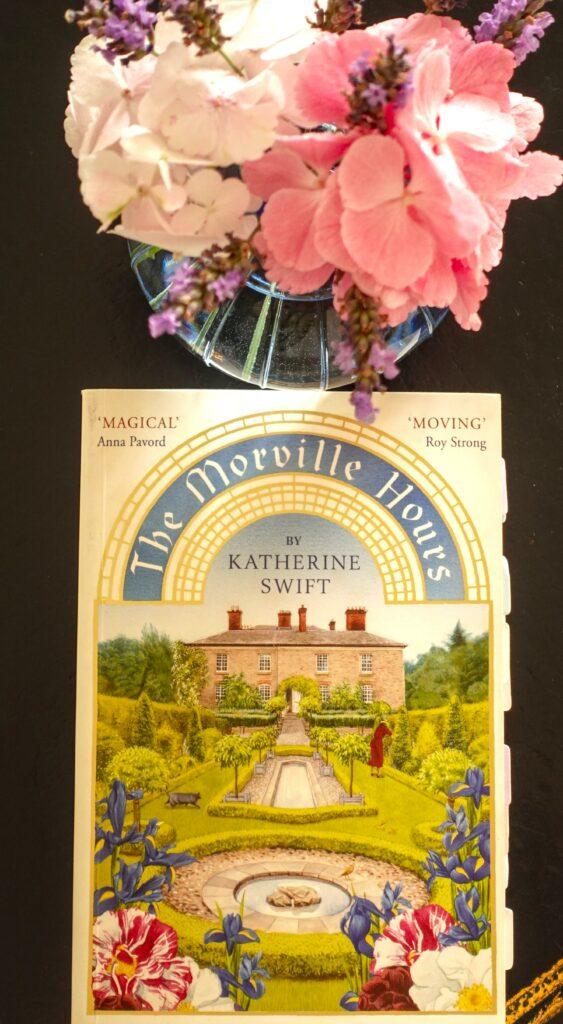
Swift’s meditation on time and seasons through the lens of her Shropshire garden reads like a horticultural Book of Hours—part devotional, part almanac, entirely rooted in love. She weaves personal reflection with gardening lore and the deep layers of English history embedded in the soil, creating something that feels both timeless and urgently present.
This isn’t just about what to plant when—it’s about how gardens tether us to centuries of cultivation, the pulse of the land, and the quiet endurance of things that grow. Swift writes with the patience of someone who has learned to read the subtle language of seasons, and her insights settle like compost into your own reflections. It’s a book to read slowly, following the liturgical rhythm of the year, perhaps with a glass of something cool beside you as summer light lingers long into the evening.
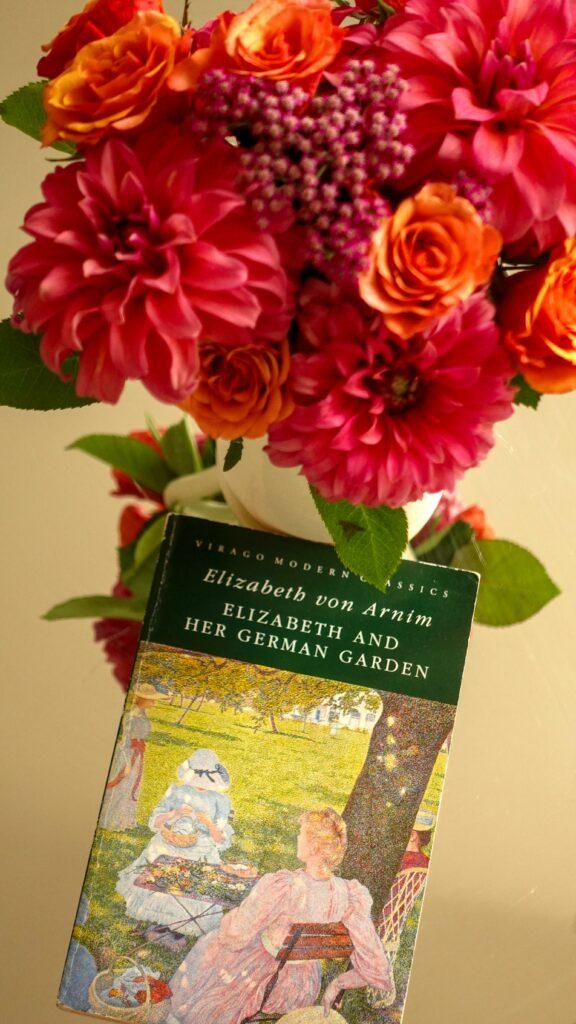
Elizabeth and Her German Garden by Elizabeth von Arnim
If Swift anchors us in English soil, von Arnim’s voice carries the restless energy of someone who refuses to be contained by convention. First published in 1898, this luminous memoir feels like stepping into a sun-dappled greenhouse filled with humor, resistance, and a fierce love for the natural world.
Elizabeth’s voice is irrepressibly modern as she battles domestic expectations and carves out a sanctuary in the garden. Her witty dispatches—particularly on her husband, whom she nicknames “the Man of Wrath”—will delight anyone who has ever fought to justify a greenhouse expense or defended their need for “just one more rose bush.” More than a gardening memoir, it’s a reclamation of space, spirit, and self. Reading it feels like discovering a kindred spirit across the centuries, someone who understood that gardens aren’t just about beauty—they’re about freedom.
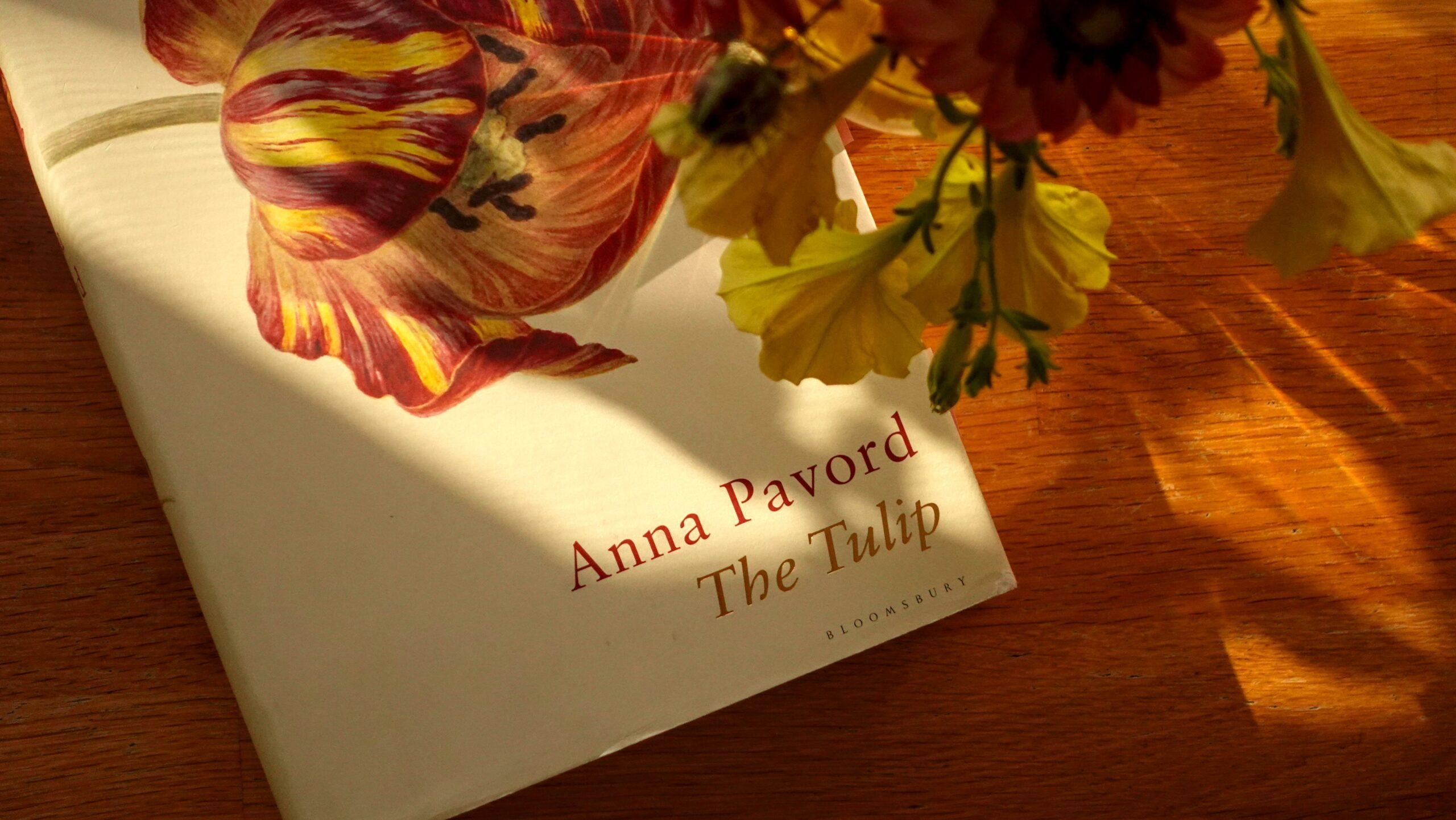
The Tulip by Anna Pavord
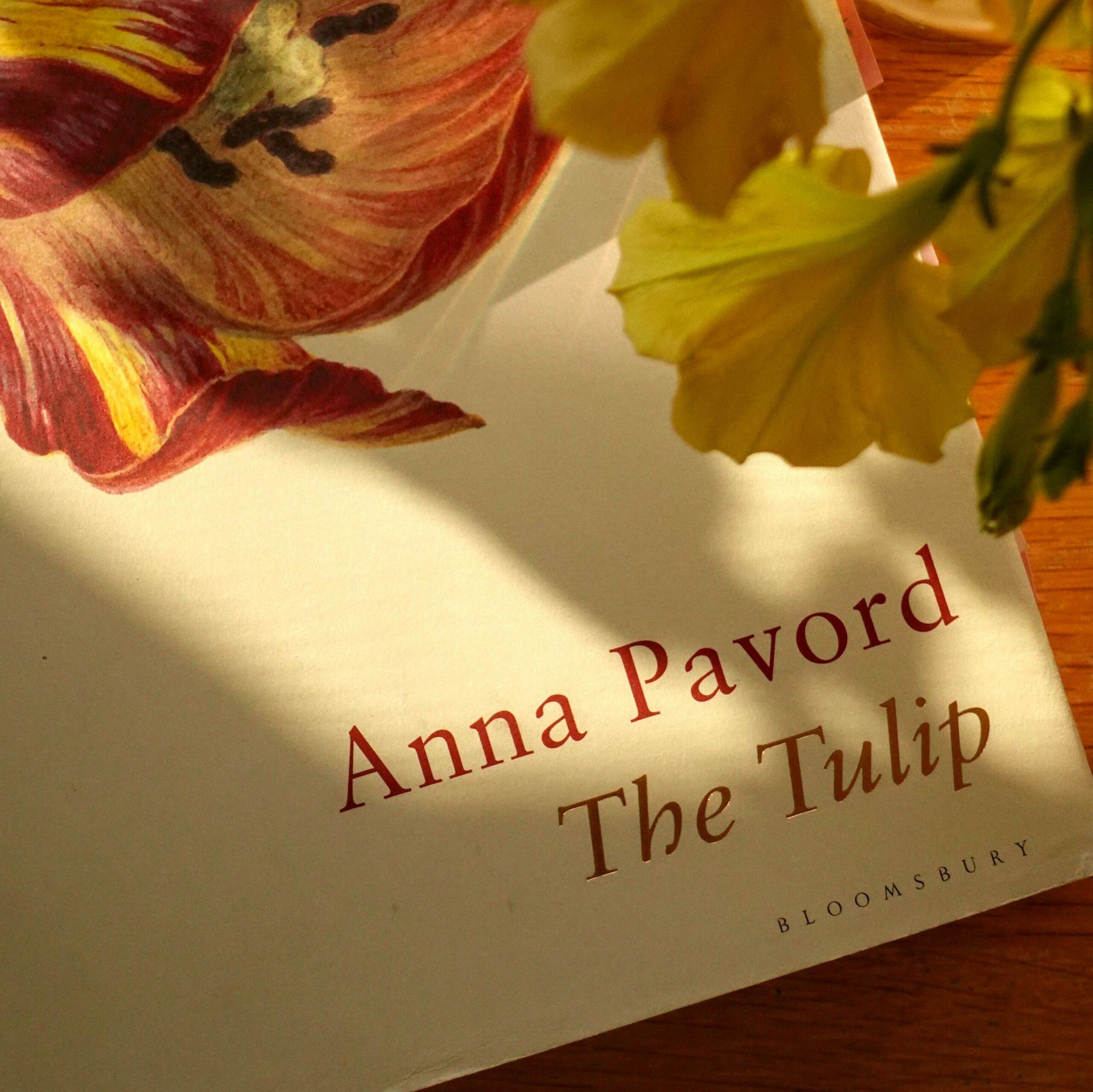
From the intimate scale of personal gardens, Pavord sweeps us into the grand theater of horticultural history. Her dazzling exploration of the tulip’s journey reveals how a single flower once caused markets to crash, inspired artists, and captivated entire cultures. Her storytelling flows across centuries and continents—from the Ottoman Empire’s flower festivals to Dutch Golden Age paintings—and each chapter blooms with the kind of detail that makes you want to immediately book a trip to Istanbul’s spice markets.
What begins as a botanical inquiry unfolds into a story of beauty, obsession, and resilience. Pavord writes with the passion of someone who has fallen completely under the spell of her subject, and her enthusiasm is wonderfully contagious. (You may remember my visit to the Keukenhof Gardens—the land of Dutch tulips in full technicolor glory—where Pavord’s words echoed in every perfectly composed bed.)
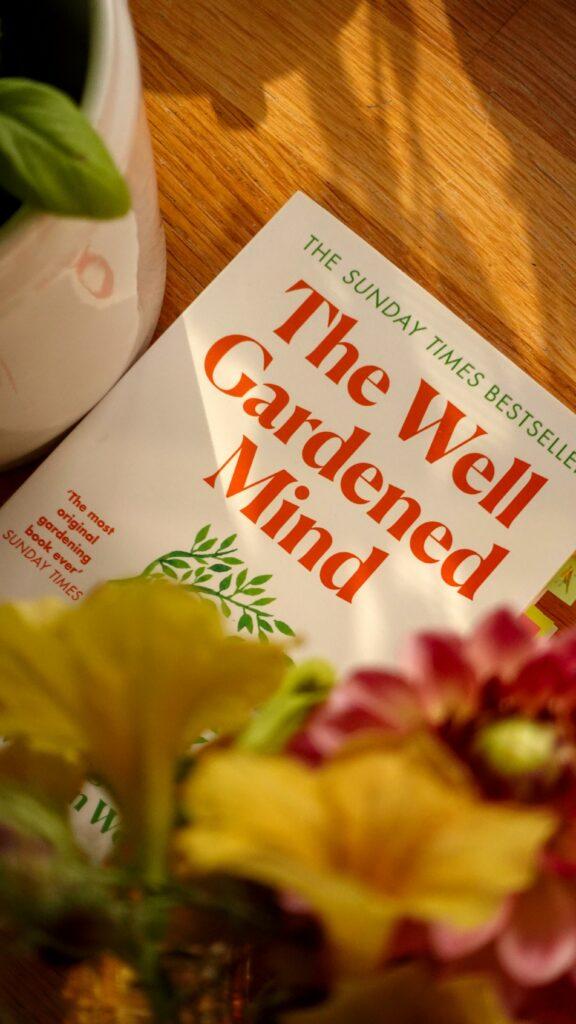
The Well-Gardened Mind by Sue Stuart-Smith
A psychiatrist and gardener, Stuart-Smith tenderly unearths the deep psychological truths embedded in the act of tending to a garden. Her exploration of neuroscience, trauma recovery, and mental health offers not just theory, but a kind of hope that feels particularly necessary in our fractured times.
For those of us who have found solace in pruning roses or pulling weeds, her book articulates what we’ve long known intuitively: that gardens don’t just grow plants—they help grow people, too. She writes with the gentle authority of someone who has witnessed healing happen in hospital gardens, prison allotments, and community plots. Reading her work feels like having a wise friend explain why your hands instinctively reach for soil when your heart feels heavy. (This echoes themes from my early gardening adventures, when I was surprised by how much peace I found in such simple acts.)
The Virago Book of Women Gardeners
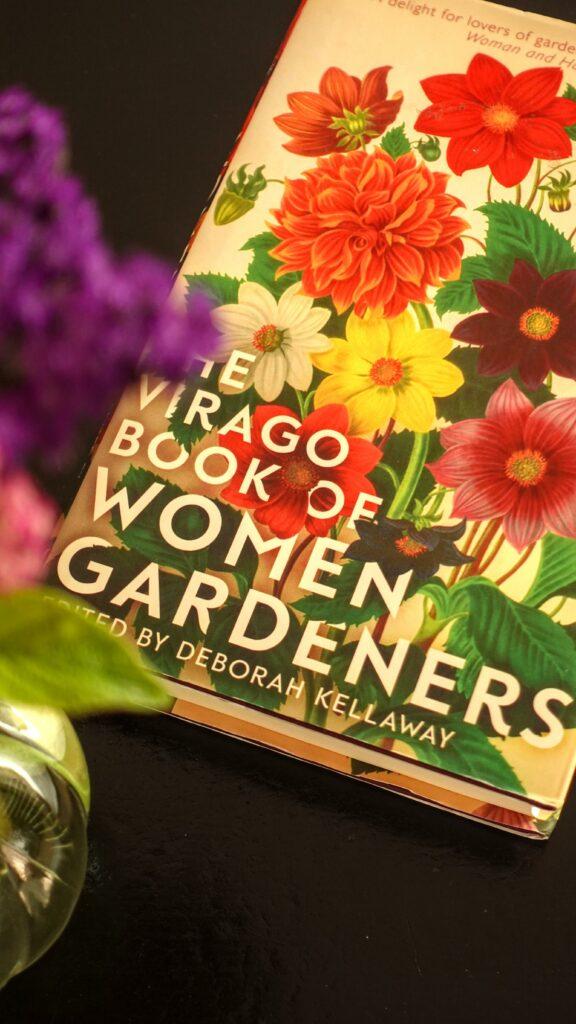
This generous anthology gives voice to generations of women who cultivated both land and language, creating a chorus that spans centuries and continents. From the visionary artistry of Gertrude Jekyll to modern reflections on community gardens and balcony pots, it reminds us that gardening has always been a space where women could imagine, create, and persist.
The collection moves fluidly between practical advice and poetic reflection, between grand estate gardens and window boxes. It’s a testament to how cultivation can be both a personal practice and a radical act—a way of claiming space, time, and autonomy in a world that doesn’t always make room for such things. Dip into it on a quiet Sunday afternoon, and you’ll feel the companionship of green-thumbed women across the centuries, each one whispering encouragement across the pages.
The Samurai’s Garden by Gail Tsukiyama
Moving from the collective to the contemplative, Tsukiyama’s quiet novel offers a different kind of gardening wisdom. Set against the backdrop of 1930s Japan, this story unfolds like a meditation on convalescence, solitude, and the healing power of nature.
The garden in Tsukiyama’s story is more than scenery—it is sanctuary and teacher, unfolding wisdom in silence. Through the eyes of a young man in recovery, we are invited to witness the restorative beauty of a landscape shaped by care and intention. The novel reads like a gentle reminder that gardens exist not just in space, but in time—that patience, observation, and reverence are as essential as soil and seed. (Reading it inspired my own exploration of Japanese garden philosophy, which led to that memorable visit to the Albert Kahn gardens in Paris.)
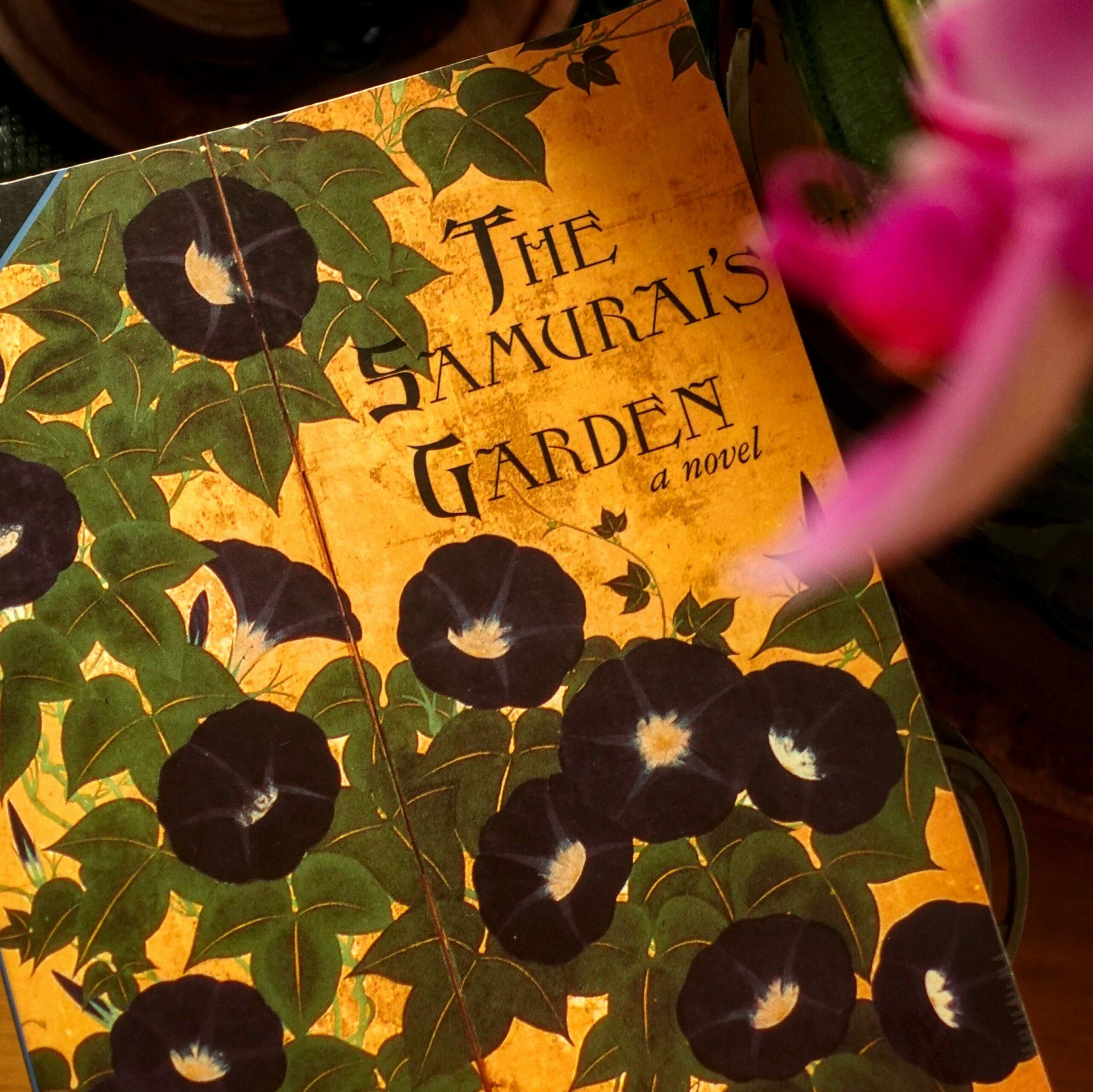
Animal, Vegetable, Miracle by Barbara Kingsolver
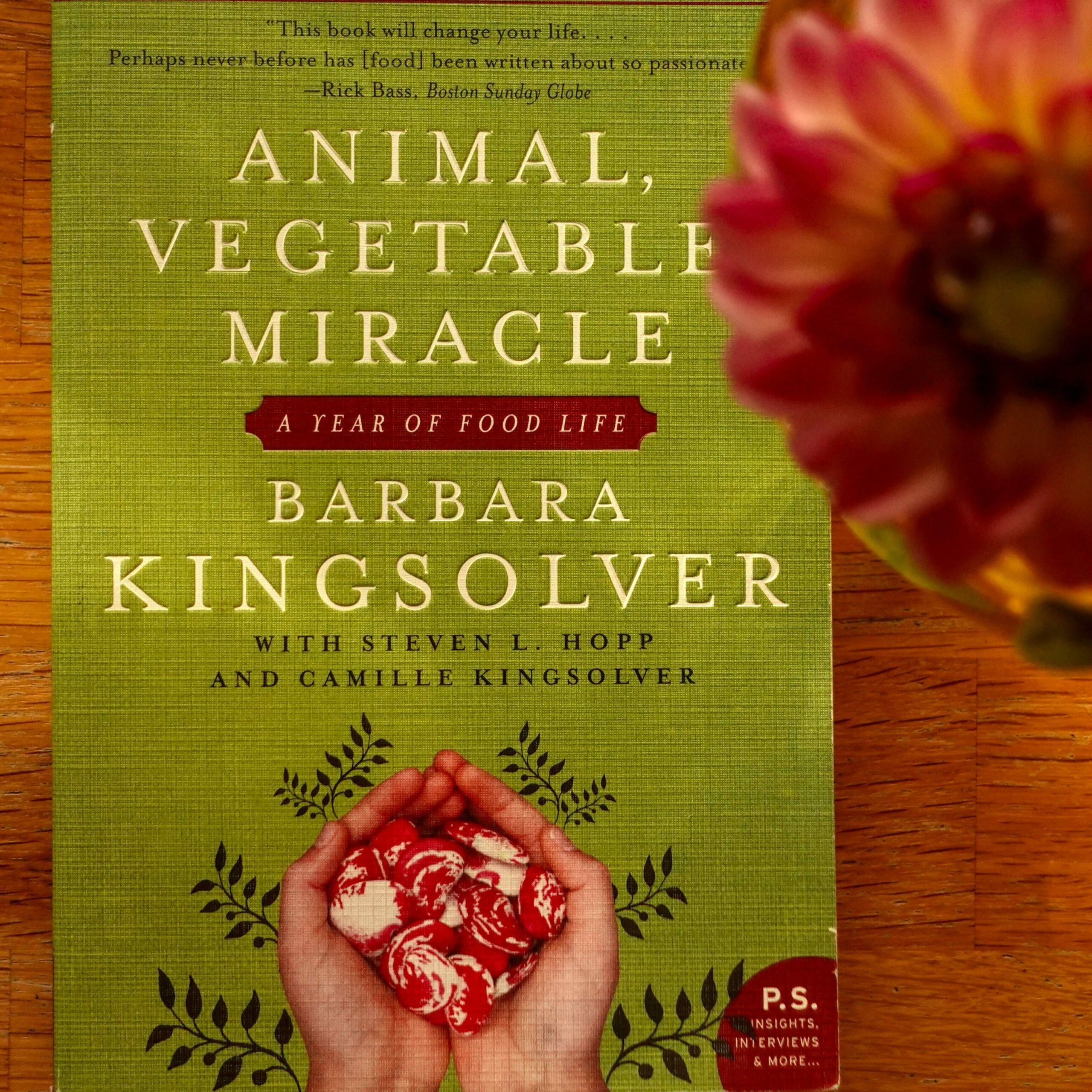
Kingsolver brings us full circle, from the philosophical to the practical, from ornamental to edible. Her memoir of a year spent eating locally on a family farm is a vibrant blend of personal narrative, ecological awareness, and culinary adventure.
Her prose is earthy and impassioned, making the simple act of harvesting zucchini feel like a small revolution. For gardeners who think beyond the flowerbed—toward sustainability, food systems, and ethical choices—this book is both invitation and inspiration. She writes with the enthusiasm of someone who has discovered that the most radical act might be growing your own dinner, and her joy is infectious enough to make you want to immediately plant a vegetable patch, even if you only have a windowsill to work with.
Seeds of Thought
These books are more than seasonal companions—they’re seeds. Seeds of thought, memory, and imagination, waiting to be planted in your own fertile ground. They remind us that gardens are not only about what we grow, but how we grow ourselves through the tending.
As this month of garden literary inspiration draws to its close and we settle into summer’s contemplative rhythm, these voices offer companionship and wisdom. They whisper that even in the height of growing season, something essential is still happening—ideas taking root alongside the seedlings, dreams composting into plans, inspiration slowly germinating in the warm, fertile darkness of possibility.
Whether you’re sketching plans for your first herb bed or envisioning the garden of your future, you’ll find something here to nourish your vision. They understand that gardening is both deeply practical and utterly magical—a practice that connects us to the earth, to each other, and to the patient rhythms of a world that knows how to begin again.
So tell me—what gardening books have shaped you? Which ones do you return to, season after season, like old friends? Let’s gather a bouquet of favorites in the comments, and tend to our reading gardens together.
Until next time, enjoy your reading and your rituals !
Pin for later :
Listen to the Podcast episode :

Written by Alexandra Poppy
Writer, reader & curator of The Ritual of Reading
I’m Alexandra, the voice behind The Ritual of Reading. Somewhere between a stack of novels and a half-finished pot of tea, I keep finding traces of the life I want to live—slower, richer, filled with stories. The Ritual of Reading is where I gather what I love: books that linger, places with a past, and rituals that make ordinary days feel a little more meaningful. I write from Paris, where elegant bookshops and old-fashioned cafés offer endless inspiration—and I share it here, hoping it brings a spark to your own days, too.
Shopping List
If you would like to support The Ritual of Reading, please consider purchasing your books from the Bookshop.org dedicated site by clicking the link below. You get to support local bookstores and I make a small commission with every purchase. Thank you !