
August brings with it a certain permission—permission to slow down, to let go of tightly held plans, and to embrace a sweet sort of chaos. It’s a time when spontaneity trumps structure, when laziness is not only accepted but almost expected. In Italy, this moment is crystallized in Ferragosto, the mid-August holiday that feels like the heart of summer itself.
Traditionally falling on August 15, Ferragosto marks a collective pause—cities empty, beaches overflow, and the entire country seems to slip into a sun-drenched dream. It’s not just a day, but a season of surrendering to life’s pleasures. The holiday’s roots stretch back to Emperor Augustus, who declared it a time of rest for workers after the harvest. Yet its modern incarnation feels less about ancient obligation and more about collective wisdom—an understanding that the soul requires regular intervals of pure enjoyment.
Watch an Italian city in the days before Ferragosto: shutters close with ceremonial finality, “chiuso per ferie” signs appear like prayer flags, and an almost mystical quiet settles over normally bustling streets. This isn’t abandonment; it’s devotion to the art of living well.

A Culture of Celebration and Rest
At the center of the Italian lifestyle is a quiet rebellion against monotony. Routine, while necessary, is not meant to dominate. There is a sense that to live well, one must occasionally step outside of time—to relish a long lunch, to make room for beauty, to allow joy to interrupt the day.
This philosophy reveals itself in countless ways: the grandmother who tends her balcony garden with the same care others reserve for cathedral altars, the businessman who closes shop mid-afternoon because the light is too beautiful to waste indoors, the children who play in piazzas until bedtime. It’s a culture that understands productivity as just one note in life’s symphony, not the entire composition.
La dolce vita isn’t just a film or a fantasy; it’s a philosophy. It lives in the way a meal can stretch into hours, in the affectionate chaos of extended families, in the contrast between vibrant piazzas and the hush of olive groves. It invites us to balance the city’s energy with the countryside’s calm, the company of others with the clarity of solitude. Most importantly, it suggests that sweetness—in all its forms—is not indulgence but necessity, not luxury but birthright.
Italian Rituals Worth Savoring
Much of Italian daily life is shaped by rituals—small, repeated pleasures that become sacred through consistency and intention. These aren’t grand gestures but gentle practices that transform ordinary moments into something approaching art.
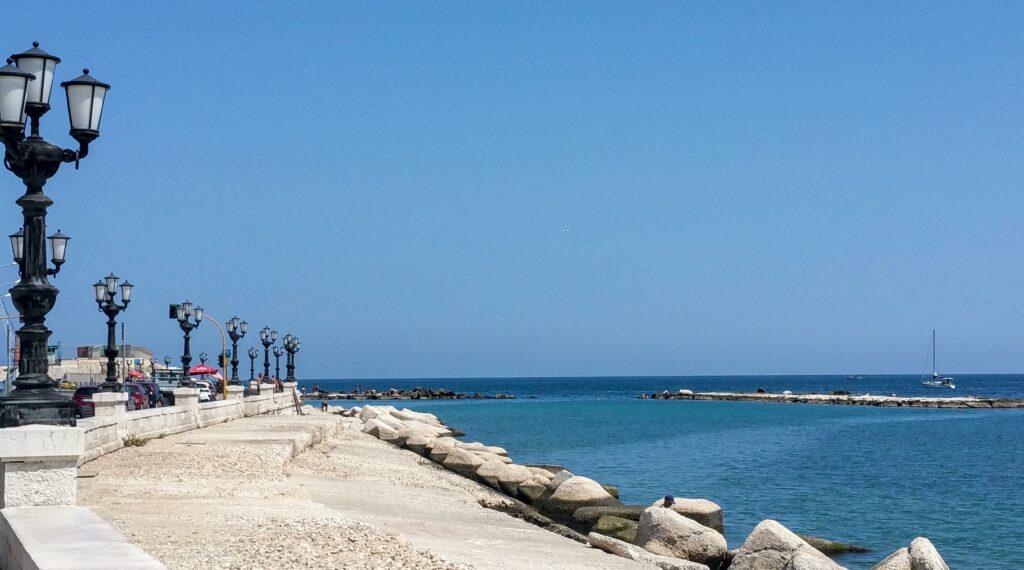
The passeggiata, an early evening stroll, isn’t about arriving somewhere but about simply being—outdoors, among neighbors, savoring the moment. It’s democracy in motion: young couples walk arm in arm alongside elderly friends, children weave between adults, and dogs lead their humans in lazy circles. No one hurries. Everyone sees and is seen. The piazza becomes a living room, the street a stage for the quiet drama of community life. The most memorable passeggiata I have both witnessed and been part of, was on the lungomare, the seafront in Bari : kilometers of sidewalk along the beach, that just a few hours back were deserted under the scorching sun, became alive with hundreds of people who came in search of the breeze after sundown. Some were walking, others had brought camping chairs and were improvising an aperitivo, there was a festive yet down to earth atmosphere that felt almost out of fashion, but in the most charming way.
Speaking of the aperitivo, this is more than a drink; it’s a transition, a way to mark the space between work and rest with conversation and clinking glasses. Picture the ritual: small plates of olives and cheese appear as if by magic, conversations flow like wine, and the day’s tensions dissolve in golden hour light. It’s meditation disguised as socializing, therapy hidden in a glass of Aperol. Contrary to the more modern concept of Happy Hour, aperitivo is not so focused on the idea of alcohol – even if alcohol is usually implied, in a country with so many delicious options. Still, the role of that drink, be it a simple bottle of Birra Moretti or a fashionable Hugo Spritz, is the same as that of the food : to experience the pleasure of taste, instead of getting numb in order to forget.
And then there is the most poetic of all: il dolce far niente—the sweetness of doing nothing. Not as idleness, but as presence. A pause, a breath, a moment to simply exist and enjoy. It’s the art of sitting in a café without checking your phone, of watching clouds drift across terracotta rooftops, of letting your mind wander like a cat in sunlight. This isn’t procrastination; it’s purposeful emptiness, a conscious choice to be rather than do. I’ve written more on the subject just last week in a substack post inspired by Giuseppe Tomasi di Lampedusa and his famous Gattopardo, The Leopard. You can read it here.
3 Books That Capture the Italian Way of Life
If August has you dreaming of Italy, here are three books that will bring its spirit to your reading nook, whether you’re seaside or sofa-bound. Each offers a different lens through which to view la dolce vita—one through the eyes of a newcomer, another through the journey of transformation, and the third through the poetry of language itself.
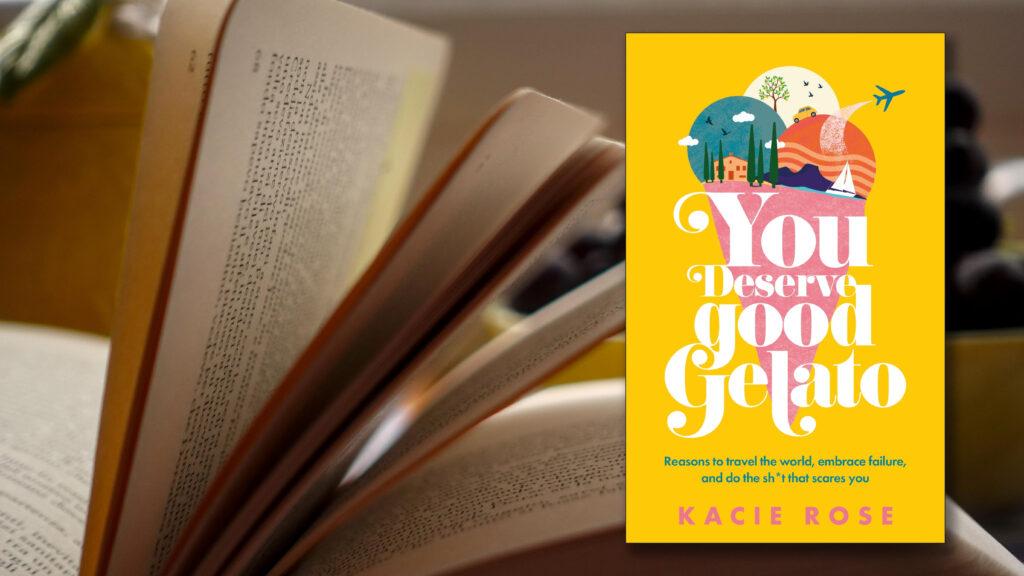
You Deserve Good Gelato by Kacie Rose
Written with humour and heart, this memoir charts one American’s adventure of falling in love with Italy and its people—quirks, chaos, and charm included. I’ve listened to the audiobook read by the author and it has felt like a very light and entertaining autobiography, however there are some deeper thoughts hidden underneath the jokes and good spirit.
Published in 2024, this touches on the pandemic, on the age of social media and its unfiltered aggression hidden behind anonymity, about the struggles of starting over in a new career and a new country. Yet it also breathes the joy of discovery, the beauty of authentic human relationships, the love of good food and great company. Rose’s narrative captures something essential about the Italian experience: how a country can simultaneously drive you to distraction and heal your soul.
What makes this memoir particularly resonant is its timing—written in our age of digital overwhelm, it offers Italy as an antidote. Kacie’s reflections on language barriers that become bridges, on culture shock that transforms into culture love, and on slow living that actually accelerates personal growth will make you want to book a ticket—or at least seek out the nearest gelateria. It’s a well-rounded reflection on life, anchored in the inspiring scenery of Italy, reminding us that sometimes the best adventures begin with the courage to say yes to gelato.
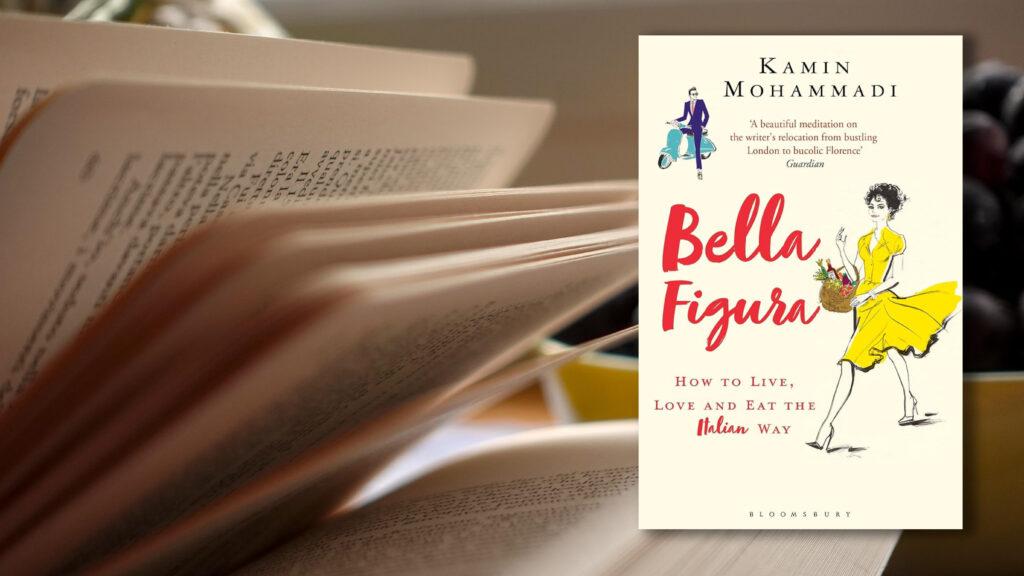
Bella Figura by Kamin Mohammadi
A transformative year in Florence teaches the author not just about Italian fashion and food, but about reclaiming pleasure, sensuality, and presence. A love letter to beauty in all its forms, this book reads like a permission slip to live more generously—with yourself and with the world.
This isn’t the first time I recommend this book; it’s a memorable read for me since it made me reflect on my own journey of changing countries, of adapting to a different culture and admiring a lifestyle that felt like home. Mohammadi’s Florence becomes a character in itself—a city that doesn’t just allow transformation but demands it, gently but insistently.
I particularly love how Kamin Mohammadi took an expression translated everywhere as “to dress well in order to make a good impression” and made it about the self. How outside appearances should matter firstly for ourselves, as an expression of our balanced, joyful existence. Bella figura, in her hands, becomes less about impressing others and more about honoring yourself—choosing the beautiful scarf not for them but for you, taking time with your appearance not from vanity but from self-respect. This is a reminder to look yourself in the mirror and give yourself a compliment, as an Italian would do! It’s about understanding that caring for your outer self is one way of caring for your inner self, that beauty and depth need not be opposing forces.
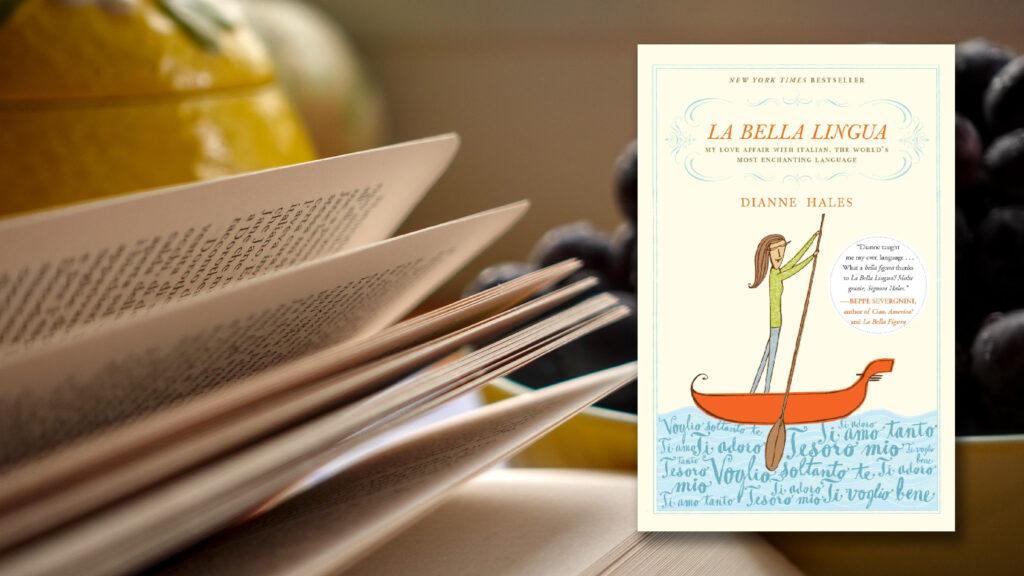
La Bella Lingua: My Love Affair with Italian, the World’s Most Enchanting Language by Dianne Hales
This book is a beautifully researched and heartfelt exploration of the Italian language—its origins, poetry, quirks, and seductive rhythm. But it’s also much more than a linguistic study. It’s a story of falling in love—first with words, then with a culture, and ultimately with a way of seeing the world.
Reading La Bella Lingua is like sitting beside someone who notices the soul of things. Dianne Hales brings warmth, curiosity, and reverence to every chapter, making you appreciate the connection between language and identity, how the words we choose can shape how we experience beauty, history, and even love. She reveals how Italian doesn’t just describe emotions—it embodies them, how “ti amo” carries different weight than “I love you,” how “bello” encompasses not just beauty but goodness, rightness, the very essence of things as they should be.
What I particularly cherish in this book is the deep, unhurried affection it expresses—not only for Italy, but for learning itself. Hales understands that language study is soul study, that each new word learned is a new way of being in the world. For anyone who has ever tried to speak another language and found, in the process, a new version of themselves, this book will resonate. It’s a quiet celebration of passion, perseverance, and the poetry of everyday life—tutto in italiano. Through her journey, we see how falling in love with Italian means falling in love with the Italian way of experiencing life: more expressive, more sensual, more attuned to beauty in all its forms.
How to Bring a Little Dolce Vita into Everyday Life
What if August weren’t the exception but the inspiration? What if we borrowed from the Italian lifestyle not only when on vacation, but in how we move through our daily lives? The beauty of la dolce vita is that it’s not about grand gestures or expensive transformations—it’s about small shifts in attention, tiny rebellions against the tyranny of constant doing.
Consider the Italian approach to time itself. While we often think of time as something to fill, Italians understand it as something to inhabit. They create pockets of pleasure within the mundane: the morning coffee savored standing at the bar, the evening aperitivo that stretches work into leisure, the Sunday lunch that becomes an event worthy of the week’s best stories.
A few ideas for daily dolce vita:
- Let a walk be an event, not just a means to an end. Notice the way light falls across buildings, greet the neighbors’ cat, allow yourself to be curious about the details of your own neighborhood. The passeggiata isn’t about distance covered but presence cultivated.
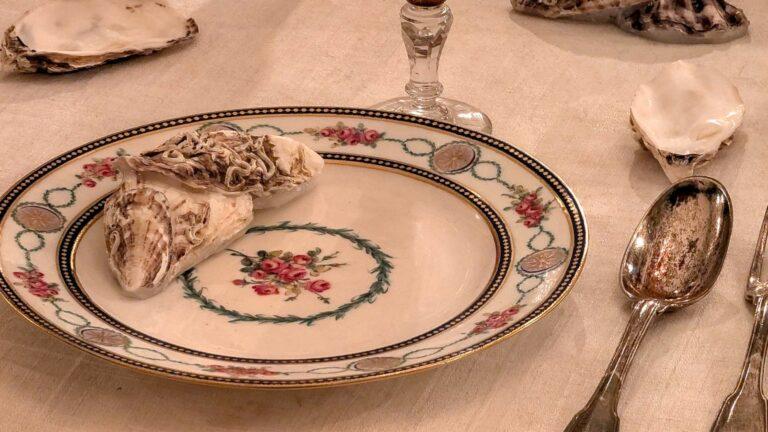
- Make your meals a ritual, even if it’s just breakfast with real linen and music. Set the table as if expecting someone you love—because you are. Light a candle for lunch, use the good plates for Tuesday’s dinner, let the act of nourishing yourself become an act of celebration.
- Prioritize pleasure alongside productivity. This might mean taking a true lunch break, adding fresh flowers to your workspace, or allowing yourself fifteen minutes to read poetry between tasks. Pleasure isn’t frivolity; it’s fuel for a life well-lived.
- Celebrate beauty without apology. Wear the dress that makes you feel radiant to the grocery store. Buy the expensive olives. Stop to admire the way morning light transforms your kitchen into a Vermeer painting. Beauty is not earned through suffering—it’s a gift we give ourselves daily.
- Create transitions between the parts of your day. Like the Italian aperitivo, find ways to mark the movement from work to rest, from solitude to company, from effort to ease. It might be five minutes of stretching, a cup of tea sipped in silence, or simply stepping outside to breathe deeply and reset.
And above all, make space for delight—in August, and all year long. Because perhaps the greatest lesson from Italian culture is this: joy is not something that happens to us, but something we actively cultivate, protect, and share. It’s the understanding that life’s sweetness is not a reward for good behavior but the very point of the endeavor—la dolce vita, lived one beautiful moment at a time.
Until next time, enjoy your reading and your every day dolce vita !

Written by Alexandra Poppy
Writer, reader & curator of The Ritual of Reading
I’m Alexandra, the voice behind The Ritual of Reading. Somewhere between a stack of novels and a half-finished pot of tea, I keep finding traces of the life I want to live—slower, richer, filled with stories. The Ritual of Reading is where I gather what I love: books that linger, places with a past, and rituals that make ordinary days feel a little more meaningful. I write from Paris, where elegant bookshops and old-fashioned cafés offer endless inspiration—and I share it here, hoping it brings a spark to your own days, too.